Do Pontiac Exhaust Manifolds Glow Red Hot? Essential!
The short answer is yes, under certain conditions, Pontiac exhaust manifolds can glow red hot, especially during hard driving or performance use. This glow is usually due to operating temperatures exceeding 1,000°F. Normal street driving rarely causes this, but aggressive driving or engine tuning issues are the main culprits. We will explain when this happens and why it matters for your Pontiac.
Do Pontiac Exhaust Manifolds Glow Red Hot? Essential Guide for Every Owner
Hello there! I’m Monowar Shohag, your friend in automotive care. If you own a Pontiac, you’ve probably wondered about those big, heavy iron parts sitting right where the engine meets the exhaust pipe—the exhaust manifold. A common, and sometimes alarming, question is: “Do Pontiac exhaust manifolds glow red hot?”
Seeing a red glow from under your hood is definitely scary! The good news is that exhaust components are designed to handle extreme heat. However, a bright red glow often signals something beyond normal operation. We are here to cut through the confusion and give you clear, simple answers. You don’t need a giant repair manual to understand your car. Stick with me, and we’ll explore exactly why this happens, when it’s safe, and when you need to take action. Let’s get your Pontiac running right and put your mind at ease!
Understanding the Exhaust Manifold: What It Is and Why It Gets Hot
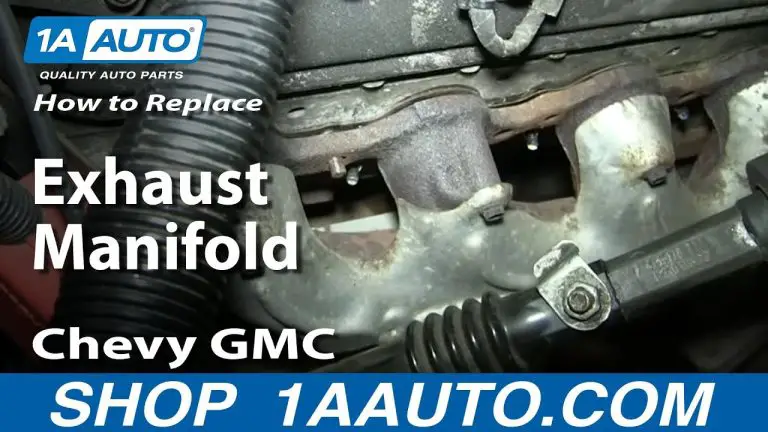
Before we talk about a red glow, let’s quickly review what the exhaust manifold does. Think of it as the first funnel for the hot, burnt air (exhaust gases) leaving your engine’s cylinders. Its main job is to collect these gases from each cylinder and route them neatly into a single pipe, which then leads to the rest of your exhaust system.
Because it sits directly next to your fiery engine, the manifold gets incredibly hot. It’s managing hundreds, sometimes thousands, of degrees Fahrenheit!
The Science of the Glow: Temperature and Color
The color of hot metal is directly related to its temperature. This is a simple physical concept that helps us diagnose potential issues. You might think all hot metal looks the same, but the color actually tells a story:
- Dull Red (Around 900–1,000°F): This is the color you might occasionally see after very spirited driving, especially on heavily turbocharged engines, but it’s often invisible in daylight.
- Bright Cherry Red (Around 1,200–1,500°F): This is a clear warning sign. If you see this color, the engine is running much hotter than ideal, often due to tuning problems.
- Orange/Yellow (1,800°F+): If the manifold is glowing this bright, you are experiencing serious, potentially engine-damaging overheating or major tuning issues.
For most standard Pontiac V8 engines (like those found in older GTOs or Firebirds), normal operating temperatures are high, but they usually don’t reach the visible heat spectrum unless something is malfunctioning or modified.
When Do Pontiac Exhaust Manifolds Glow Red Hot?
It is rare for a stock, well-maintained Pontiac engine to cause its cast-iron exhaust manifolds to glow bright red during normal city driving. However, there are specific scenarios where radiant heat becomes visible.
Scenario 1: High-Performance Driving and Track Use
This is the most common reason you might see a glow, especially on performance-focused Pontiac engines (think high-compression V8s, modified applications, or vehicles driven very hard).
When you constantly demand maximum power—like a long session on a racetrack or towing a heavy load up a steep mountain pass for an extended period—the engine burns fuel very rapidly. This dumps a huge volume of extremely hot gases through the manifold very quickly. If the metal can’t shed that heat fast enough, it will start to radiate visible light.
If you have aftermarket headers (which are thinner than stock manifolds) and drive hard, they will glow sooner and brighter than the thick factory cast-iron units.
Scenario 2: Engine Tuning Issues (The Danger Zone)
This situation is far more concerning than track heat. If your manifold glows red hot during normal driving, it usually means your engine is running “lean.”
What is running lean? Simply put, your engine is getting too much air and not enough fuel. When the fuel/air mixture ignites, the lack of fuel means the combustion temperature spikes dramatically because the fuel usually acts a bit like coolant inside the cylinder. These excessive temperatures head straight out the exhaust port.
This is critical because extremely high exhaust temperatures can rapidly destroy vital components, including catalytic converters, oxygen sensors, and even the engine itself (piston damage). If your stock manifold glows during regular cruising, stop driving and check the engine immediately.
Scenario 3: Exhaust Leaks and Heat Soak (Less Common)
While less likely to cause a bright glow, a significant exhaust leak near the manifold flange can sometimes cause localized heating issues. More often, though, internal engine issues are the primary cause for visible manifold heat.
Differentiating Stock Manifolds vs. Aftermarket Headers
Pontiac engines have used different exhaust outlets over the years. Understanding the difference between heavy cast iron manifolds and lighter tubular headers is important in understanding heat radiation.
| Feature | Stock Cast Iron Manifold | Aftermarket Tubular Headers |
|---|---|---|
| Material Thickness | Very thick and heavy. | Thinner stainless steel or mild steel tubing. |
| Heat Retention | Holds heat well; slower to heat up and cool down. | Heats up and sheds heat faster. |
| Glow Tendency | Requires extreme, prolonged heat to glow visibly. | Can show a dull glow more easily under high load due to thinner metal. |
| Primary Use | Durability and quiet operation. | Performance and maximizing exhaust flow. |
Troubleshooting: Why Is My Pontiac Exhaust Getting Too Hot?
If you suspect your exhaust system is operating hotter than it should—or if you are seeing a dull red glow when you shouldn’t be—follow these steps. We need to find out if the heat is coming from performance demand or a mechanical problem.
Step 1: Check Engine Performance Gauges
First, check the dashboard. Does the engine temperature gauge show overheating? If your standard coolant gauge is normal, the issue is likely localized to the exhaust gas temperature, not the engine coolant temperature.
If you have performance gauges (common on heavily modified Pontiacs), look at the Air/Fuel Ratio (AFR) gauge. A reading consistently above 13.0:1 (for naturally aspirated engines) or higher indicates a lean condition.
Step 2: Inspect for Tuning Issues
A lean running condition is the number one cause of excessive exhaust heat. Addressing this usually requires professional help, but understanding the root causes is key:
Common Lean Causes:
- Vacuum Leaks: Air enters the intake system after the Mass Airflow Sensor (MAF), meaning the computer doesn’t know to add extra fuel. Common leak spots include old intake manifold gaskets or cracked vacuum lines.
- Fuel Delivery Problems: A weak fuel pump, clogged fuel filter, or failing fuel injectors cannot push enough gasoline into the cylinders to match the incoming air.
- Incorrect Computer Tuning: If the engine control unit (ECU) calibration is set too aggressively for the amount of fuel being delivered, the mixture will always be lean.
For more on ensuring correct engine tuning and fuel delivery, resources like the SAE International publications often detail the combustion dynamics that lead to high exhaust temperatures.
Step 3: Examine Exhaust System Integrity
While leaks don’t usually cause the glow themselves, they can mask other issues or point to component stress. Check:
- Flange Leaks: Look for black soot marks around the manifold-to-downpipe connection. A leak means pressure and heat might be escaping unevenly.
- Oxygen Sensor Function: If an O2 sensor is faulty, it sends bad data to the computer, causing it to improperly adjust the fuel mixture, thus leading to lean or rich conditions that stress the exhaust.
Step 4: Evaluate Driving Habits
If your Pontiac is a classic muscle car or a naturally aspirated performance engine, remind yourself of the driving context. Are you sitting in stop-and-go traffic on a hot day, immediately followed by wide-open throttle runs? This rapid cycling puts immense thermal stress on the metal.
Safety First: What to Do If You See a Red Glow
A glowing exhaust manifold is a warning, not a feature. Here is the immediate procedure to follow:
- Reduce Load Immediately: If you are accelerating hard, let off the gas pedal slowly. If possible, shift to a lower gear if you are running high RPMs unnecessarily, or simply pull over if you are worried about overheating.
- Do Not Ignore It: Never assume it will just go away if the car is otherwise idling fine. The components are currently operating outside their established safe limits.
- Check Coolant: If the engine temperature gauge is high, pull over safely, shut the engine off, and let it cool completely before checking the coolant level in the radiator overflow tank. Never open a hot radiator cap.
- Seek Professional Diagnosis: If the glow persists after a cool-down and brief, unloaded run, you need a mechanic to check the Air/Fuel Ratio monitoring system and fuel delivery components immediately.
The Physics of Heat Transfer in Exhaust Systems
Why does the manifold glow, but the catalytic converter doesn’t always glow as brightly, even though it runs hotter? It comes down to the physics of heat retention and the nature of the heat source.
Manifold Heat vs. Converter Heat
The exhaust manifold deals with the initial, raw heat of combustion. The gases hit it first. Headers and manifolds are heavy metal, which absorbs and radiates this heat.
The catalytic converter is designed to initiate a chemical reaction (cleaning the emissions). This reaction itself generates massive heat—often exceeding 1,500°F, which is why they are notorious for glowing. However, if your manifold is glowing, the core issue is upstream (before the gases even reach the converter).
For context on the temperatures that materials withstand, organizations like the National Institute of Standards and Technology (NIST) provide standards for material science concerning high-temperature applications.
Impact of Material on Heat Dissipation
Thicker, heavier cast iron manifolds wick heat away slower, requiring sustained, intense heat to become visibly incandescent. Thinner, tubular steel headers have less thermal mass; they absorb the heat pulse quickly but might also lose it to the air faster, though they appear bright sooner under stress.
Can I Prevent My Manifolds from Glowing?
Prevention is always better than cure in the world of high-performance engines. If you own a high-mileage Pontiac or one that sees occasional spirited use, these steps help keep temperatures in check:
Maintenance Checklist for Cooler Exhausts:
- Regular Oil Changes: Fresh, correct-viscosity oil helps the engine circulate coolant more effectively and reduces internal friction, lowering overall operating temperature.
- Tune-Ups: Never skip spark plug changes or inspecting ignition timing controls. Poor sparking leads to unburnt fuel entering the exhaust, which then burns in the manifold—a major heat source!
- Verify Fuel Pressure: Have a trusted shop verify that your fuel pump is maintaining consistent pressure across all RPM ranges.
- Monitor Sensors: Ensure your upstream (pre-catalyst) oxygen sensors are reading accurately. These are your engine’s eyes for fuel mixture control.
The following table summarizes common causes and recommended actions:
| Observed Condition | Likely Root Cause | Immediate Action Required |
|---|---|---|
| Dull glow only after heavy track use. | Extreme, sustained performance demand. | Allow adequate cool-down time between sprints. |
| Bright glow during normal highway cruising. | Severe engine running lean (too much air/not enough fuel). | Pull over safely, shut off the engine, and diagnose fuel/air delivery. |
| Manifold looks warped or cracked after glowing. | Excessive, prolonged thermal stress. | Replace manifold/headers; heavily inspect the engine tune. |
Frequently Asked Questions (FAQ) for Pontiac Exhaust Care
Q1: Is it normal for my Pontiac GTO’s manifolds to glow slightly after drag racing?
A: Yes, it is quite common for performance manifolds or headers to show a dull red sheen after being subjected to the extreme, sustained high RPM and high load of drag racing or track days. This means they got very hot, but if it fades quickly when cooling down, the engine tuning is likely acceptable for performance use.
Q2: How hot does a manifold need to be to glow red?
A: A cast-iron or steel surface generally needs to reach between 900 to 1,000 degrees Fahrenheit (about 480 to 540 degrees Celsius) before it starts to emit a visible, dull red glow in dim light.
Q3: If my manifold is glowing, will it hurt my engine instantly?
A: If the glow is due to general high-load use, the engine damage is minimal in the short term. However, if the glow is due to a severe LEAN condition (too lean mixture), yes, it can cause severe, instantaneous damage like melting pistons or burning exhaust valves.
Q4: Should I paint my manifold with high-temperature paint to hide the glow?
A: Painting a manifold with high-temp paint (rated typically up to 1,400°F) might mask the glow, but it does not solve the underlying heat issue. Proper heat management comes from correct engine tuning and ensuring the metal is not stressed beyond its normal limits.
Q5: Could a broken exhaust manifold gasket cause the glow I am seeing?
A: A broken gasket usually results in an audible exhaust leak (a puffing sound) and potentially soot buildup, but it rarely causes the metal itself to glow red, unless the leak is so severe that it’s directly exposing the surrounding engine bay components to concentrated flame or extreme heat pulses.
Q6: Is it better to have headers or stock manifolds if I plan spirited driving?
A: Stock cast-iron manifolds are thicker and more durable under extreme, sustained heat cycles. Headers flow better for power but are thinner and might glow sooner during hard use, though they also cool down faster than heavy iron.
Conclusion: Keeping Your Pontiac Pipes Cool and Safe
When dealing with any part of your Pontiac’s exhaust system, remember that heat is the enemy of longevity. We’ve established that yes, Pontiac exhaust manifolds can glow red hot, but this usually happens only under specific, high-stress conditions or when the engine is running poorly.
For the average daily driver, a glowing manifold is a giant red flag signaling a crucial need for a tune-up, specifically looking at air and fuel balance. If performance driving is your game, understand that glowing during a hard session is a trade-off for power, provided the engine sensors confirm your Air/Fuel ratio is safe.
Don’t let confusing automotive science stress you out. By paying attention to how and when the glow appears—and, more importantly, by ensuring your classic or modern Pontiac remains properly fueled and tuned—you can confidently maintain one of the essential, hottest parts of your powerful engine. Keep checking those gauges, perform regular maintenance, and enjoy the ride safely!