
Do Cat-Back Exhaust Systems Increase Power and Torque?
Hey there! If you’re wondering, do Cat-Back exhaust systems increase power and torque, I’ve got you covered. As someone who’s spent countless hours tinkering with cars and diving into the world of exhaust systems, I’m excited to share what I’ve learned. A Cat-Back exhaust can indeed boost your car’s performance, but it’s not a magic fix. Let’s explore how it works, what you can expect, and whether it’s worth it for your ride. Stick with me, and I’ll break it all down in a way that’s easy to understand.
What Is a Cat-Back Exhaust System?
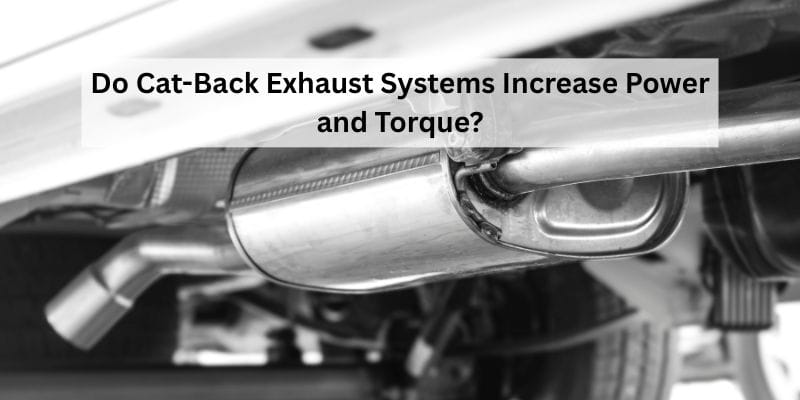
Let’s start with the basics. A Cat-Back exhaust system refers to everything in your car’s exhaust setup from the catalytic converter to the tailpipe. This includes the muffler, resonators, and connecting pipes. Unlike a full exhaust system, which might replace everything from the engine’s exhaust manifold, a Cat-Back focuses on the “back” half. I remember the first time I swapped out a stock exhaust for a Cat-Back on my old Mustang. The sound was incredible, but I was curious about the performance gains. That’s what we’re diving into today.
The stock exhaust on most cars is designed for efficiency, cost, and emissions compliance. It’s not always built for maximum performance. A Cat-Back exhaust uses larger diameter pipes, smoother bends, and less restrictive mufflers. This allows exhaust gases to flow more freely. Better flow can mean more power and torque, but the gains depend on your car and setup. Let’s dig deeper into how this happens.
How Cat-Back Exhausts Affect Power and Torque
So, how does a Cat-Back exhaust actually increase power and torque? It’s all about reducing backpressure. Backpressure is the resistance exhaust gases face as they exit your engine. Stock exhausts often have restrictive pipes and mufflers to keep things quiet and meet regulations. When I upgraded my car’s exhaust, I noticed the engine seemed to “breathe” better. That’s because a Cat-Back reduces restrictions, letting exhaust gases escape faster.
When exhaust flows more freely, your engine doesn’t have to work as hard to push out those gases. This efficiency can translate to more horsepower and torque. For example, on a naturally aspirated engine, you might see gains of 5-15 horsepower and similar torque increases. Turbocharged cars can see slightly higher gains, sometimes up to 20 horsepower, because turbos rely heavily on exhaust flow. But don’t expect miracles. The gains are modest unless you pair the Cat-Back with other mods like a cold air intake or a tune.
Here’s a quick table to show typical power and torque gains:
| Vehicle Type | Typical Horsepower Gain | Typical Torque Gain |
|---|---|---|
| Naturally Aspirated | 5-15 HP | 5-15 lb-ft |
| Turbocharged | 10-20 HP | 10-20 lb-ft |
| High-Performance (Tuned) | 15-25 HP | 15-25 lb-ft |
These numbers are rough estimates. Your results depend on your car’s make, model, and other modifications. I’ve seen friends get excited about a Cat-Back only to be disappointed when the gains weren’t huge. That’s why understanding your car’s setup is key.
Key Components of a Cat-Back Exhaust
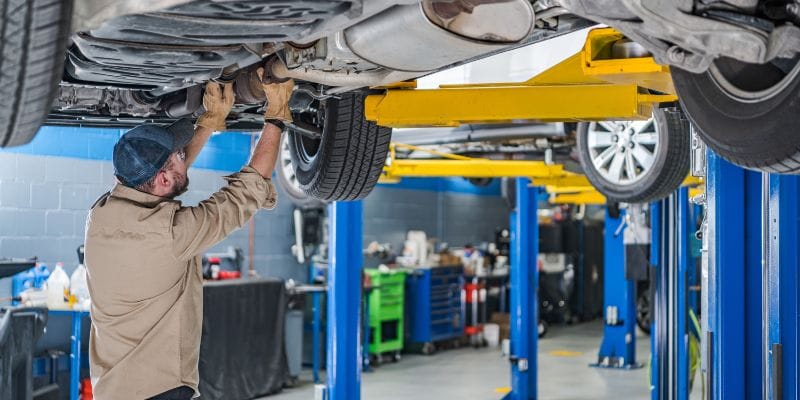
To really get why a Cat-Back exhaust can boost performance, let’s break down its parts. Each component plays a role in improving flow and sound. When I installed my first Cat-Back, I was amazed at how each piece worked together to change the car’s feel.
- Pipes: Cat-Back systems use larger, mandrel-bent pipes. These have smooth curves, unlike stock pipes with crimped bends. Smoother pipes mean less turbulence and better flow. I could feel the difference in throttle response after swapping to mandrel-bent pipes.
- Mufflers: The muffler in a Cat-Back is less restrictive than stock. It’s designed to reduce backpressure while controlling sound. Some mufflers, like straight-through designs, prioritize flow over noise reduction. That’s why Cat-Backs often sound louder and deeper.
- Resonators: These help tune the exhaust note. They can also reduce drone, that annoying hum you get at certain RPMs. I learned this the hard way when my first Cat-Back droned on the highway. Choosing a system with a good resonator fixed that.
- Tailpipes: These are mostly for looks, but they can affect sound. Bigger or dual tailpipes give that aggressive, sporty vibe. I love how my car’s polished tips look at car meets.
Each part works together to improve exhaust flow, which can lead to those power and torque gains we’re chasing.
Benefits Beyond Power and Torque
A Cat-Back exhaust isn’t just about numbers. There are other perks that make it a popular upgrade. When I first installed mine, I was thrilled with more than just the performance boost.
- Improved Sound: A Cat-Back gives your car a deeper, throatier exhaust note. It’s like giving your car a new voice. I still smile every time I start my car and hear that rumble.
- Better Aesthetics: Polished stainless steel tips or dual exhausts make your car look sharper. I’ve had strangers compliment my car’s rear end just because of the exhaust tips.
- Weight Savings: Many Cat-Back systems are lighter than stock. My system shaved about 10 pounds off my car. Less weight can help with acceleration and handling.
- Durability: Most Cat-Backs are made from stainless steel or aluminized steel. They resist rust better than stock exhausts. My system’s been through rain and snow and still looks great.
These benefits make a Cat-Back a well-rounded upgrade, even if the power gains aren’t massive.
Limitations of Cat-Back Exhausts
I’ll be honest—Cat-Back exhausts aren’t a silver bullet. They have limits, and I’ve seen people expect too much. When I was researching my first upgrade, I thought I’d get 50 horsepower. That didn’t happen. Here’s what you need to know.
- Modest Gains: As I mentioned, power and torque increases are usually small. If your car’s stock exhaust is already efficient, you might only see 2-5 horsepower. My buddy’s Civic barely gained anything because his stock system was pretty good.
- Tuning Needed: To maximize gains, you often need a tune. A Cat-Back alone won’t unlock your engine’s full potential. I got a custom tune after installing mine, and it made a noticeable difference.
- Noise Levels: Some Cat-Backs are loud. Too loud for some folks. If you drive long distances, drone can be a headache. I had to swap mufflers on one system because it was too much for daily driving.
- Cost: Quality Cat-Back systems aren’t cheap. Expect to spend $500-$1500, depending on the brand and material. I saved up for months to afford a premium system, but it was worth it.
Understanding these limits helps set realistic expectations. A Cat-Back is a great start, but it’s not a full-on race car upgrade.
Pairing a Cat-Back with Other Mods
If you want to squeeze more power and torque out of your Cat-Back, consider other mods. I learned this after experimenting with my car. A Cat-Back shines when paired with upgrades that complement it.
- Cold Air Intake: This lets your engine breathe better from the intake side. I added one to my car, and the combo with the Cat-Back gave me a solid 20 horsepower boost after a tune.
- ECU Tune: A custom tune optimizes your engine for the Cat-Back. It adjusts air-fuel ratios and timing. My tune made the car feel snappier, especially in the mid-range.
- Headers: Upgrading your exhaust headers can increase flow even more. This is pricier and more complex, but I’ve seen it add another 10-15 horsepower on some cars.
- Turbo or Supercharger: If your car’s boosted, a Cat-Back can amplify gains. Turbos love free-flowing exhausts. A friend with a turbo Subaru saw nearly 25 horsepower after his Cat-Back install.
When I combined my Cat-Back with a cold air intake and tune, the car felt transformed. It’s like the engine was finally free to do its thing.
Choosing the Right Cat-Back for Your Car
Not all Cat-Back exhausts are created equal. Picking the right one depends on your car and goals. I spent weeks researching before buying mine, and here’s what I learned.
- Material: Stainless steel is durable and resists rust. Aluminized steel is cheaper but less durable. I went with stainless for longevity.
- Brand: Trusted brands like Borla, MagnaFlow, and Flowmaster offer quality. I’ve used Borla on my car, and the sound is perfect—aggressive but not obnoxious.
- Sound Preference: Some systems are loud, others are subtle. Listen to sound clips online. I made the mistake of buying a loud system once and regretted it on long drives.
- Fitment: Make sure the Cat-Back is designed for your car’s make and model. A universal system might not fit right. I double-checked fitment before ordering to avoid headaches.
- Budget: Set a budget and stick to it. I found great mid-range systems around $800 that balanced performance and sound.
Take your time choosing. A good Cat-Back can transform your driving experience, but a bad one can be a noisy, expensive mistake.
Installation and Maintenance Tips
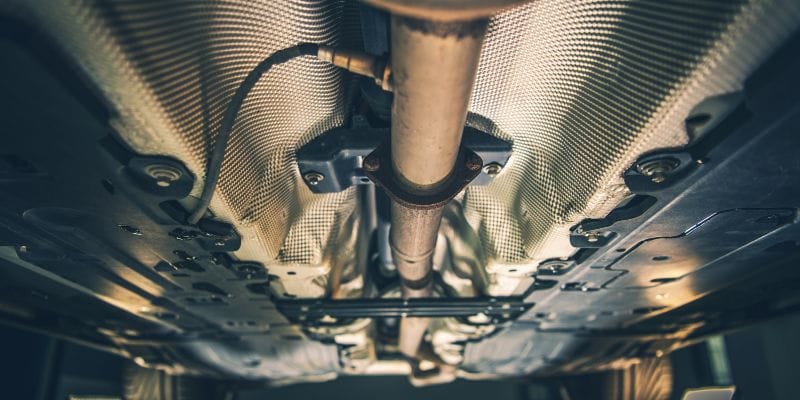
Installing a Cat-Back exhaust isn’t too tough if you’ve got some wrenching skills. I did mine in my garage with basic tools, but here’s what you should know.
- DIY or Pro: If you’re handy, you can install it yourself. It took me about 3 hours. You’ll need a jack, stands, and basic tools. If you’re not confident, a shop can do it for $100-$200.
- Check for Leaks: After installation, check for exhaust leaks. I had a small leak once because I didn’t tighten a clamp enough. A quick fix solved it.
- Maintenance: Cat-Backs are low-maintenance. Clean the tips regularly to keep them shiny. I use a metal polish every few months. Also, inspect for rust or loose bolts.
- Emissions: Cat-Back systems are usually emissions-legal since they don’t touch the catalytic converter. Still, check your local laws. I had no issues passing emissions in my state.
Proper installation and care keep your Cat-Back performing and looking great for years.
Is a Cat-Back Exhaust Worth It?
So, is a Cat-Back exhaust worth the money? For me, absolutely. The modest power and torque gains, combined with the awesome sound and sleek looks, made it a no-brainer. But it depends on your goals. If you want huge performance gains, you’ll need more mods. If you love a better exhaust note and a sportier vibe, a Cat-Back is perfect.
I still remember the first drive after installing mine. The rumble, the improved throttle response—it felt like a new car. Even if the horsepower bump was small, the overall experience was worth every penny.
Conclusion
Exploring whether Cat-Back exhaust systems increase power and torque has been a fun journey for me. They do boost power and torque, typically by 5-20 horsepower, depending on your car and setup. But the real magic is in the total package—better sound, sharper looks, and a more engaging drive. Whether you’re a gearhead chasing every bit of performance or just want your car to sound meaner, a Cat-Back is a solid upgrade. Pair it with a tune or intake for even better results. If you’re on the fence, I say go for it. It’s one of the best mods I’ve done, and I bet you’ll love it too. Got questions? Check out the FAQs below or hit me up with your thoughts!
FAQs
Does a Cat-Back Exhaust Void My Warranty?
No, a Cat-Back exhaust usually doesn’t void your car’s warranty. It’s an aftermarket part that doesn’t affect the engine or emissions system directly. I’ve installed Cat-Backs on two cars and never had warranty issues. However, always check with your dealer, as some might be picky about modifications.
Will a Cat-Back Exhaust Make My Car Too Loud?
It depends on the system. Some Cat-Back exhausts are loud and aggressive, while others are subtle. I once picked a loud system and got tired of the drone on highways. Listen to sound clips before buying, and choose one with a resonator if you want a milder tone.
Do I Need a Tune After Installing a Cat-Back?
You don’t always need a tune, but it helps. A Cat-Back alone gives small gains, but a tune can optimize your engine for the new exhaust flow. When I got a tune after my Cat-Back, the car felt much livelier. If you’re chasing max power, a tune is worth it.
Are Cat-Back Exhausts Legal?
Yes, most Cat-Back exhausts are legal since they don’t remove the catalytic converter. I’ve passed emissions tests with mine without issues. However, local noise laws vary, so check your area’s regulations. Some places are strict about loud exhausts.
How Long Does a Cat-Back Exhaust Last?
A quality Cat-Back exhaust can last 5-10 years or more, especially if it’s stainless steel. Mine’s been on for 4 years and still looks and sounds great. Regular cleaning and checking for loose bolts keep it in top shape.


