Can Exhaustion Cause Sore Throat: Proven Relief
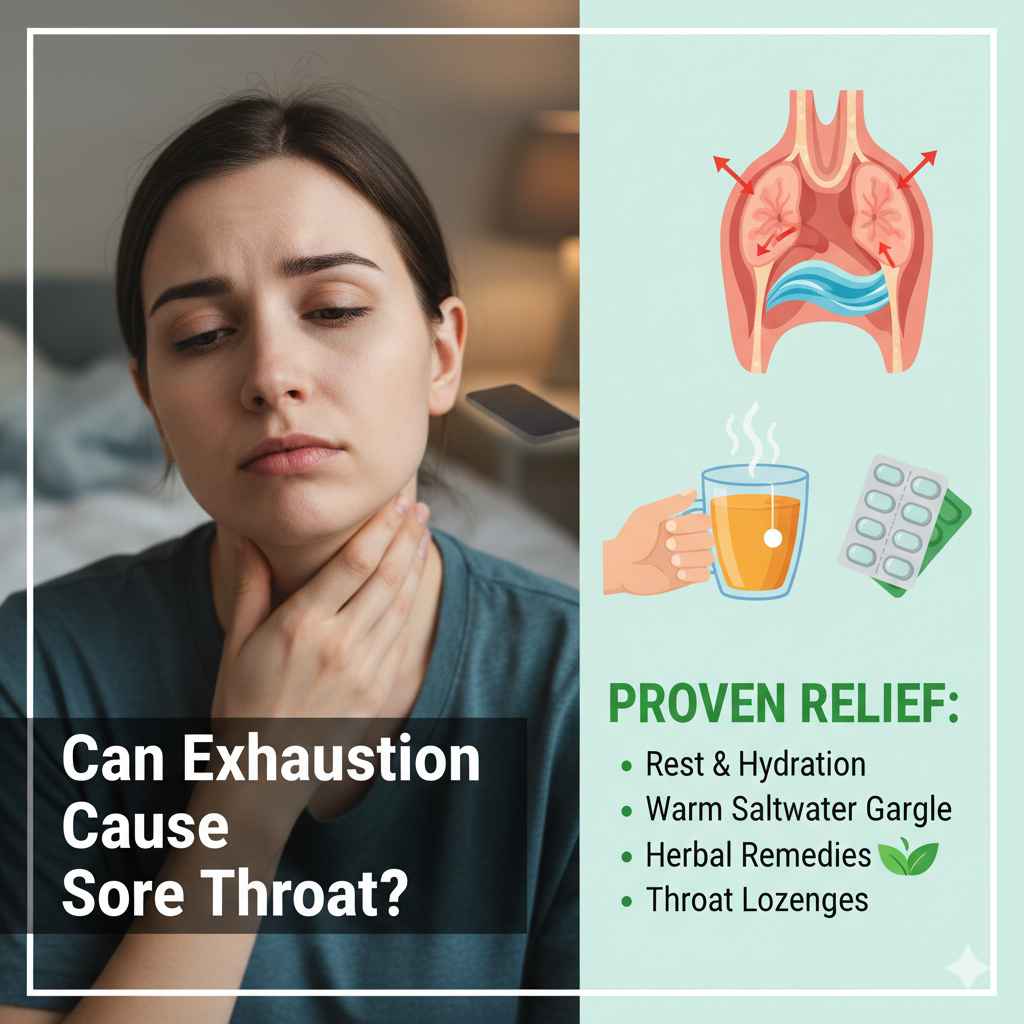
Yes, extreme exhaustion can absolutely lead to a sore throat. When your body is severely tired, your immune system weakens, making you more susceptible to irritants and infections that cause throat pain. Addressing exhaustion through rest and self-care is key to finding relief.
Feeling utterly drained and noticing a scratchy, sore throat? You’re not alone! It’s frustrating when your body seems to be sending you conflicting signals, making you feel unwell in more ways than one. This common combination of exhaustion and a sore throat can really throw a wrench in your day. But don’t worry, understanding why this happens is the first step to feeling better. We’ll explore the connection between being worn out and that uncomfortable throat, and then we’ll dive into practical, easy ways to get that soreness to disappear and boost your energy. Get ready to feel like yourself again!
Understanding the Link: Exhaustion and Your Sore Throat
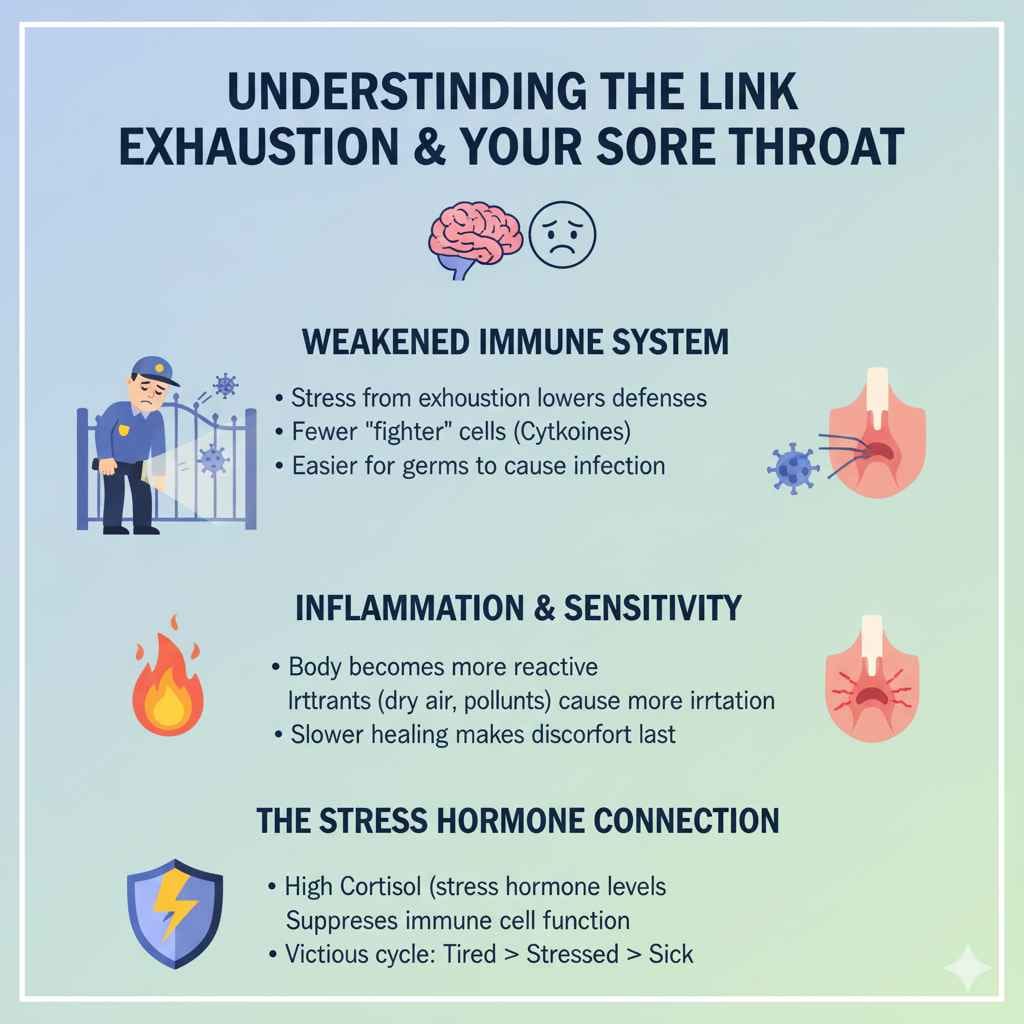
It might seem strange that simply being tired could lead to a sore throat. However, there’s a very direct scientific connection. When you’re exhausted, your body is under stress. This stress can wreak havoc on your immune system, making it a weaker defense against germs and irritants.
Think of your immune system like a security guard for your body. When you’re well-rested, this guard is alert and ready to tackle any invaders like viruses and bacteria. But when you’re deeply tired, the guard gets sleepy. They might miss signs of trouble or be less effective at fighting off the bad guys. This makes it easier for pathogens to take hold and cause infections, often starting with symptoms like a sore throat.
Beyond just fighting off germs, exhaustion can also make your body more sensitive. Irritants in the air, like dry air or pollutants, might bother your throat more when you’re run down. Your body’s natural ability to repair itself is also slowed down, which can make minor irritations feel much worse and last longer. So, that scratchy feeling or mild ache can quickly turn into a full-blown sore throat.
How Lack of Sleep Weakens Your Defenses
Sleep is not just downtime; it’s when your body does crucial maintenance and healing. During deep sleep, your body produces and releases cytokines, which are proteins that help fight inflammation and infection. When you don’t get enough quality sleep, your body produces fewer of these vital proteins.
This reduction in immune support leaves you vulnerable. Viruses and bacteria, which are always around us, can find it easier to infect your respiratory system. The throat is a common entry point, and a weakened immune system means these infections can establish themselves more readily, leading to inflammation and pain.
Moreover, studies have shown that sleep deprivation can increase the levels of inflammatory markers in your body. Chronic inflammation can contribute to a whole host of health problems, and a sore throat can be an early symptom of this increased bodily stress and susceptibility.
The Stress Hormone Connection
When you’re exhausted, your body often releases more stress hormones, like cortisol. While stress hormones are useful in short bursts to help you deal with immediate threats, chronically high levels can suppress your immune system. This suppression makes you more prone to getting sick.
Cortisol can interfere with the function of immune cells, making them less effective at fighting off infections. So, the very state of being exhausted can create a cycle where you become more likely to catch a cold or develop an infection that manifests as a sore throat.
Recognizing the Signs: Is It Really Exhaustion?
Before you can effectively treat a sore throat caused by exhaustion, it’s important to be sure that exhaustion is the primary culprit. Sometimes, a sore throat can be the first sign of a developing illness, and it’s crucial to differentiate.
Here are some common signs that point towards exhaustion being a major factor in your sore throat:
- Overwhelming Fatigue: You feel deeply tired, even after sleeping. Rest doesn’t seem to fully recharge you.
- Muscle Aches and Weakness: You might feel generally achy, not just in your throat.
- Difficulty Concentrating: Your mind feels foggy; it’s hard to focus or think clearly.
- Irritability and Mood Swings: You might feel more short-tempered or emotionally sensitive than usual.
- Increased Susceptibility to Illness: You find yourself catching colds or other minor infections more frequently.
- Sore Throat Symptoms: Usually, the sore throat associated with exhaustion is scratchy, mildly painful, and often feels worse when swallowing. It might not be accompanied by a high fever or significant swelling, which are more common with severe infections.
- No Other Flu-like Symptoms: If you don’t have a fever, cough, runny nose, or body aches typical of the flu, exhaustion could be the main driver of your sore throat.
If you’re experiencing a severe sore throat, a fever above 101°F (38.3°C), difficulty breathing, or white patches on your tonsils, it’s important to see a doctor, as these could indicate a more serious infection like strep throat.
Proven Relief Strategies for Exhaustion-Induced Sore Throats
Now that we understand the connection, let’s focus on how to get relief. The best approach tackles both the exhaustion and the sore throat symptoms directly.
1. Prioritize Rest and Sleep
This is the absolute cornerstone of recovery. When your body is screaming for rest, listen to it. Pushing through exhaustion will only prolong your recovery and potentially make your sore throat worse.
Actionable Steps:
- Sleep Schedule: Aim for 7-9 hours of quality sleep per night. Try to go to bed and wake up around the same time each day, even on weekends, to regulate your body’s natural sleep-wake cycle.
- Naps: If a full night’s sleep isn’t immediately possible, short, power naps (20-30 minutes) can help boost alertness and reduce fatigue without interfering with nighttime sleep.
- Create a Sleep Sanctuary: Make your bedroom dark, quiet, and cool. Invest in comfortable bedding.
- Wind-Down Routine: Before bed, avoid screens (phones, TVs, computers) as the blue light can interfere with melatonin production. Instead, try reading a book, taking a warm bath, or gentle stretching.
2. Hydration is Key
Keeping your body hydrated is crucial for immune function and for soothing an irritated throat. Dehydration can make a sore throat feel much worse.
What to Drink:
- Water: The most important fluid. Sip water consistently throughout the day.
- Herbal Teas: Warm (not hot) herbal teas like chamomile, ginger, or peppermint can be very soothing. Add a teaspoon of honey for its natural soothing properties and antibacterial benefits (avoid honey for children under one year old).
- Broth: Warm, clear broths (chicken, vegetable) provide hydration and electrolytes.
- Avoid: Caffeinated drinks and alcohol, as they can dehydrate you. Sugary drinks can sometimes irritate a sore throat.
3. Soothe Your Throat Directly
While addressing the root cause (exhaustion) is vital, you can also provide immediate relief for your sore throat.
- Saltwater Gargle: Mix 1/4 to 1/2 teaspoon of salt in a glass of warm water. Gargle several times a day. This can help reduce swelling and clear mucus.
- Lozenges and Sprays: Over-the-counter throat lozenges or anesthetic throat sprays can offer temporary pain relief. Look for ingredients like menthol or benzocaine.
- Honey: As mentioned, a teaspoon of honey can coat the throat and provide relief. It also has mild antibacterial properties.
- Humidifier: Dry air can aggravate a sore throat. Using a cool-mist humidifier at night can keep your throat moist and comfortable.
4. Nutrition for Recovery
What you eat plays a big role in how your body recovers from fatigue and fights off potential infections. Focus on nutrient-dense foods.
Dietary Recommendations:
- Fruits and Vegetables: Rich in vitamins and antioxidants that support the immune system. Think berries, citrus fruits, leafy greens.
- Lean Proteins: Essential for tissue repair. Include chicken, fish, beans, and lentils.
- Whole Grains: Provide sustained energy. Oats, brown rice, and quinoa are good choices.
- Foods High in Zinc: Zinc is vital for immune cell function. Found in nuts, seeds, whole grains, and lean meats.
It’s also beneficial to understand that certain nutrients are particularly important for immune health. For instance, Vitamin C is well-known for its role in supporting immune function. You can find it in many fruits and vegetables. Similarly, Vitamin D, often obtained from moderate sun exposure and certain foods like fatty fish, is crucial for immune regulation. For more detailed understanding of immune-supporting nutrients, the Office of Dietary Supplements at the National Institutes of Health provides a comprehensive overview.
5. Gentle Movement and Stress Reduction
While intense exercise is not advisable when you’re exhausted, gentle movement can actually help improve circulation and mood, which can indirectly aid recovery. Stress also exacerbates exhaustion, so finding ways to relax is key.
Stress-Relief Techniques:
- Light Walking: A short, gentle walk in nature can be incredibly restorative.
- Stretching or Yoga: Focus on restorative poses that don’t require much exertion.
- Mindfulness and Meditation: Even a few minutes of focused breathing can help calm your nervous system.
- Listen to Music or Podcasts: Engage in activities that help you relax and distract from your discomfort.
- Spend Time in Nature: If possible, some fresh air and natural surroundings can be very healing.
When to Seek Medical Advice
While exhaustion is a common cause of a sore throat, it’s essential to know when to consult a healthcare professional. Some symptoms could indicate a more serious underlying condition that needs prompt medical attention.
See a doctor if you experience any of the following:
- A sore throat that is severe and lasts longer than a week.
- Difficulty breathing or swallowing.
- A high fever (above 101°F or 38.3°C).
- White patches or pus on your tonsils.
- A rash.
- Swollen lymph nodes in your neck.
- Hoarseness that lasts for more than two weeks.
- Blood in your saliva or phlegm.
These symptoms could point to infections like strep throat, tonsillitis, or other conditions that require medical diagnosis and treatment, such as antibiotics.
Preventing Future Exhaustion and Sore Throats
The best way to deal with exhaustion-induced sore throats is to prevent them from happening in the first place. This means making proactive choices to manage your energy levels and support your immune system.
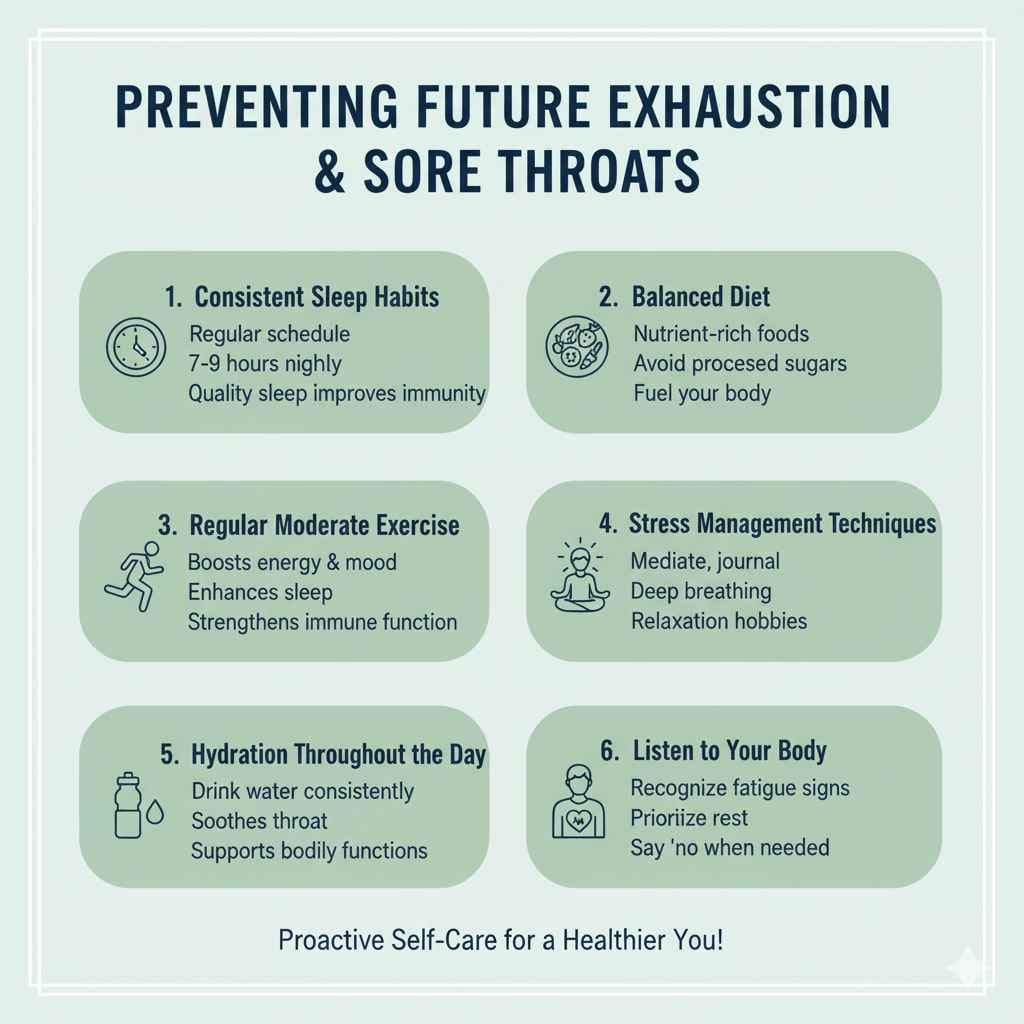
1. Consistent Sleep Habits
The foundation of preventing exhaustion is consistent, quality sleep. This isn’t just about length but also about regularity. Irregular sleep patterns can disrupt your circadian rhythm, leading to daytime fatigue and a weaker immune response.
2. Balanced Diet
Fueling your body with nutritious food every day helps maintain energy levels and keeps your immune system strong. Avoid processed foods, excessive sugar, and unhealthy fats, which can lead to energy crashes and inflammation.
3. Regular Moderate Exercise
While rest is crucial, consistent, moderate exercise actually boosts energy levels and improves immune function over time. It helps improve sleep quality and reduces stress. Aim for activities you enjoy, like walking, swimming, or cycling, most days of the week.
4. Stress Management Techniques
Chronic stress is a major contributor to exhaustion. Incorporating regular stress-reducing practices into your routine, such as meditation, deep breathing exercises, journaling, or engaging in hobbies, can make a significant difference.
5. Hydration Throughout the Day
Don’t wait until you’re thirsty. Sipping water throughout the day helps maintain energy levels and supports all bodily functions, including immune responses. Proper hydration can also help ward off dryness that can aggravate a throat.
6. Listen to Your Body
Perhaps the most important preventive measure is learning to recognize the early signs of fatigue and stress in your body. Don’t wait until you’re running on empty. Take breaks when you need them, learn to say no to commitments that will overextend you, and prioritize self-care.
Frequently Asked Questions (FAQ)
Q1: Can I have a sore throat even if I don’t feel completely exhausted?
Yes, you can. While deep exhaustion makes you more susceptible, a sore throat can be caused by many things, including viral infections (like the common cold or flu), bacterial infections (like strep throat), allergies, dry air, or even shouting. Exhaustion is just one of many potential causes.
Q2: How long will an exhaustion-related sore throat typically last?
If your sore throat is primarily due to exhaustion, and you actively address the fatigue with rest and self-care, you might find relief within a few days to a week. However, if it persists or worsens, it could indicate an infection or another issue, and you should consult a doctor.
Q3: Are there any specific vitamins or supplements that can help boost energy and prevent sore throats?
A balanced diet is the best approach. However, if you have a diagnosed deficiency, your doctor might recommend supplements. Generally, B vitamins are important for energy metabolism, and Vitamin C and Zinc are known for their roles in immune support. Always consult a healthcare provider before starting any new supplement regimen.
Q4: Can stress alone cause a sore throat, even without physical exhaustion?
Yes, mental and emotional stress can significantly impact your body. High stress levels can trigger physical symptoms, including muscle tension in the neck and throat area, leading to a feeling of soreness or tightness. Stress also weakens the immune system, making you more vulnerable to infections that cause sore throats.
Q5: Is it safe to exercise when I have a sore throat from exhaustion?
Generally, it’s best to rest. If your symptoms are mild (like a sore throat without fever or body aches) and you feel up to it, very light activities like gentle stretching or a short, slow walk might be okay. However, if you are experiencing true exhaustion, fever, or significant body aches, you should avoid exercise and focus entirely on rest and recovery.
Q6: What’s the difference between a sore throat from exhaustion and one from a cold?
A sore throat from exhaustion is often described as scratchy, mild, and directly linked to feeling severely tired, often without other prominent symptoms like fever, significant cough, or runny nose. A sore throat from a cold usually comes with other symptoms such as congestion, coughing, sneezing, and sometimes a low-grade fever.
Q7: Can I get a sore throat from a sore throat? (Self-inflicted?)
While you can’t “get” a sore throat from exhaustion itself (it’s a symptom of the body’s state), you can certainly worsen or prolong a sore throat by pushing yourself when you are exhausted. Trying to ‘power through’ when you’re tired can exhaust your body’s resources, making it harder to fight off irritants or recover from an existing throat irritation.
Conclusion
Experiencing a sore throat when you’re profoundly exhausted is a clear signal from your body that it needs attention. It’s your immune system’s way of telling you it’s under strain. By understanding the link between fatigue and a weakened defense, you can take proactive steps to recover and prevent future occurrences.
Remember, the most powerful remedies are often the simplest: prioritizing rest, staying well-hydrated, and nourishing your body with wholesome foods. Gentle self-care, combined with soothing remedies for your throat, can get you back to feeling like yourself. Don’t hesitate to seek medical advice if your symptoms are severe or persistent. By listening to your body and making conscious choices to manage your energy, you can effectively combat exhaustion-related sore throats and enjoy better overall health and well-being.