Are Valved Exhausts Legal: Essential Safety Guide
Valved exhausts are legal in most places when used responsibly and according to local regulations. The key is understanding noise limits, emissions standards, and avoiding illegal modifications. Always prioritize safety and compliance.
Ever heard that satisfying growl from another car and wondered if it’s legal? Or maybe you’re curious about those fancy exhaust tips that seem to change sound with a button press. You’re not alone! Many car owners find exhaust systems a bit confusing, especially when it comes to legality and safety. It’s easy to assume that louder or adjustable exhausts are automatically illegal, but the truth is a little more nuanced. This guide is here to clear up the confusion, break down the rules, and help you understand if valved exhausts are legal and how to keep your car safe and compliant. Let’s make understanding your exhaust simple and stress-free!
Understanding Valved Exhausts (The Basics)
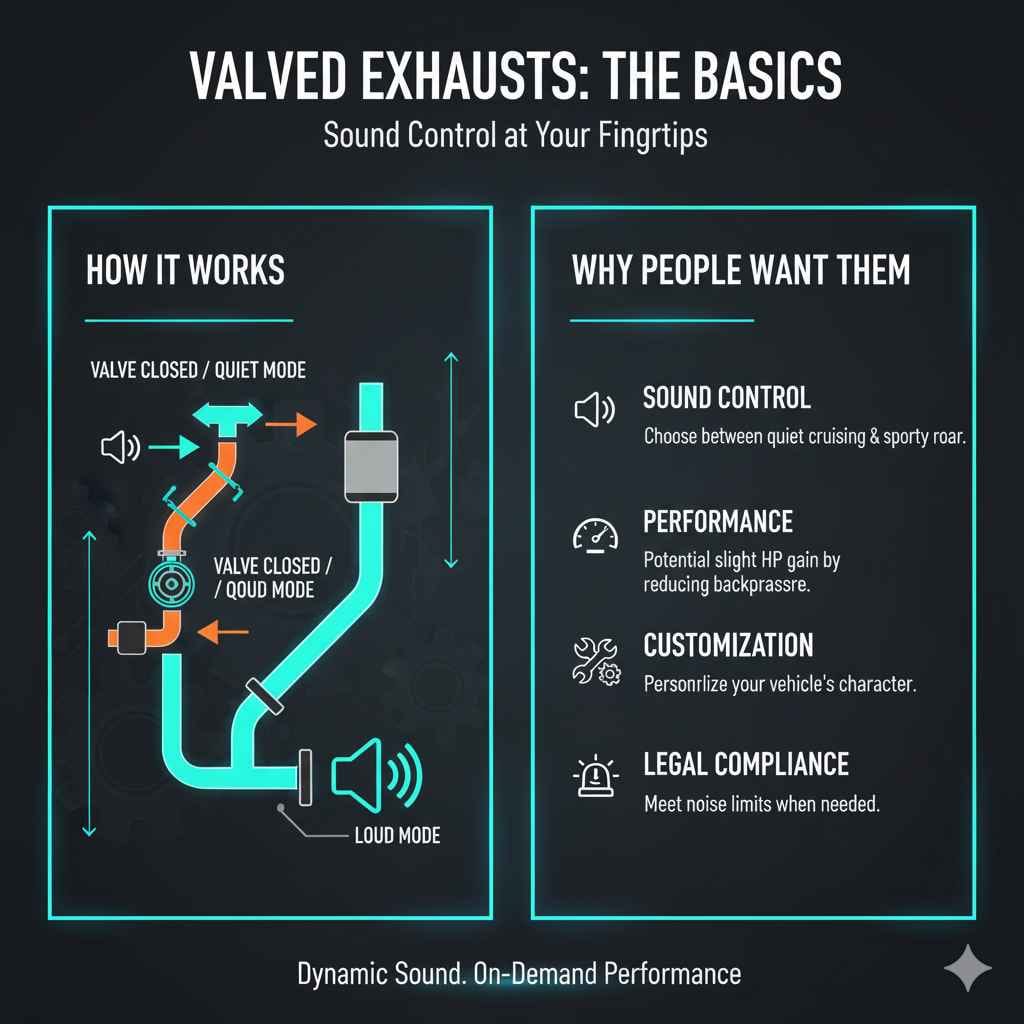
Think of a valved exhaust like a special gatekeeper for your car’s sound. Most exhaust systems are designed to simply let fumes out. But a valved exhaust has an extra component: a valve that can open or close a section of the exhaust pipe. When the valve is closed, exhaust gases are forced through a quieter, often more restrictive path, muffling the sound. When the valve opens, the gases can bypass this silencing path, taking a more direct route and producing a louder, sportier sound.
Why Do People Want Valved Exhausts?
- Sound Control: The biggest appeal is the ability to choose between a quiet, everyday cruising sound and a more aggressive, performance-oriented roar.
- Performance: Opening the valve can sometimes reduce backpressure, potentially leading to a slight increase in engine performance.
- Customization: It’s a way to personalize your vehicle’s character.
- Legal Compliance: In some areas, you might need a quieter exhaust for daily driving but want a sportier sound for track days or specific occasions.
Are Valved Exhausts Legal? The Crucial Question
This is the million-dollar question, and the answer isn’t a simple yes or no. In most places, valved exhausts themselves aren’t inherently illegal. However, their legality hinges on several factors, primarily related to noise emissions and local regulations. What makes a valved exhaust legal or illegal usually comes down to:
- Noise Limits: Every region (state, city, country) has laws dictating the maximum noise level a vehicle can produce. A valved exhaust is legal as long as, in its loudest setting, it doesn’t exceed these limits.
- Emissions Standards: While valves mainly affect sound, any modification must still ensure the vehicle meets all required emissions standards.
- Proper Functionality: The valve needs to function as intended, and the overall exhaust system must be correctly fitted and not leak.
- Intent and Usage: Abusing the system to constantly create excessive noise in residential areas is where problems usually arise, even if the exhaust itself is technically legal under specific conditions.
The crucial point is that the valve allows you to control the sound. If you use this control to keep your exhaust within legal noise limits during everyday driving, you’re generally on the right side of the law. The problems start when the valve is used to deliberately and persistently exceed noise regulations.
Navigating Local Laws: Where to Find Information
Regulations vary significantly from place to place. What’s perfectly fine in one state might be a ticketable offense in another. To be sure about your local laws, you should consult a few key sources:
Key Authorities and Resources:
- Department of Motor Vehicles (DMV) or equivalent: Your local DMV or transport authority is the primary source for vehicle regulations.
- State Patrol or Law Enforcement: These agencies enforce traffic laws, including those related to vehicle noise and modifications. Many have websites detailing common violations.
- Environmental Protection Agencies (EPA): For emissions-related regulations, the EPA or your regional environmental agency is the go-to. You can find information on emissions standards on the EPA’s official website concerning the Clean Air Act.
- Local Municipal Codes: Cities and towns often have their own ordinances regarding noise pollution, which can sometimes be stricter than state laws.
When researching, look for terms like “vehicle noise limits,” “exhaust system modifications,” and “noise pollution ordinances.” Understanding these local rules is your first and most important step to ensure your valved exhaust is compliant.
Safety First: Beyond Just Legality
Legality is crucial, but safety is paramount. A valved exhaust, like any exhaust system, needs to be installed and maintained correctly to ensure it functions safely.
Key Safety Considerations:
- Installation: Incorrect installation can lead to exhaust leaks, which are dangerous. Leaked exhaust fumes contain carbon monoxide, a colorless, odorless, and deadly gas. Always have exhaust work done by qualified professionals or follow precise instructions for DIY.
- Material Quality: Cheaply made valved exhaust systems might use lower-quality materials that can degrade over time, leading to cracks or leaks, or even the valve mechanism failing.
- Heat Management: Exhaust systems get extremely hot. Ensure that the valved exhaust, and its components, are properly shielded and do not come into contact with flammable materials on your vehicle.
- Structural Integrity: A poorly fitted or heavy exhaust can put stress on your vehicle’s undercarriage. Ensure it’s securely mounted.
For proper installation guidance, resources like the SEMA Action Network provide valuable information on vehicle modification laws and recommended practices, though always cross-reference with your local authorities.
Types of Valved Exhaust Systems
Valved exhaust systems come in a few main varieties, each with its own way of operating:
Factory-Installed (OEM) Valved Exhausts
Many modern performance cars come with valved exhausts straight from the factory. These are designed by the car manufacturer to meet all legal requirements for noise and emissions. They often integrate with the car’s driving modes (e.g., “Comfort,” “Sport,” “Track”) to automatically adjust the valve based on the selected setting. These are generally the most hassle-free and legally compliant option.
Aftermarket Valved Exhaust Systems
These are systems you can purchase and install on your vehicle. They offer more customization options:
- Controllable via Remote/App: You can open and close the valve whenever you wish, giving you full control over the sound.
- Controllable via Driving Mode Integration: Some aftermarket systems can be wired to work with your car’s existing driving mode selector.
- Automatomatic Valves: These might open or close based on engine RPM or throttle position, though manual control is more common for aftermarket systems focused on user choice.
Components of a Valved Exhaust System
A typical valved exhaust system includes:
- Muffler/Resonator with Valve: This is the core component containing the bypass valve.
- Control Module: An electronic or vacuum-operated unit that actuates the valve.
- Wiring Harness/Vacuum Lines: Connects the control module to power or your car’s existing systems.
- Remote Control (often): For manual operation of the valve.
- Piping: The exhaust pipes leading to and from the valved section.
Choosing and Installing a Valved Exhaust: A Beginner’s Checklist
If you’re considering getting a valved exhaust, here’s a simple checklist to keep you on the right path:
Before You Buy:
- Research Local Laws: Understand the noise and emissions regulations in your area. This is non-negotiable.
- Identify Your Needs: Do you want quiet cruising with occasional sport sound, or a more aggressive tone overall?
- Choose a Reputable Brand: Opt for well-known manufacturers with good reviews regarding quality and sound.
- Check Reviews for Legality: Look for reviews or manufacturer statements about whether their system is designed to comply with common regulations (though final responsibility is yours).
- Consider Professional Installation: Unless you have significant mechanical experience, professional installation is safer and ensures correct fitment.
Installation Process (General Overview):
(Note: This is a simplified overview. Always refer to manufacturer instructions or a professional.)
- Safely Lift the Vehicle: Use jack stands on a level surface.
- Remove the Old Exhaust: Carefully unbolt and remove the stock exhaust system.
- Install the New Valved Exhaust: Connect sections, ensuring all hangers and gaskets are properly in place.
- Mount the Valve and Actuator: Secure the valved component and connect its control mechanism (electrical or vacuum).
- Wire the Control System: Connect to a power source (often the car’s 12V system) and the remote or driving mode selector.
- Check for Leaks: Start the engine briefly and check for exhaust leaks using soapy water on connections or by feel/smell.
- Lower the Vehicle: Carefully bring the car back down.
- Test All Functions: Ensure the valve opens and closes correctly and that the sound levels are acceptable.
Comparing Valved Exhausts with Fixed Exhausts
To fully understand the valved exhaust, it’s helpful to compare it to its simpler cousin.
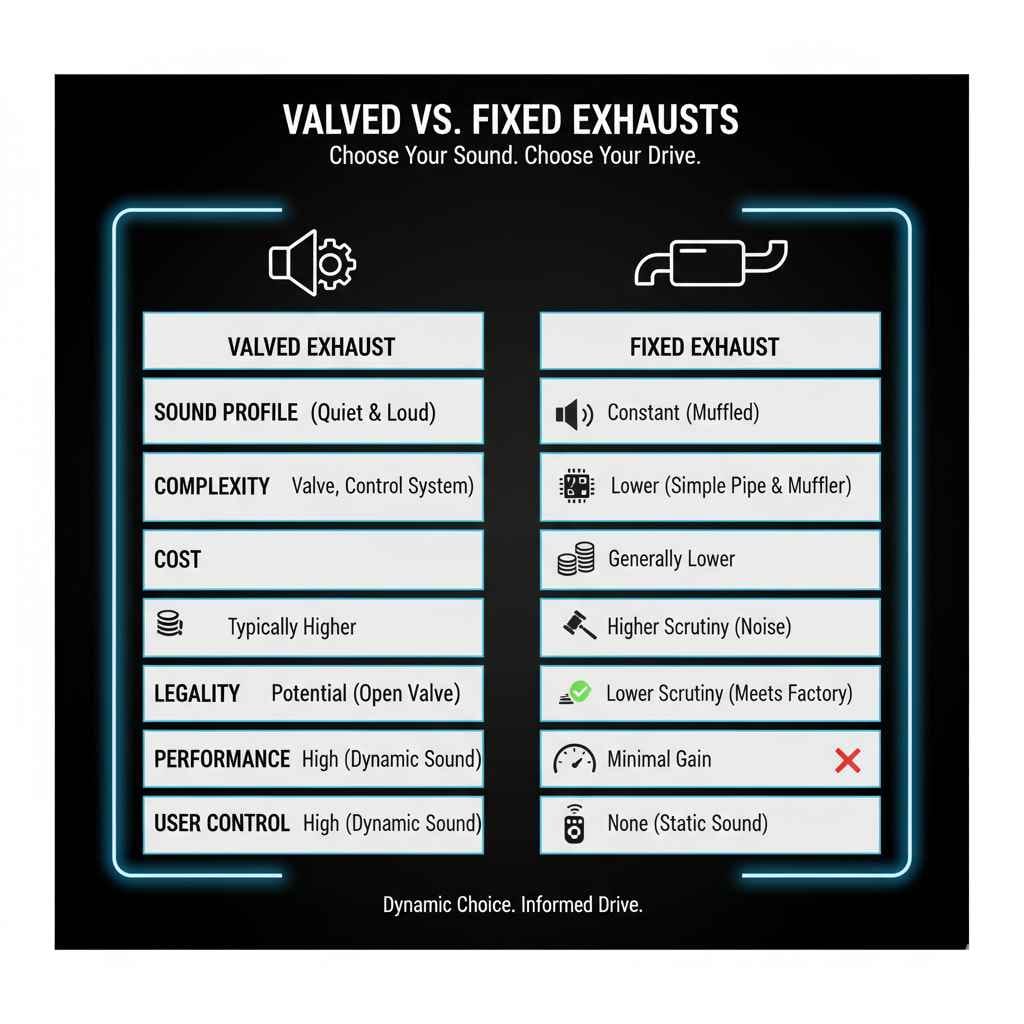
Table: Valved vs. Fixed Exhaust Systems
| Feature | Valved Exhaust | Fixed (Standard) Exhaust |
|---|---|---|
| Sound Profile | Variable (quiet & loud options) | Constant (usually designed for quiet operation) |
| Complexity | Higher (includes valve mechanism, control system) | Lower (simpler pipe and muffler design) |
| Cost | Typically higher | Generally lower |
| Legality Concerns | Higher potential for exceeding noise limits if not managed | Lower, assuming it meets factory standards |
| Performance Potential | Slight potential gain when valve is fully open | Minimal gain from standard systems |
| User Control | High (choice of sound) | None (fixed sound) |
As you can see from the table, the main advantage of a valved exhaust is the ability to tailor the sound to your preference and the driving situation. However, this choice comes with added complexity and a greater responsibility to ensure you’re always within legal noise parameters.
Maintaining Your Valved Exhaust System
Just like any part of your car, a valved exhaust needs a little attention to keep it working well and safely.
Regular Checks:
- Visual Inspection: Look for any signs of rust, damage, or leaks on the pipes, muffler, and valve components.
- Listen for Changes: Pay attention to any new rattles, hissing sounds (indicating leaks), or changes in how the valve operates.
- Test Valve Operation: Regularly activate the valve (if remote-controlled) to ensure it moves freely and without sticking.
- Check Mounts and Hangers: Make sure the exhaust system is still securely attached to your vehicle.
Troubleshooting Common Issues:
- Sticking Valve: Carbon buildup or corrosion can cause the valve to stick. A good quality exhaust cleaner or penetrating oil might help, but sometimes the valve mechanism may need replacement.
- Leaks: Leaks can occur at joint connections or if the valve seat is damaged. These need to be repaired promptly for safety and performance.
- Electrical Issues: If your valve is electronically controlled and not working, check fuses, wiring, and the control module.
Always consult a professional if you’re unsure about any maintenance or repair. For detailed information on exhaust system maintenance, you can refer to resources like the AutoZone repair guides which often provide general inspection tips.
Conclusion: Enjoy Your Drive, Responsibly
So, are valved exhausts legal? Yes, in most cases, they absolutely can be. The key is not the presence of the valve itself, but how the system is used and whether it complies with your local noise and emissions regulations. Think of it as a powerful tool that requires responsible operation. By understanding the laws in your area, choosing quality components, ensuring professional installation, and performing regular checks, you can enjoy the enhanced sound and driving experience that a valved exhaust offers.
Remember, safety and compliance always come first. A little research goes a long way to ensuring your driving experience is both thrilling and lawful. Keep your exhaust system in good shape, and enjoy the open road with confidence!