Are Flowmaster Outlaw Mufflers Street Legal? Essential Guide Explained
Flowmaster Outlaw mufflers are not universally street legal. They are extremely aggressive race-style mufflers designed for maximum performance and sound, but legality depends on your state’s noise laws—many areas consider them too loud for daily driving.
Hey there, fellow car enthusiast! I’m Monowar Shohag, and I’ve spent years helping everyday drivers like you understand and upgrade exhaust systems safely. If you’ve heard the thunderous roar of a Flowmaster Outlaw muffler and wondered if it’s okay for street use, you’re not alone. Many owners love the raw power and sound but worry about tickets or safety issues.
The good news? You can make smart choices with the right info. Outlaw mufflers deliver exciting performance, but noise rules vary widely. Don’t worry—I’ll walk you through it step by step. We’ll cover what makes them special, the facts on legality, and safer options. By the end, you’ll feel confident about your next move.
Let’s dive in and clear up the confusion!
What Are Flowmaster Outlaw Mufflers?
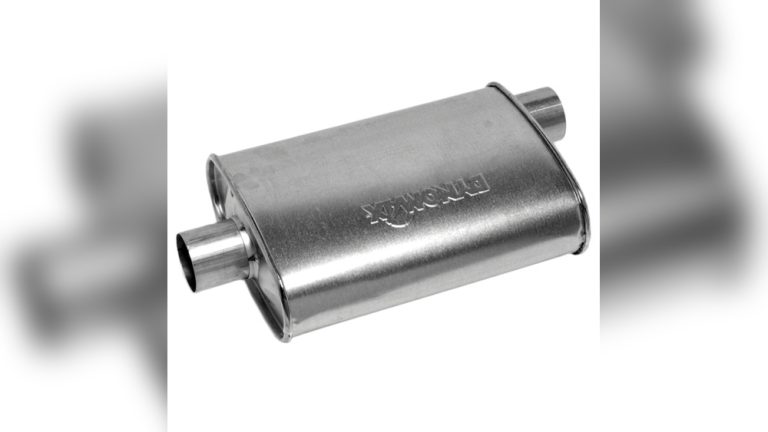
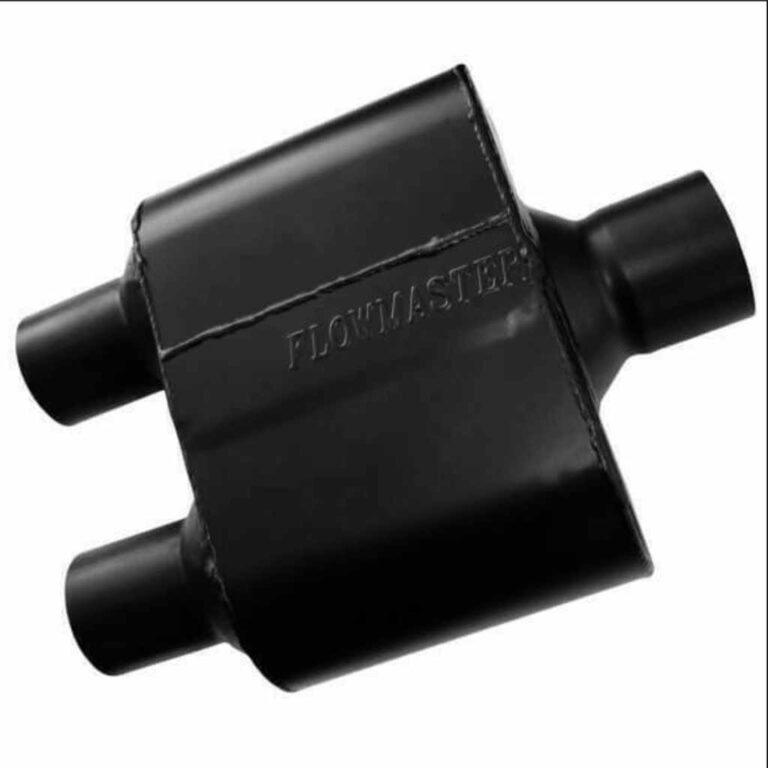
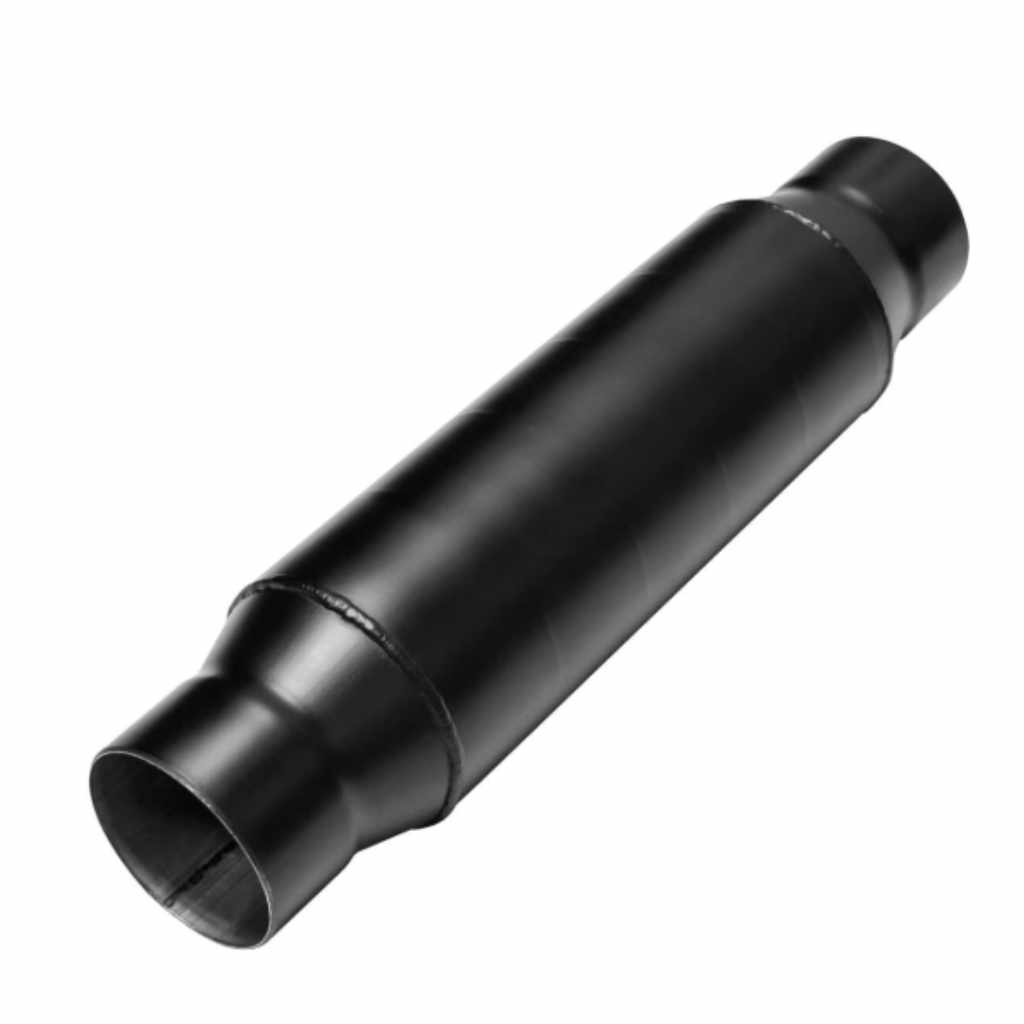
Flowmaster Outlaw mufflers stand out as the company’s most aggressive option. They’re built for race-inspired performance with minimal sound restriction.
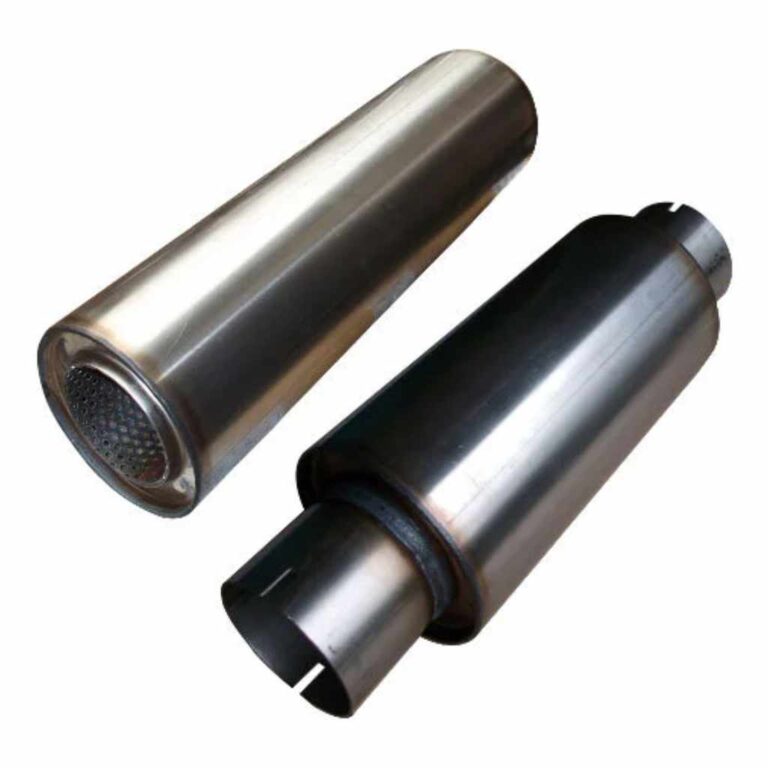
These short, straight-through designs use special rings to slightly tame the sound while keeping backpressure low. That means more horsepower and torque, especially in high-power builds.
Key features include:
- Durable 409 stainless steel construction
- Compact size for easy fit in tight spaces
- Very loud, deep tone—often compared to open headers
- Available as direct-fit replacements or universal
Flowmaster itself notes that on vehicles with catalytic converters, Outlaws produce “very aggressive tones and may be street-compatible in some areas.” That’s a gentle way of saying they’re loud!
Why Legality Matters for Exhaust Upgrades
Upgrading your exhaust feels rewarding—it boosts power, improves throttle response, and adds personality to your ride. But rules exist for good reasons.
Excessive noise can disturb neighborhoods, affect wildlife, and even impact health (like stress or hearing issues). Loud exhausts also link to reckless driving perceptions.
Every state requires mufflers to prevent “excessive or unusual noise.” Many set specific decibel limits, often tested at 50 feet.
Flowmaster Outlaw mufflers often exceed these limits, making them risky for street use in most places.
Are Flowmaster Outlaw Mufflers Street Legal?
The short answer: No, not in most cases for everyday street driving.
Flowmaster labels Outlaw mufflers as “for racing use” or notes they’re legal only where they don’t affect emissions (which they don’t directly). But noise is the big issue.
Official Flowmaster details state: “Recommended for racing applications where a muffler is required without a set decibel limit.”
User reports and reviews describe them as “extremely loud”—sometimes waking neighbors or drawing police attention.
In states like California, they’re not CARB-approved for street use (no Executive Order for emissions exemption on noise grounds).
They pass federal EPA emissions rules (since mufflers don’t impact tailpipe emissions), but fail state and local noise laws in many areas.
| Aspect | Details | Street Legal Impact |
|---|---|---|
| Emissions (EPA/CARB) | No impact on emissions controls | Legal federally; no tampering issue |
| Noise Level | Very aggressive; minimal reduction | Often exceeds state dB limits |
| Flowmaster Labeling | Race-oriented; “may be compatible in some areas” | Not guaranteed street legal |
| Common Use | Track, off-road, or lenient areas | Risk of tickets on public roads |
Bottom line: Great for the track, but check local laws carefully for the street.
Exhaust Noise Laws Across the US
US exhaust noise laws vary by state—there’s no single federal dB limit for vehicles (unlike motorcycles).
Most states ban modifications that increase noise beyond stock or prohibit “excessive” sound. Some, like California, use a 95 dB standard (SAE J1492 test).
Here’s a quick overview of common approaches:
| State Example | Noise Rule Summary | Likely Outlaw Compatible? |
|---|---|---|
| California | 95 dB limit; strict enforcement | No |
| Texas | No muffler cutouts; prevent excessive noise | Possibly, but risky |
| New York | Adequate muffler required; no excessive noise | No in many areas |
| Florida | Prevent excessive or unusual noise | Depends on enforcement |
| General US | Muffler required; no bypasses | Rarely for very loud systems |
For accurate rules in your state, check the SEMA Action Network resource at semasan.com/resources/exhaust-noise-laws-state. Laws change, so verify locally.
Many states follow EPA guidelines on tampering, but noise enforcement is local.
Pros and Cons of Flowmaster Outlaw Mufflers
Outlaws shine for performance lovers. Here’s a balanced view:
- Pros:
- Maximum horsepower gains (low restriction)
- Lightweight and durable
- Intense, race-like sound
- Easy install in many applications
- Cons:
- Very loud (interior drone possible)
- Limited street legality
- Risk of fines or failed inspections
- May annoy passengers or neighbors
If you crave that roar occasionally, consider switchable systems or track-only setups.
Safer Alternatives for Street Use
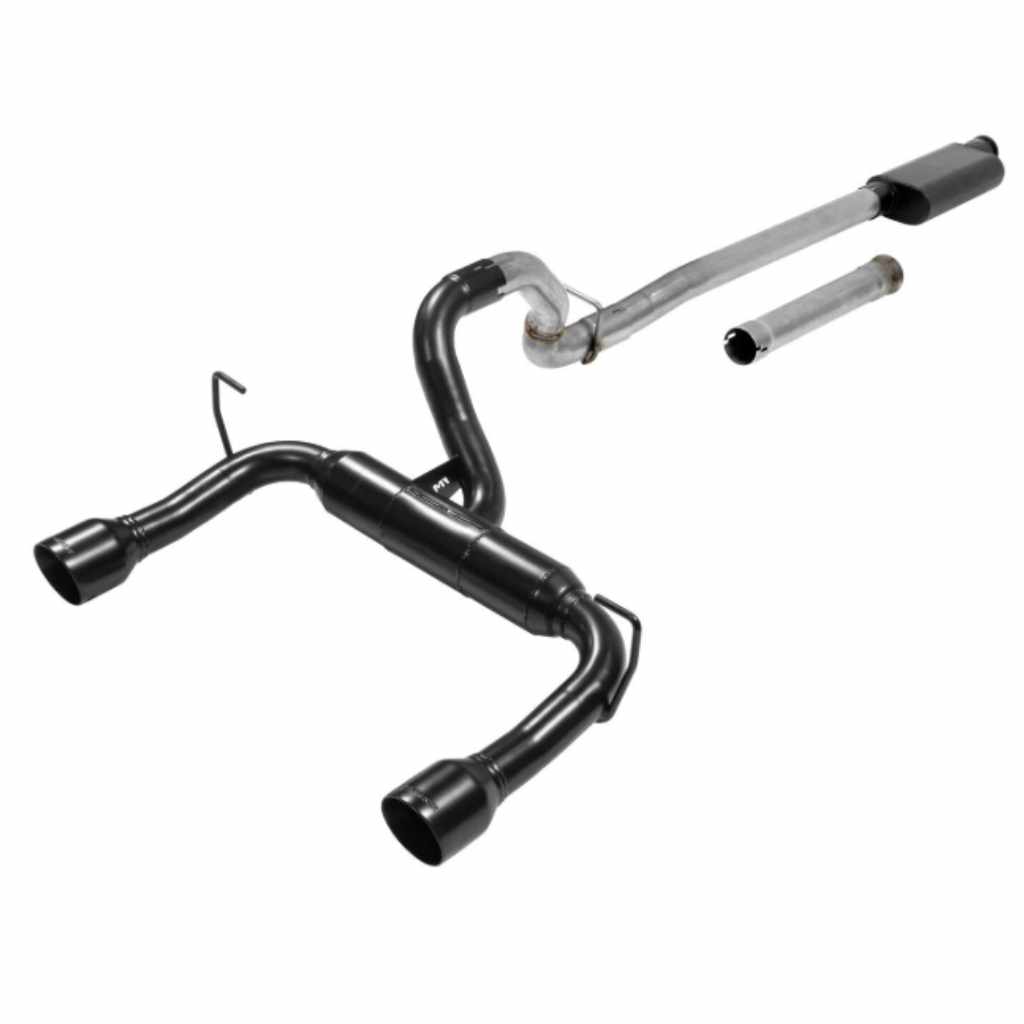
Want great sound without the worry? Flowmaster offers excellent street-friendly options:
- Flowmaster 40 Series: Classic deep tone, moderate aggression
- Super 44: Louder but still compliant in most areas
- FlowFX: Modern sound, good power, street legal
- American Thunder kits: Balanced performance
These provide noticeable upgrades while staying safer for daily driving.
Always choose systems labeled 50-state legal if emissions matter in your area.
How to Check If Your Exhaust Is Legal
- Read your state’s vehicle code (search “[state] exhaust noise laws”)
- Look for decibel limits and test methods
- Check local ordinances—cities can be stricter
- Consult a trusted shop or inspector
- Keep stock parts for easy reversal
Safety first: A proper exhaust also protects against leaks and fires.
FAQ
1. Are Flowmaster Outlaw mufflers louder than 40 Series?
Yes, much louder. Outlaws are Flowmaster’s most aggressive, with minimal sound reduction—perfect for race use but often too much for streets.
2. Can I pass emissions testing with Outlaw mufflers?
Usually yes, since they don’t affect catalytic converters or emissions. But visual inspections or noise checks could flag them.
3. Is it illegal to remove my muffler entirely?
Yes, in all states. Vehicles must have a muffler to prevent excessive noise.
4. Do Outlaw mufflers void my warranty?
Possibly—check your vehicle warranty. Many exclude aftermarket exhaust modifications.
5. What’s a good street-legal loud option?
Try Flowmaster Super 44 or Borla Atak systems. They deliver aggressive sound while meeting most laws.
6. How do police measure exhaust noise?
Many use sound meters at specific distances (like 50 feet) under standard tests. Others rely on “plainly audible” rules.
7. Can I use Outlaws off-road only?
Absolutely! They’re excellent for tracks, trails, or dedicated race cars where noise rules differ.
Conclusion
Flowmaster Outlaw mufflers deliver thrilling performance and that raw exhaust note many of us love. But for most street driving, they’re not the safest choice due to noise regulations.
You can still enjoy exciting upgrades responsibly. Opt for street-friendly Flowmaster series or check local laws thoroughly.
Drive safe, keep it fun, and respect your community. If you have questions about your setup, drop a comment—I’m here to help you build confidence behind the wheel!
Safe motoring,