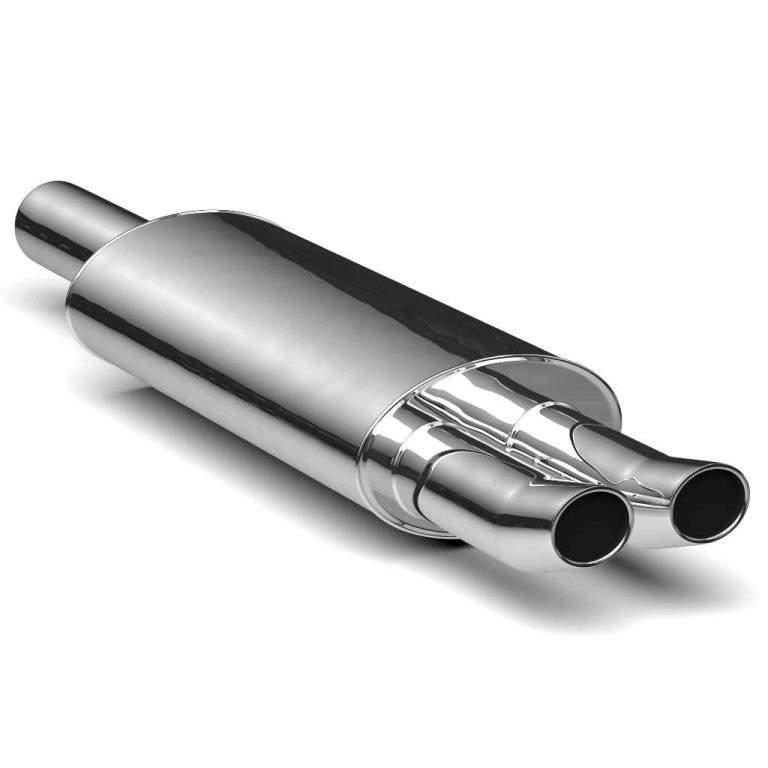
Is Borla Exhaust Legal in California
Figuring out if your car parts are legal can feel tricky, especially when it comes to exhaust systems in California. Many car owners wonder, Is Borla Exhaust Legal in California? This question pops up a lot because California has strict rules about emissions and noise. It can seem confusing, but we’re here to make it super simple.
We’ll walk you through everything step-by-step so you can understand the rules clearly. Let’s get started on finding the answers you need.
California Exhaust Laws And Borla Systems
California’s approach to vehicle emissions and noise is among the most stringent in the United States. This is primarily driven by the state’s unique environmental challenges, particularly air quality in major urban areas. The California Air Resources Board (CARB) sets these standards, which often go beyond federal regulations.
For car owners, this means that any modification to the exhaust system must be compliant with these specific state laws. These laws are designed to reduce harmful pollutants and control noise pollution, contributing to a healthier environment for residents. Understanding these regulations is key for any car enthusiast looking to modify their vehicle’s exhaust.
When considering an aftermarket exhaust system like Borla, it’s crucial to know how it fits within California’s legal framework. Borla is a well-respected brand, but their products’ legality in California depends on specific certifications and designs. Not all Borla exhaust systems are legal for use in California, and it’s important to differentiate between them.
The primary concern is whether a particular Borla system meets or exceeds the state’s emissions and noise standards. This often involves checking for CARB Executive Orders (EOs) or other forms of approval that confirm compliance. Without such approvals, a Borla exhaust, or any aftermarket exhaust, could be deemed illegal for use on public roads in California, leading to potential fines or issues during vehicle inspections.
Understanding California’s Emissions Standards
California’s emissions standards are set by CARB and are among the strictest in the nation. These standards aim to reduce the release of harmful gases from vehicle exhaust, such as carbon monoxide, hydrocarbons, and nitrogen oxides. For aftermarket parts, especially exhaust systems, compliance means they must not negatively impact the vehicle’s original emissions control system.
This includes ensuring that catalytic converters are present and functioning correctly, and that no modifications lead to increased emissions.
CARB developed the Antismog Device Executive Order (EO) program to certify that aftermarket parts meet these rigorous standards. For an exhaust system to be legal in California, it must have a CARB EO number. This number indicates that the part has been tested and approved by CARB for use on specific makes and models of vehicles.
Without this EO, an exhaust system is generally considered non-compliant. This is a critical point for anyone asking, Is Borla Exhaust Legal in California? It’s not just about the brand, but about the specific product’s certification.
- The Importance of Catalytic Converters. Catalytic converters are essential components of a vehicle’s exhaust system that convert harmful pollutants into less harmful substances. In California, removing or tampering with a catalytic converter is illegal. Aftermarket exhaust systems must either retain the original converter or include a CARB-approved high-flow catalytic converter that performs the same function effectively. This ensures that the vehicle continues to meet emission control requirements.
- Sound Level Regulations. Beyond emissions, California also has laws about exhaust noise levels. Vehicles are generally required to have mufflers that reduce engine noise to a reasonable level. Modified exhaust systems that are excessively loud are often illegal. While Borla is known for its performance sound, some of their systems might produce noise levels that exceed California’s limits. It’s vital to check the specific sound rating of any Borla system considered for installation.
- Federal vs. California Standards. Federal EPA standards for emissions and noise are generally less strict than California’s. While an exhaust system might be legal at the federal level, it doesn’t automatically mean it’s legal in California. This is because California often operates under its own waivers from the federal Clean Air Act, allowing it to set more demanding standards. Therefore, focusing solely on federal legality is insufficient for compliance in California.
The Role of CARB Executive Orders
CARB Executive Orders (EOs) are the golden ticket for aftermarket parts in California. These orders are official documents issued by the California Air Resources Board that approve a specific aftermarket part for use on certain vehicles. An EO certifies that the part meets the state’s stringent emissions requirements and will not increase pollution.
For exhaust systems, this means the part has been designed and tested to ensure it doesn’t bypass or compromise the vehicle’s emissions control equipment.
When you’re looking at a Borla exhaust system and wondering, Is Borla Exhaust Legal in California?, the first thing you need to check is whether it has a CARB EO number. This number is usually stamped on the part itself or found in the product’s documentation. If a Borla exhaust system has a CARB EO, it means it has undergone the rigorous testing and approval process.
This approval is specific to certain vehicle makes, models, and engine sizes, so it’s important to ensure the EO covers your exact vehicle. Without an EO, the system is likely not street legal in California.
- How to Find CARB EO Numbers. CARB EO numbers are typically found on the part itself, often stamped or attached with a label. They are also listed on the manufacturer’s website, in product manuals, or can be searched directly on the CARB website. Knowing where to look is essential for verifying compliance.
- EO Specificity. It’s important to note that CARB EOs are very specific. An EO for one Borla exhaust system might not apply to another, even if they are from the same manufacturer. The EO will list the exact part number, the vehicle makes, models, and years it is approved for, and the engine configurations it is compatible with. Always confirm that the EO covers your specific vehicle.
- Consequences of Non-Compliance. Operating a vehicle with aftermarket parts that do not have a CARB EO is illegal in California. This can lead to citations, fines, and the requirement to remove the non-compliant part. In some cases, it can also lead to your vehicle failing a smog check, making it impossible to register or renew your registration.

Borla Exhaust Systems and California Legality
Borla Performance Industries is a renowned manufacturer of high-performance exhaust systems. They are known for their quality, sound, and performance gains. However, when it comes to California, not all of their products are created equal in terms of legality.
Borla produces a wide range of exhaust systems, some of which are designed to comply with California’s strict emissions and noise regulations, while others are not. The key differentiator is whether the system is CARB-exempt.
For enthusiasts who are passionate about their vehicles and want to enhance their exhaust note and performance, the question, Is Borla Exhaust Legal in California?, is a primary concern. Borla has a selection of products that have obtained CARB Executive Orders (EOs). These specific systems are designed to meet California’s emissions standards, often by utilizing high-flow catalytic converters or ensuring that the rest of the emissions control system remains untouched and functional.
If a Borla exhaust system has a CARB EO, it is legal for street use in California. If it does not, it is generally not street legal, even if it’s a popular or high-quality product.
- CARB-Approved Borla Systems. Borla actively seeks CARB certification for many of its systems, especially those intended for use in states with strict emissions regulations like California. These systems are designed to be direct bolt-on
- Race or Off-Road Use Only Systems. Borla also manufactures exhaust systems that are designated “for race or off-road use only.” These systems are typically not equipped with catalytic converters or are designed for maximum flow without regard for emissions. They are explicitly not legal for use on public roads in California, or any other jurisdiction with emissions regulations. Using such a system on a street-driven vehicle will result in failing emissions tests and potential legal penalties.
- Examples of Borla’s Approach. Borla’s commitment to compliance is evident in their product lines. For instance, they might offer a “Touring” or “S-Type” system for a particular vehicle that has a CARB EO, indicating it’s street legal. Simultaneously, they might offer a “MtoUpperCase” system for the same vehicle that is intended for off-road use and lacks the necessary emissions controls for street legality. The naming convention or product description will usually clarify this.
Identifying CARB-Compliant Borla Exhausts
The process of identifying a CARB-compliant Borla exhaust system is straightforward once you know what to look for. It primarily revolves around verifying the presence and applicability of a CARB Executive Order (EO). Without this specific certification, a Borla exhaust is generally not legal for street use in California.
This is a crucial distinction for vehicle owners and mechanics alike, ensuring compliance with state laws and avoiding potential penalties.
To confirm if a particular Borla exhaust system is legal in California, you must find its CARB EO number. This number is usually found stamped directly onto the exhaust component itself. You can also find it in the product’s installation manual or on Borla’s official website.
Borla often dedicates a section of their website to listing which of their systems have obtained CARB EOs and for which specific vehicle applications. This makes the verification process much easier for consumers.
- Checking Borla’s Official Website. The most reliable method is to visit the Borla website and use their product search tool. Many manufacturers have a dedicated section or filter for “CARB Legal” or “Emissions Compliant” products. This allows you to see all Borla systems that have been certified for use in California. Always double-check that the EO listed is for your specific vehicle’s make, model, and year.
- Verifying the EO Number. Once you have a potential EO number, you can cross-reference it on the CARB website. This ensures the EO is current and valid. The CARB website allows you to search for approved aftermarket parts by EO number, manufacturer, or part type. This provides an extra layer of assurance.
- Consulting with Authorized Dealers. If you are still unsure, it is always a good idea to consult with an authorized Borla dealer or a reputable automotive shop in California. They are familiar with the state’s regulations and can help you identify the correct, legal Borla exhaust system for your vehicle. They can also assist with installation to ensure it’s done correctly to maintain compliance.
Borla’s Product Lines and Legality Breakdown
Borla offers a diverse range of exhaust systems, catering to various performance and sound preferences. Understanding which of these lines are legal in California is essential. Borla’s strategy involves creating systems that either directly meet CARB requirements or are intended for applications where emissions compliance is not a street-legal concern.
This segmentation helps consumers make informed choices based on their location and intended use.
The key to distinguishing legal Borla systems in California lies in their adherence to emissions standards and the presence of a CARB EO. Systems that are explicitly labeled “for off-road use only” or “race use” are not street legal in California. These systems often omit catalytic converters or use configurations that would increase emissions beyond legal limits.
Conversely, Borla systems that have received a CARB EO are designed to work within the state’s stringent regulations and are therefore legal for street use.
| Borla Product Line | California Legality | Reason |
|---|---|---|
| ATAK (Acoustically Tuned) | Varies (Check for CARB EO) | Some ATAK systems may have CARB EOs, others are for enhanced sound without full emissions compliance. |
| S-Type | Varies (Check for CARB EO) | Often designed for a balance of performance and sound, some versions have CARB EOs. |
| Touring | Varies (Check for CARB EO) | Typically Borla’s milder option; many Touring systems have CARB EOs due to their less aggressive nature and focus on factory-like emissions. |
| MtoUpperCase (For Off-Road Use Only) | Illegal for Street Use | Designed for maximum performance and sound, lacks emissions controls required for street legality. |
| Cat-Back Systems with CARB EO | Legal for Street Use | These systems replace the exhaust from the catalytic converter back and have been certified by CARB. |
| Header Systems | Generally Illegal for Street Use | Headers often |
Common Misconceptions and Legal Pitfalls
Several common misunderstandings can lead car owners in California to unknowingly install illegal exhaust systems. One of the most frequent is assuming that if a part is legal in another state, it’s legal everywhere. This is particularly true for emissions, as California has a special waiver allowing it to enforce stricter standards than the federal government.
Another misconception is that “performance” parts are automatically exempt from emissions testing. This is rarely the case for exhaust components.
When people ask, Is Borla Exhaust Legal in California?, they might assume that because Borla is a reputable brand, all their products are fine. However, Borla, like many performance manufacturers, produces a range of products. Some are specifically designed for street legality with CARB certification, while others are intended strictly for track or off-road use.
Mistaking an “off-road” system for a “street legal” one can lead to serious problems. Failing to check for a CARB Executive Order (EO) is the most common pitfall. Without an EO, the exhaust system is generally not street legal in California, regardless of the brand.
- The “It’s Just Mufflers” Fallacy. Some owners believe that if they only change the mufflers or axle-back section of their exhaust, it’s legal. While this can sometimes be true if the new mufflers don’t alter emissions or create excessive noise, it’s not a guarantee. The entire exhaust system’s integrity regarding emissions control is considered. If a component, even a muffler, somehow interferes with emissions or significantly increases noise beyond legal limits, it can be deemed illegal.
- Online Sales and Out-of-State Purchases. Many online retailers or parts suppliers may not be fully aware of or enforce California’s specific regulations. You might purchase a Borla exhaust system from a seller outside of California who ships it to you, and they may not flag it as potentially illegal for your state. It is the buyer’s responsibility to ensure the part they purchase is CARB-compliant if they intend to use it on public roads in California.
- Smog Check Failures. A non-CARB-compliant exhaust system will almost certainly cause a vehicle to fail its California smog check. Smog technicians are trained to identify modifications that could affect emissions. A visual inspection can reveal missing catalytic converters or non-certified components. Furthermore, modern smog tests often include an emissions reading that will flag an illegal setup.
Ensuring Your Borla Exhaust is Street Legal
To ensure your Borla exhaust system is street legal in California, the most critical step is verification. This process requires diligence and attention to detail. It’s not enough to assume legality; you must actively confirm it through official channels.
This diligence will save you from potential fines, failed inspections, and the hassle of removing non-compliant parts.
The primary method for ensuring legality is by confirming that the specific Borla exhaust system you are considering or have purchased has a valid CARB Executive Order (EO). This EO number serves as official proof that the part has met California’s stringent emissions and noise regulations. Without this EO, the system is generally not permitted for use on public roadways in California.
Always make sure the EO applies to your vehicle’s specific make, model, and engine.
- Locate the CARB EO Number: This number is typically found stamped directly on the exhaust component or in the product’s documentation. It will look something like “D–” or “E–“.
- Verify the EO on the CARB Website: Visit the official CARB website and use their search tool to enter the EO number. This will confirm its validity and provide details about which vehicles it is approved for.
- Consult Borla’s Official Documentation: Check Borla’s website or contact their customer support to confirm the CARB legality of the specific system. They often maintain lists of their CARB-compliant products.
- Confirm Vehicle Applicability: Ensure the CARB EO covers your vehicle’s exact make, model, year, and engine size. An EO for a different configuration will not make your exhaust legal.
- If No CARB EO Exists: If a Borla exhaust system does not have a CARB EO, it should be considered non-compliant for street use in California. This includes systems labeled “for off-road use only.”
Legal Ramifications of Non-Compliance
The consequences of installing and using an aftermarket exhaust system that is not legal in California can be significant. Authorities in California strictly enforce vehicle emissions and noise regulations to maintain air quality and reduce noise pollution. These regulations apply to all vehicles operating on public roads, regardless of whether they are passenger cars, trucks, or motorcycles.
Understanding these ramifications is crucial before making any modifications.
When asked, Is Borla Exhaust Legal in California?, the answer hinges on CARB certification. If a Borla exhaust system lacks the necessary CARB Executive Order (EO), it is considered a violation. This violation can result in several penalties.
The most immediate consequence is often a citation during a traffic stop. Furthermore, a non-compliant exhaust system will prevent a vehicle from passing its mandatory biennial smog inspection, which is required for vehicle registration renewal. This can ultimately lead to the vehicle being impounded or prohibited from being driven.
- Traffic Citations and Fines. Law enforcement officers in California are authorized to issue citations for vehicles that do not comply with emissions and noise regulations. These citations can come with fines that vary depending on the offense. For exhaust violations, these fines can range from moderate to substantial amounts. A repeated offense could lead to higher penalties.
- Smog Check Failures and Registration Issues. California requires all vehicles to pass a smog inspection every two years to maintain their registration. An aftermarket exhaust system that is not CARB-compliant will fail this inspection. Without a passing smog certificate, you cannot renew your vehicle’s registration, meaning you cannot legally drive the car. This can result in late fees and further complications with the Department of Motor Vehicles (DMV).
- Mandatory Removal and Re-installation. In some cases, a court order or a strong warning from law enforcement might require the removal of the non-compliant exhaust system. This means you would have to pay to have the illegal exhaust removed and then pay again to have a legal exhaust system installed. This can be a costly and time-consuming process.
Real-Life Scenarios and Case Studies
To illustrate the practical implications of California’s exhaust laws, consider a few common scenarios. These examples highlight the importance of compliance and the pitfalls of non-compliance. Understanding these real-world situations can help car owners make more informed decisions about their vehicle modifications.
Scenario 1: A performance enthusiast buys a Borla “MtoUpperCase” exhaust system for their muscle car, excited about the aggressive sound and increased power. They install it themselves, believing that since it’s a well-known brand, it must be okay. However, this system is designated “for off-road use only” and lacks a CARB EO.
Shortly after, during a routine traffic stop for speeding, the officer notices the unusually loud exhaust and issues a citation for illegal modifications and excessive noise. The owner then faces a dilemma: pay the fine and remove the exhaust, or face further penalties and a failed smog check. This scenario emphasizes that brand name alone does not guarantee legality.
Scenario 2: Another car owner wants to upgrade their SUV’s exhaust. They research Borla and find a “S-Type” cat-back system that has a CARB EO. They confirm the EO applies to their specific SUV model and year.
After purchasing and installing this system, they pass their biennial smog inspection without any issues. They enjoy the improved sound and performance, knowing their modification is legal and won’t cause registration problems. This case demonstrates the success of proper research and choosing a CARB-certified product.
- Case Study: A shop in Southern California installs a Borla header system and a straight-pipe exhaust on a classic truck for a customer. The customer, who lives in a more rural area, drives it infrequently. However, during a mandatory smog check for registration renewal, the vehicle fails spectacularly. The mechanic informs the owner that the exhaust modifications are the cause and that the components are not CARB-approved. The owner is told they need to revert to a factory-spec exhaust or find a CARB-legal alternative, which for headers on older vehicles can be extremely difficult or impossible. The cost of correction is substantial.
- Scenario: A young driver purchases a Borla axle-back exhaust for their sporty compact car. They check the product page and see it mentions “CARB Approved” with an EO number. They confirm the EO covers their vehicle. They install the exhaust and are pleased with the subtle, sporty tone. When it’s time for their smog check, the technician performs the standard inspection. The vehicle passes the emissions test with flying colors, and the technician notes the exhaust modification is properly documented with a CARB EO. The driver feels confident and secure in their legal upgrade.

Conclusion
When considering Borla exhaust systems in California, legality hinges on a CARB Executive Order. Always verify the EO number for your specific vehicle. If a system has a CARB EO, it is street legal.
If it lacks one or is marked “off-road only,” it is not. Ensure your chosen Borla exhaust is certified to avoid fines and smog check failures.
Frequently Asked Questions
Question: Is Borla exhaust illegal in California?
Answer: Not all Borla exhaust systems are illegal in California. Legality depends on whether the specific system has a CARB Executive Order (EO), which certifies it meets California’s emissions and noise standards. Systems without a CARB EO are generally not street legal.
Question: How do I know if my Borla exhaust is legal in California?
Answer: You can determine if your Borla exhaust is legal by checking for a CARB Executive Order (EO) number. This number should be stamped on the part or listed in the product documentation. You can verify the EO on the CARB website for your specific vehicle.
Question: Where can I find the CARB EO number for a Borla exhaust?
Answer: The CARB EO number is typically stamped directly onto the exhaust component itself. It can also be found in the product’s installation manual or on Borla’s official website, often in a dedicated section for CARB-legal products.
Question: What happens if I have a non-CARB-legal Borla exhaust in California?
Answer: If you have a non-CARB-legal Borla exhaust in California, you could receive traffic citations and fines, fail your smog inspection, and be unable to renew your vehicle registration. You may also be required to remove the illegal exhaust.
Question: Can I buy an “off-road only” Borla exhaust for my daily driver in California?
Answer: No, you cannot legally use an “off-road only” Borla exhaust system on a daily driver vehicle in California. These systems are not equipped with the necessary emissions controls and are explicitly not street legal.
Summary
To determine if Borla exhaust is legal in California, look for a CARB Executive Order (EO) number. This ensures compliance with state emissions and noise laws. Without an EO, the system is typically not street legal.
Always confirm the EO applies to your specific vehicle. Choosing a CARB-certified Borla exhaust guarantees compliance and avoids potential legal issues.