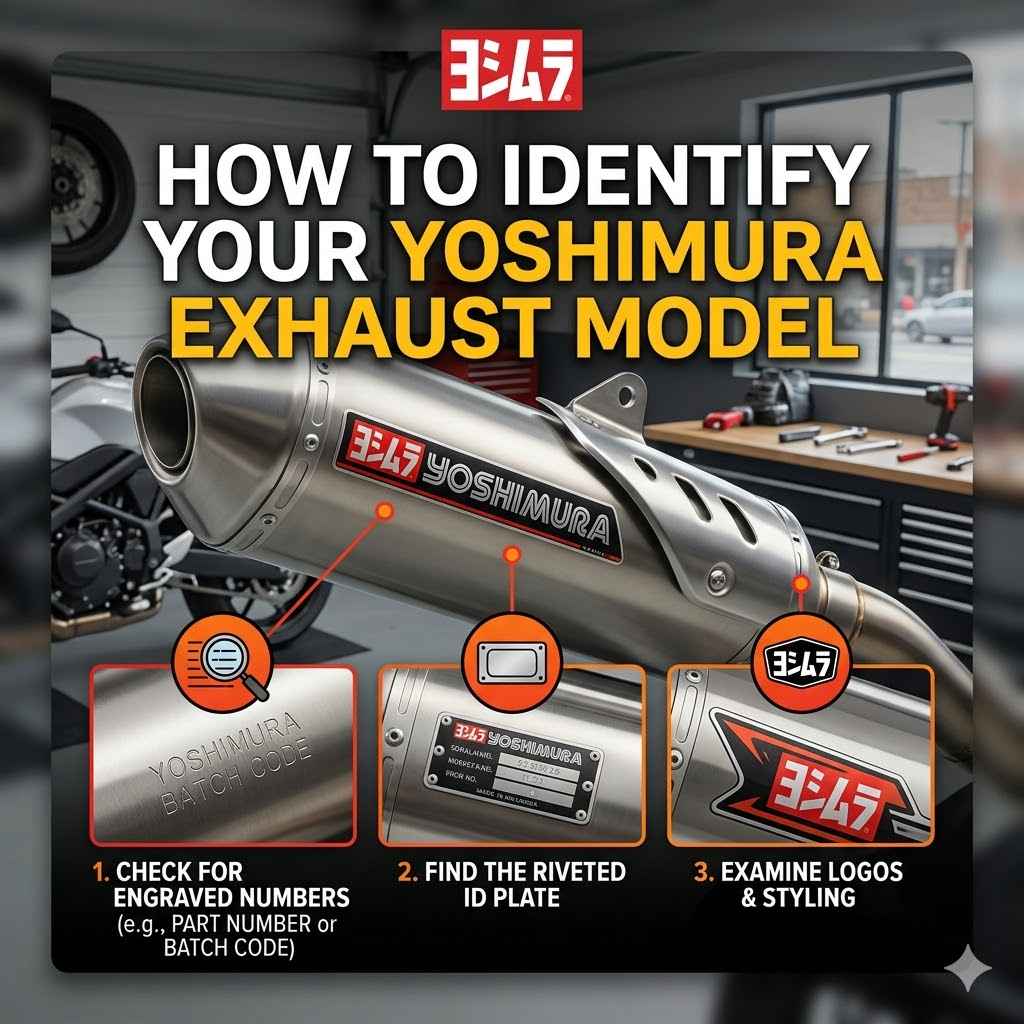
How to Identify Your Yoshimura Exhaust Model
Figuring out which Yoshimura exhaust you have can be a bit tricky, especially when you’re new to it. There are so many different models and parts, and they all look pretty similar at first glance. But don’t worry!
It’s not as hard as it seems. We’ll walk you through this step-by-step, making it super easy to find the exact information you need. You’ll soon know exactly what Yoshimura exhaust model you’re working with.
Locating Your Yoshimura Exhaust Model Number
Finding the right identification for your Yoshimura exhaust system is the first big step. This number is like a unique fingerprint for your specific part. It tells you everything from what bike it fits to its exact series and any special features.
Knowing this number is super important if you ever need to buy replacement parts, sell your exhaust, or just want to learn more about its performance. We will guide you through the common places you can find this vital piece of information.
Common Identification Locations
Yoshimura usually places identification marks in a few key spots on their exhaust systems. The most common place is on a metal plate or directly stamped onto the muffler or silencer itself. This plate is often riveted or welded onto the body of the muffler.
You might need to wipe away some dirt or grime to see it clearly.
Sometimes, the model number can be found on a sticker applied to the exhaust. These stickers can fade or peel off over time, especially with heat and exposure to the elements. If you can’t find it on the muffler, check other parts of the exhaust system, like the mid-pipe or head pipe.
- Exhaust Tag or Plate
This is usually a small, rectangular piece of metal attached to the muffler. It often contains the Yoshimura logo, the model number, and sometimes a serial number. Clean this area gently with a soft cloth to make sure the text is legible. The metal plate is often silver or brushed aluminum, contrasting with the darker muffler. - Stamping Directly on the Muffler
In some cases, the model number is etched or stamped directly into the metal of the muffler. This might be on the bottom, side, or even the end cap. You may need to use a flashlight and look at the surface from different angles to see the imprinted numbers and letters. - Sticker Label
Less common for permanent identification but still possible, a sticker might be present. These are more fragile than stamped marks. If you find one, be very careful when cleaning around it. The sticker usually has the model number printed in clear, bold text.
What to Do If Identification is Unclear
If the markings are worn off, damaged, or simply not present, you might have to do a little more detective work. Sometimes, older exhausts or those that have been modified might lack clear markings. Don’t get discouraged if the number isn’t immediately obvious.
There are other ways to figure it out.
The key is to look for any symbols, partial numbers, or distinct design features that might give you clues. Even a partial model number can be a great starting point for further research.

Understanding Yoshimura Part Numbers
Yoshimura part numbers are structured in a specific way. They are not just random letters and numbers; they actually contain information about the exhaust system. Learning to read these numbers can help you identify your model even if the entire number isn’t perfectly clear.
Each component of the part number usually signifies a different aspect of the exhaust.
This system helps Yoshimura track their products and also helps customers find compatible parts. For example, the beginning of the part number often indicates the type of exhaust system or the series it belongs to. The digits that follow typically relate to the specific motorcycle model, year, and configuration.
Decoding the Yoshimura Part Number Structure
A typical Yoshimura part number might look something like ‘1341453’ or ‘YS-0072-B’. The exact format can vary slightly depending on the age of the exhaust and its type (e.g., full system, slip-on, or bolt-on). However, there are general patterns to look for.
The first few digits often indicate the series or type of product. For instance, some numbers might start with ’11’ for a certain line of slip-on mufflers. Other numbers or letters could specify the material used, such as ‘SS’ for stainless steel or ‘TI’ for titanium.
The subsequent digits usually correspond to the specific make, model, and year of the motorcycle the exhaust is designed for.
- Series and Product Type Indicators
The initial digits or letters in a Yoshimura part number often reveal the product line. For example, a part number starting with ’14’ might signify a Yoshimura RS-4 series exhaust. The absence or presence of certain characters can distinguish between a slip-on muffler and a full system. - Motorcycle Specific Designations
Later parts of the number are typically dedicated to identifying the target motorcycle. This might include codes for Japanese, European, or American bike manufacturers. Certain number combinations will directly map to specific bike models like the Suzuki GSX-R or the Honda CBR. - Material and Finish Codes
Sometimes, letters within the part number indicate the materials used, such as carbon fiber, stainless steel, or titanium. Colors or finishes might also be denoted. For instance, ‘C’ could mean carbon fiber, and ‘BL’ might indicate a black finish.
Researching Your Part Number
Once you have a part number, the easiest way to identify your exhaust is to use it for research. Yoshimura’s official website is a great resource. They have a catalog and often an online search function where you can enter your part number to see detailed product information.
This will confirm the exact model, its compatibility, and its original specifications.
If you can’t find it on their site, try searching online forums or motorcycle enthusiast websites. Other riders may have encountered similar part numbers and can offer assistance. Providing a partial number or a photo of the marking can help others identify it for you.
Visual Identification Tips
Sometimes, you can identify your Yoshimura exhaust just by looking at its design. Different Yoshimura series have distinct shapes, styles, and features. Recognizing these visual cues can be very helpful, especially if the part number is missing or unreadable.
Each series has its own aesthetic that Yoshimura enthusiasts often recognize.
Consider the overall shape of the muffler, the end cap design, and any visible branding. These elements are consistent within specific product lines. Think of it like identifying different car models by their headlights or body shape; Yoshimura exhausts have their own signature looks.
Key Visual Features to Look For
Yoshimura offers several popular exhaust series, each with unique styling. For example, the RS-2 series is known for its angular, aggressive look, often featuring a large oval muffler with a distinctive end cap. The RS-4 series, on the other hand, might have a more tapered shape and a slightly different end cap design.
The material used also affects the visual appearance. A carbon fiber muffler will have a woven texture and a darker, matte finish compared to a polished stainless steel or titanium one, which will have a metallic sheen. The color of the end cap, whether it’s polished aluminum, black, or carbon fiber, is another distinguishing feature.
- Muffler Shape and Size
Observe the overall form of your muffler. Is it a straight oval, a tapered cone, or something more angular? Yoshimura’s iconic RS-4 series, for instance, often features a more rounded, elongated oval shape that tapers towards the rear. The RS-2 series can appear more aggressive and rectangular in profile. - End Cap Design
The design of the muffler’s end cap is a significant visual identifier. Some have simple, straight-cut ends, while others feature intricate patterns, mesh grilles, or distinct color schemes. For example, a carbon fiber end cap with a Yoshimura logo etched into it is a common sight on their premium lines. - Branding and Logos
Besides the part number, look for the Yoshimura logo. It’s usually prominently displayed on the muffler body, often etched, stamped, or on a separate badge. The style and placement of this logo can sometimes indicate the series or an older/newer production run. - Material Finish
The material of the muffler significantly impacts its look. A titanium muffler will have a unique blueing or rainbow coloration near the header pipe due to heat. Carbon fiber mufflers have a distinct woven pattern. Stainless steel can range from brushed to polished finishes.
Comparing with Online Images
Once you’ve noted down these visual characteristics, compare them with images online. Search for “Yoshimura RS-2,” “Yoshimura RS-4,” or other known series names. Look at photos of exhausts installed on similar motorcycles.
You can often find detailed product shots on retailer websites or Yoshimura’s official pages.
Even if you can’t find an exact match, seeing variations within a series can help you narrow down your search. Pay attention to small details like the type of rivets used, the angle of the exhaust outlet, or the branding on the heat shield if one is present.
Checking Motorcycle Specifications
If you own the motorcycle the exhaust is currently on, checking its original specifications can sometimes provide clues. While Yoshimura exhausts are aftermarket parts, they are designed for specific bike models and years. Knowing your motorcycle’s make, model, and year is a critical piece of information.
This context helps eliminate many possibilities and focus your search.
Many motorcycle manufacturers provide manuals or technical data sheets that list original equipment. If the Yoshimura exhaust is a replacement for the stock one, or if it was installed by a previous owner, the motorcycle’s specifications become a valuable starting point.
Using Motorcycle Manuals and Databases
Your motorcycle’s owner’s manual will detail the original exhaust system specifications. If you don’t have the manual, you can often find digital versions online by searching for your bike’s make, model, and year. Look for sections on exhaust or performance parts.
Online motorcycle databases and enthusiast forums are also excellent resources. Websites dedicated to specific bike models often have sections where owners share aftermarket modifications. You might find posts discussing which Yoshimura exhausts fit particular bikes and when they were commonly installed.
- Owner’s Manual Information
Your motorcycle’s manual is the primary source for its original specifications. It will describe the stock exhaust system, including dimensions and material. While it won’t directly identify the Yoshimura model, it confirms what the bike was designed to work with. This helps if you are trying to determine if a Yoshimura is a direct fit or an upgrade. - Aftermarket Compatibility Charts
Yoshimura, like many aftermarket manufacturers, provides compatibility charts. These charts list which exhaust models are designed for which motorcycles. If you can find a chart that includes your bike, you can then cross-reference it with the visual or part number information you’ve gathered from the exhaust itself. - Motorcycle Specific Forums and Communities
Online communities for your specific motorcycle model are invaluable. Owners often discuss their modifications, including exhaust systems. Posting a picture of your Yoshimura exhaust and asking for help identifying it can yield quick and accurate results from experienced members.
When the Exhaust is Not Original
If the Yoshimura exhaust was installed by a previous owner, you won’t find information about it in your motorcycle’s original manual. In this case, the exhaust itself becomes the primary source of identification. The motorcycle’s specifications are then used to help narrow down which Yoshimura models would fit that particular bike.
For example, if you know your bike is a 2015 Yamaha R6, you can then look for Yoshimura exhausts specifically designed for that model and year.
This process involves a bit of deduction. You use the bike’s information to limit the possibilities of the exhaust’s identity, and then you use the exhaust’s markings and visual cues to confirm which of those possibilities is correct. It’s a two-way street of information gathering.
Consulting Professionals and Resources
If you’ve tried the steps above and are still unsure about your Yoshimura exhaust model, it’s time to look for external help. There are many resources available, from expert advice to online communities, that can assist you. Sometimes, a fresh pair of eyes or someone with more experience can quickly solve the puzzle.
Don’t hesitate to reach out. Whether it’s a local mechanic, an online forum, or Yoshimura support, getting help is a smart move when you’re stuck. These resources are there to support enthusiasts like you.
- Contacting Yoshimura Support
Yoshimura has a customer support team that can help you identify your exhaust. They may ask for photos of the exhaust, any visible markings, or even measurements. Providing as much detail as possible will help them assist you efficiently. They have a deep knowledge of their product lines. - Local Motorcycle Shops and Mechanics
If you have a trusted local motorcycle shop or mechanic, they can often identify your Yoshimura exhaust for you. Mechanics who regularly work with performance parts are familiar with different brands and models. They might recognize it on sight or know how to find the information quickly. - Online Enthusiast Forums and Social Media Groups
There are numerous online forums and social media groups dedicated to specific motorcycle makes, models, or performance parts. Posting clear photos of your Yoshimura exhaust, including any visible numbers or logos, in these communities can lead to quick identification. Experienced members are often eager to share their knowledge.
Providing Essential Information for Identification
When you reach out for help, be prepared to provide specific details. Have clear, well-lit photos of the exhaust, especially any markings or logos. Note down any numbers or letters you can see, even if they appear incomplete.
Describe the material, shape, and any unique features you observe.
If you know the motorcycle it’s installed on, include its make, model, and year. This information is crucial for narrowing down possibilities. The more information you can provide, the easier it will be for someone else to help you identify your Yoshimura exhaust model correctly.

Frequently Asked Questions
Question: Where is the most common place to find the Yoshimura exhaust model number
Answer: The most common place to find the Yoshimura exhaust model number is on a metal plate or directly stamped onto the muffler or silencer itself. It might also be on a sticker.
Question: What information does a Yoshimura part number usually contain
Answer: A Yoshimura part number typically indicates the product series, the motorcycle model it’s designed for, and sometimes the material used like stainless steel or titanium.
Question: Can I identify my Yoshimura exhaust by its appearance alone
Answer: Yes, different Yoshimura exhaust series have distinct shapes, end cap designs, and branding that can help in visual identification, especially when compared with online images.
Question: What should I do if the model number on my Yoshimura exhaust is unreadable
Answer: If the model number is unreadable, focus on visual cues like the muffler shape and end cap design, and research those characteristics online. You can also ask for help on motorcycle forums or from Yoshimura support.
Question: How can Yoshimura customer support help me
Answer: Yoshimura customer support can assist by identifying your exhaust if you provide them with clear photos of the exhaust, any visible markings, and details about the motorcycle it’s installed on.
Conclusion
Identifying your Yoshimura exhaust model doesn’t have to be a mystery. By checking for part numbers, observing visual cues, and utilizing available resources, you can pinpoint your exact model. This knowledge empowers you for any future needs.