
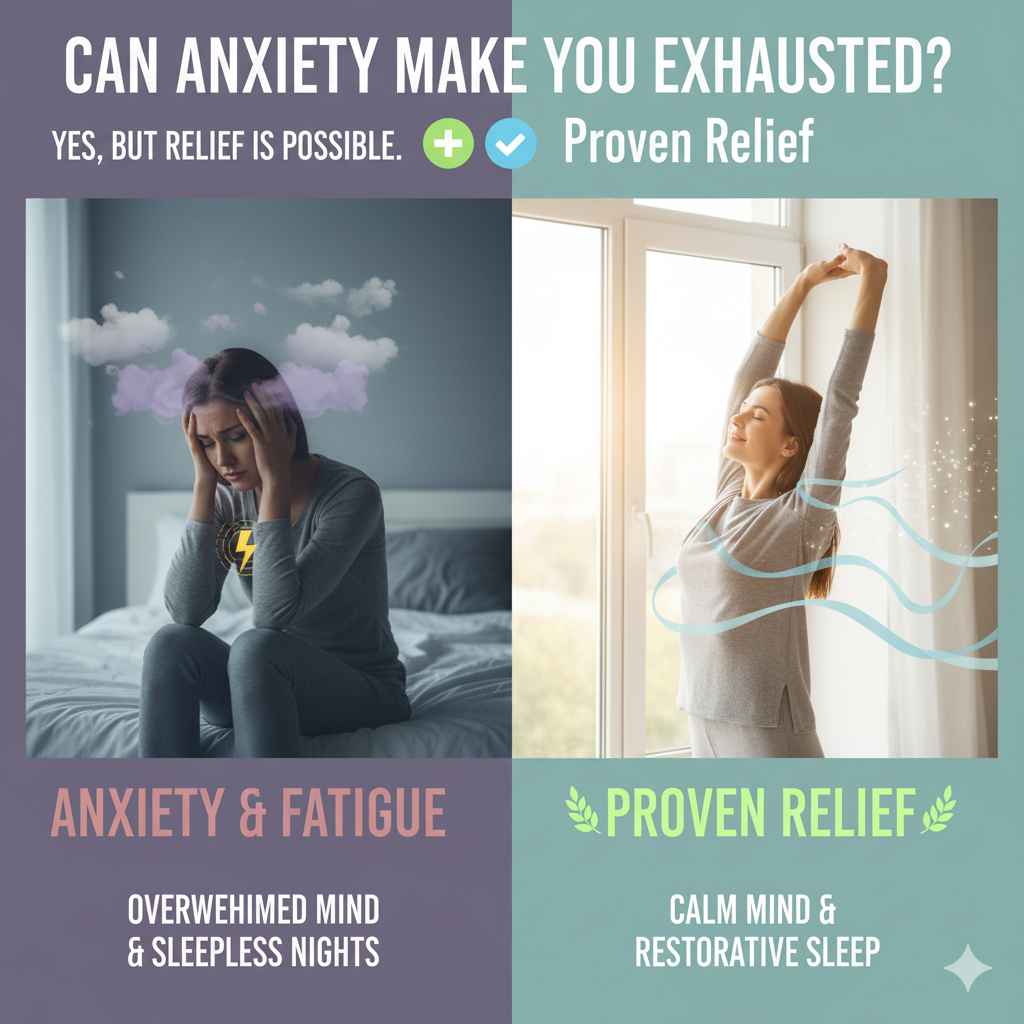
Can Anxiety Make You Exhausted: Proven Relief
Yes, anxiety can absolutely make you exhausted, both mentally and physically. This exhaustion is a common, yet often overlooked, symptom. Our guide explains why this happens and offers simple, proven ways to find relief. Let’s reclaim your energy!
Feeling wiped out, no matter how much you rest? You might be surprised to learn that anxiety can be a major energy drain. It’s like your body is constantly running a marathon, even when you’re just sitting still. This constant feeling of being tired, often called burnout or fatigue, can make everyday tasks feel impossible. But don’t worry, you’re not alone, and there are effective ways to tackle this. We’ll explore why anxiety zaps your energy and guide you through practical steps to feel more alive again.
Understanding the Anxiety-Exhaustion Connection
Anxiety is more than just a feeling of worry. It’s your body’s natural “fight or flight” response kicking into overdrive. When you feel anxious, your body releases a surge of hormones like adrenaline and cortisol. These hormones prepare you to face a perceived threat. This involves increased heart rate, rapid breathing, and heightened senses. While helpful for short bursts, living with ongoing anxiety means your body is constantly in this heightened state. This chronic stress is incredibly taxing.
Think of it like keeping your car’s engine revving at high RPMs all day, every day. It’s bound to wear out the engine and use up a lot of fuel. Your body works in a similar way. The continuous activation of your stress response system requires a tremendous amount of energy. This energy expenditure, coupled with the mental strain of constant worry, leads to profound exhaustion.
The Physiological Toll of Chronic Anxiety
When anxiety becomes chronic, the persistent release of stress hormones can disrupt your body’s natural balance. This sustained “on-alert” state impacts several bodily systems:
- Nervous System Overload: Your sympathetic nervous system, responsible for the fight-or-flight response, is in constant overdrive. This leads to a feeling of being wired but tired, making it hard to relax and recover.
- Sleep Disturbances: Anxiety often interferes with sleep. Racing thoughts, worries, and physical tension can make it difficult to fall asleep, stay asleep, and achieve restorative deep sleep. Poor sleep quality significantly contributes to daytime fatigue.
- Muscle Tension: Chronic anxiety can cause your muscles to remain tense for extended periods. This constant physical strain can lead to aches, pains, and a deep feeling of bodily fatigue.
- Digestive Issues: The stress response can reroute blood flow away from the digestive system. This can lead to issues like irritable bowel syndrome (IBS), indigestion, and decreased nutrient absorption, all of which can contribute to fatigue.
- Nutrient Depletion: When your body is under constant stress, it uses up certain nutrients, like B vitamins and magnesium, at a faster rate. Low levels of these essential nutrients can directly impact your energy production.
This constant drain on your physical and mental resources leaves you feeling perpetually exhausted, even if you haven’t engaged in strenuous activity. It’s a cycle where anxiety causes exhaustion, and exhaustion can, in turn, worsen anxiety.
The Mental and Emotional Exhaustion
Beyond the physical effects, anxiety takes a huge toll on your mental and emotional reserves. Constantly worrying, overthinking, and being on guard requires immense mental effort.
- Cognitive Load: Your brain is working overtime trying to identify and respond to perceived threats. This constant mental effort depletes your cognitive resources, making it harder to concentrate, make decisions, and remember things.
- Emotional Regulation Strain: Managing the intense emotions associated with anxiety – fear, worry, panic – is emotionally draining. It’s like holding back a tidal wave, which takes a significant amount of energy.
- Reduced Motivation: When you’re exhausted, your drive and motivation dwindle. This can lead to procrastination and a feeling of being stuck, which can further fuel anxiety.
- Social Withdrawal: The fatigue and overwhelming nature of anxiety can lead people to withdraw from social activities, which can exacerbate feelings of loneliness and increase anxiety.
This mental and emotional fatigue often manifests as brain fog, irritability, and a general lack of interest in activities you once enjoyed. It’s a feeling of being drained from the inside out.
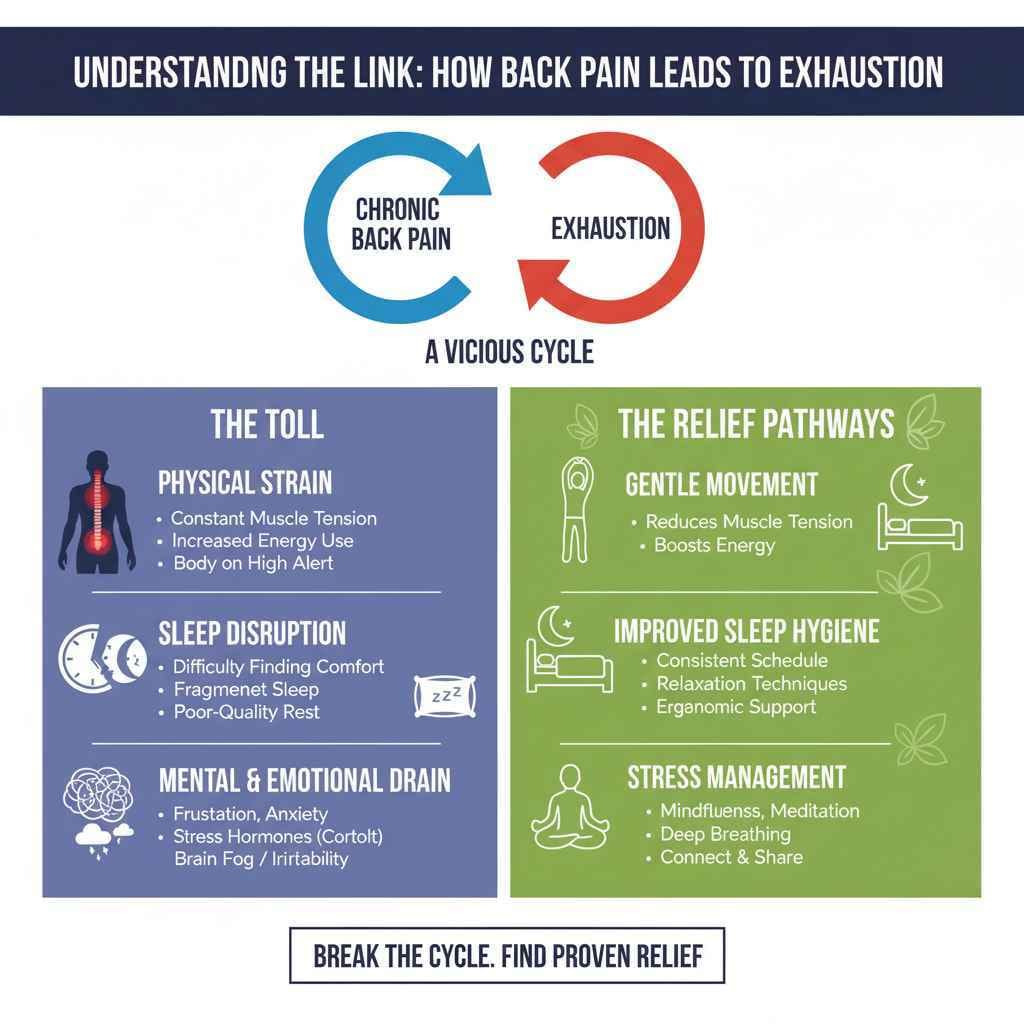
Proven Relief Strategies for Anxiety-Induced Exhaustion
The good news is that you can break this cycle. By implementing targeted strategies, you can reduce anxiety and reclaim your energy. These approaches focus on calming your nervous system, improving sleep, and restoring your mental and physical vitality.
1. Mind-Body Techniques to Calm the Storm
These techniques are designed to directly counteract the stress response and bring your body back into a state of balance.
- Deep Breathing Exercises: This is one of the quickest ways to calm your nervous system. When you practice slow, deep breaths, you signal to your brain that you are safe. Try the 4-7-8 method: inhale for a count of 4, hold for 7, and exhale for 8. Repeat several times. This technique is widely recommended by health professionals for its rapid calming effect.
- Meditation and Mindfulness: Regular meditation practice helps train your brain to be less reactive to anxious thoughts. Mindfulness involves paying attention to the present moment without judgment. Even 5-10 minutes a day can make a difference. Resources like Mindful.org offer guided meditations and helpful articles for beginners.
- Progressive Muscle Relaxation (PMR): This technique involves tensing and then releasing different muscle groups in your body. It helps you become aware of physical tension and learn to release it, promoting physical relaxation and reducing anxiety.
- Yoga and Tai Chi: These gentle forms of exercise combine movement, breath control, and meditation. They are excellent for reducing stress, improving flexibility, and calming the mind.
2. Prioritizing Sleep Hygiene
Quality sleep is crucial for recovery from anxiety and exhaustion. Your body and mind need this time to rest and repair. Making sleep a priority can have a dramatic impact on your energy levels.
- Establish a Consistent Sleep Schedule: Go to bed and wake up around the same time every day, even on weekends. This helps regulateYour body’s natural sleep-wake cycle (circadian rhythm).
- Create a Relaxing Bedtime Routine: Wind down for an hour before bed. Avoid screens (phones, tablets, TVs) as their blue light can interfere with melatonin production. Instead, read a book, take a warm bath, or listen to calm music.
- Optimize Your Sleep Environment: Make sure your bedroom is dark, quiet, and cool. Invest in comfortable bedding.
- Limit Caffeine and Alcohol: Avoid caffeine late in the day and moderate alcohol consumption, as both can disrupt sleep patterns.
- Get Regular Exercise (but not too close to bedtime): Physical activity can improve sleep quality, but intense workouts too close to bedtime can be stimulating. Aim for exercise earlier in the day.
According to the National Sleep Foundation, good sleep hygiene is essential for overall health and well-being, and it’s particularly important when managing anxiety.
3. Lifestyle Adjustments for Sustainable Energy
Small changes in your daily habits can have a big impact on your energy levels and your ability to manage anxiety.
- Balanced Nutrition: A diet rich in whole foods, fruits, vegetables, and lean proteins supports stable blood sugar levels and provides essential nutrients. Avoid processed foods and excessive sugar, which can lead to energy crashes. Staying hydrated is also key!
- Regular Physical Activity: While it might feel counterintuitive when you’re exhausted, gentle to moderate exercise can actually boost energy levels. It releases endorphins, which have mood-lifting and stress-reducing effects. Even a brisk walk can make a difference.
- Time in Nature: Spending time outdoors has been shown to reduce stress hormones, lower blood pressure, and improve mood. A walk in the park or simply sitting in a green space can be incredibly restorative.
- Setting Boundaries: Learning to say “no” to commitments that overextend you is crucial. Protect your time and energy by setting realistic boundaries at work and in your personal life.
- Engaging in Hobbies and Joyful Activities: Make time for things you genuinely enjoy. These activities can be a powerful antidote to anxiety and a source of renewed energy and purpose.
4. Seeking Professional Support
Sometimes, self-help strategies aren’t enough. Professional guidance can provide tailored support and proven therapeutic interventions.
- Therapy (e.g., Cognitive Behavioral Therapy – CBT): CBT is highly effective for anxiety. It helps you identify and challenge negative thought patterns and develop healthier coping mechanisms. Therapists can also teach relaxation techniques and stress management skills. The Anxiety & Depression Association of America (ADAA) offers resources to help you find a qualified therapist.
- Medical Consultation: If your exhaustion is severe or persistent, it’s important to consult a doctor. They can rule out any underlying medical conditions that might be contributing to your fatigue and discuss potential treatment options, including medication if appropriate.
- Support Groups: Connecting with others who understand what you’re going through can be incredibly validating and empowering. Support groups offer a safe space to share experiences and coping strategies.
When Anxiety Shows Up as Fatigue: A Practical Guide
Let’s break down how anxiety can specifically manifest as exhaustion and what you can do about it in practical terms. It’s not just about feeling tired; it’s about a profound lack of energy that impacts your daily functioning.
Recognizing the Signs of Anxiety-Related Exhaustion
It’s easy to dismiss fatigue as just being busy or not getting enough sleep. However, when anxiety is the culprit, the exhaustion often comes with specific accompanying symptoms:
- Constant Tiredness: You feel exhausted even after a full night’s sleep.
- Lack of Motivation: Simple tasks feel overwhelming, and you struggle to get started.
- Brain Fog: Difficulty concentrating, remembering things, or making decisions.
- Irritability: Feeling short-tempered, easily frustrated, or on edge.
- Physical Aches and Pains: Unexplained headaches, muscle tension, or stomach problems.
- Increased Restlessness: Sometimes, anxiety-induced fatigue can paradoxically come with a feeling of restlessness or an inability to relax.
- Emotional Numbness or Overwhelm: Feeling drained to the point of being unable to feel things, or conversely, feeling easily overwhelmed by emotions.
Step-by-Step to Reclaim Your Energy
Here’s a practical, step-by-step approach to tackle anxiety-induced exhaustion. Think of this as a toolkit you can use daily.
Step 1: Acknowledge and Validate Your Feelings
The first step is simply recognizing that anxiety can cause exhaustion. You are not weak or lazy. Your body and mind are responding to stress. Say to yourself, “I am feeling exhausted because of my anxiety, and that’s okay.” This self-compassion is vital.
Step 2: Implement a Quick Calming Technique
When you feel the fatigue and anxiety rising, use an immediate coping strategy. Deep breathing is excellent for this.
- Find a quiet spot.
- Sit or lie down comfortably.
- Close your eyes if it feels good.
- Inhale slowly through your nose for a count of 4.
- Hold your breath for a count of 7.
- Exhale slowly through your mouth for a count of 8.
- Repeat 3-5 times.
Step 3: Small Movements for Big Impact
You don’t need an intense workout. Even gentle movement can help shift your energy.
- Gentle Stretching: Do some simple stretches at your desk or while standing. Focus on releasing tension in your neck, shoulders, and back.
- Short Walk: Step outside for 10-15 minutes. Focus on your surroundings, the air, and the feeling of movement.
- Dance Break: Put on a song you love and just move your body freely for a few minutes.
Step 4: Fueling Your Body Wisely
What you eat and drink directly affects your energy. Make conscious choices.
- Hydration First: Always have water with you. Dehydration is a major energy zapper.
- Balanced Snacks: Opt for snacks that combine protein and complex carbohydrates, like an apple with almond butter, or a small handful of nuts. This provides sustained energy.
- Limit Energy Spikes and Crashes: Reduce intake of sugary drinks and highly processed snacks. These give a quick burst followed by a slump.
Step 5: Create a “Rest and Recharge” Plan
Schedule intentional downtime. This isn’t laziness; it’s essential maintenance.
- Scheduled Breaks: If you work, schedule short breaks every 60-90 minutes. Step away from your task.
- Mindful Downtime: Designate 20-30 minutes each day for pure relaxation. This could be listening to calming music, reading for pleasure, or simply sitting quietly.
- Prioritize Sleep: Make sleep hygiene a non-negotiable.
Tools and Resources for Managing Anxiety Fatigue
Here’s a quick look at helpful tools and resources:
| Category | Tools/Resources | How They Help |
|---|---|---|
| Mindfulness & Meditation | Calm App, Headspace App, Insight Timer | Guided meditations, breathing exercises, sleep stories to calm the mind and body. |
| Physical Well-being | Yoga mats, comfortable walking shoes, water bottles | Facilitate gentle exercise, hydration, and connection with nature. |
| Sleep Aids | Blackout curtains, earplugs, white noise machines | Create an optimal sleep environment for restorative rest. |
| Journaling | Notebook and pen | Helps to process thoughts and feelings, reducing mental clutter. |
| Professional Support | Online therapy platforms (BetterHelp, Talkspace), ADAA directory | Access to licensed therapists and mental health professionals. |
When to Consider Professional Help
If your exhaustion is debilitating, significantly impacting your work or relationships, or if you’re experiencing other severe anxiety symptoms like panic attacks, it’s time to seek professional help. A doctor can rule out other medical causes for fatigue, while a therapist can provide strategies for managing anxiety. Don’t hesitate to reach out for support – it’s a sign of strength.

Frequently Asked Questions (FAQ)
Q1: Can anxiety literally make you feel physically tired?
A: Absolutely. Your body’s constant stress response uses up a lot of energy, leading to physical exhaustion. It’s like your body is always in a state of high alert, which is incredibly taxing over time.
Q2: How quickly can anxiety cause fatigue?
A: For some, fatigue can set in relatively quickly after a period of intense anxiety. For others, it’s a gradual build-up from chronic, low-level anxiety that slowly depletes their energy stores.
Q3: Is anxiety-related exhaustion the same as depression fatigue?
A: While both can cause significant fatigue, the underlying mechanisms and accompanying symptoms can differ. Anxiety fatigue often comes with restlessness and a feeling of being “wired but tired,” while depression fatigue may be more associated with low mood and a lack of interest.
Q4: Will exercise make my anxiety-induced exhaustion worse?
A: Not necessarily. Gentle to moderate exercise can actually boost your energy and reduce anxiety. However, it’s important not to overdo it, as intense exercise could be counterproductive when you’re already depleted. Listen to your body.
Q5: How can I tell if my fatigue is from anxiety or something else, like a medical condition?
A: If you’re experiencing persistent, unexplainable fatigue, it’s always best to consult a doctor. They can run tests to rule out medical causes such as thyroid issues, anemia, or vitamin deficiencies. If no medical cause is found, anxiety is a likely contributor.


