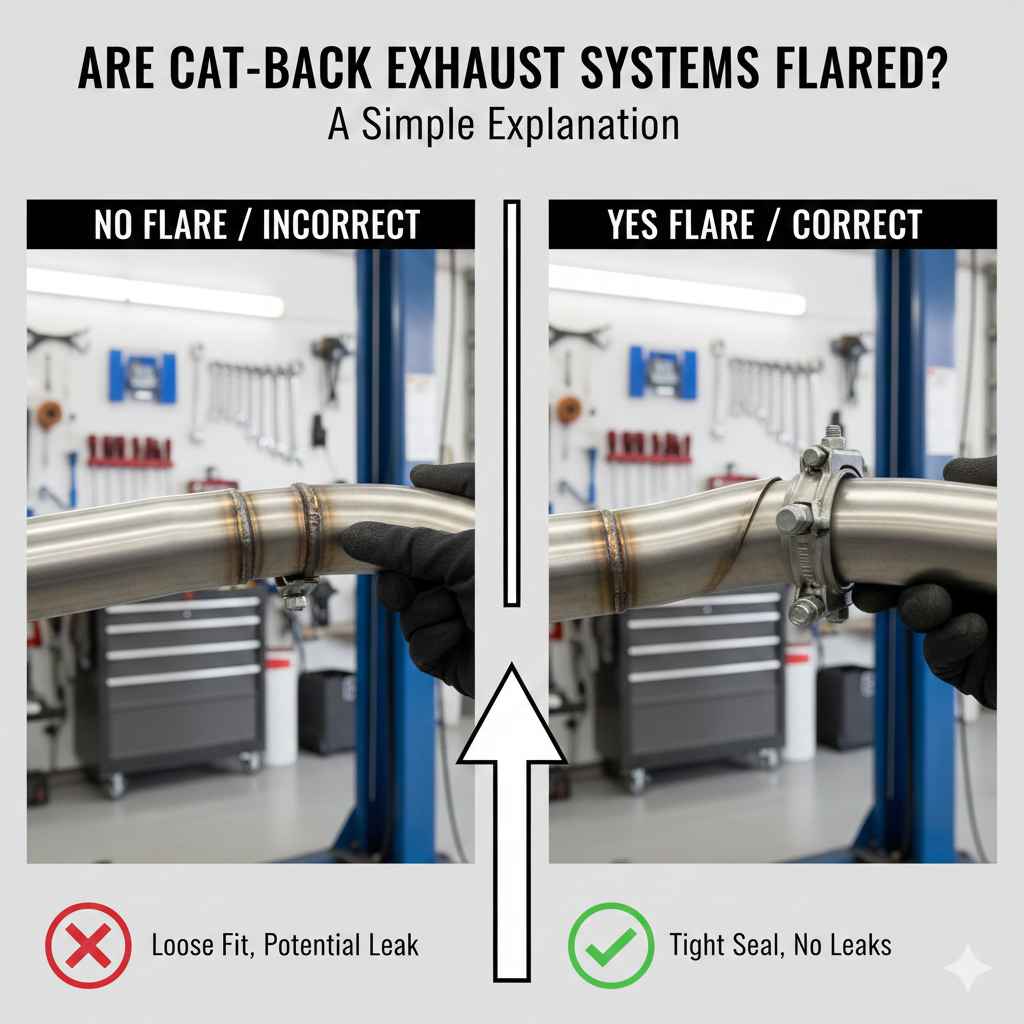
Are Cat-Back Exhaust Systems Flared? A Simple Explanation
If you’re wondering, Are Cat-Back Exhaust Systems Flared?, you’re not alone! This question often pops up when people start learning about car modifications. It might seem tricky at first, with all the technical jargon. But don’t worry, it’s really not that hard. This article will break it down in a way that’s easy to grasp. We’ll explore how these systems work and what to watch for, step by step. Get ready to have your questions answered, so let’s jump right in!
What Are Cat-Back Exhaust Systems?
Cat-back exhaust systems are a popular upgrade for cars, aiming to boost performance and improve sound. These systems replace the exhaust components from the catalytic converter (or “cat,” which cleans exhaust fumes) back to the tailpipe. They’re called “cat-back” because they start after the catalytic converter. This design allows for easier installation compared to full exhaust systems that involve removing the catalytic converter itself, which is often regulated.
The main goal is to reduce backpressure in the exhaust, which can restrict engine performance. A less restrictive system lets the exhaust gases flow more freely, potentially resulting in gains in horsepower and torque. Different materials can also be used, like stainless steel, which adds to the system’s durability and visual appeal. This makes it a common modification for both daily drivers and performance enthusiasts. They’re a simple way to give a vehicle a little extra power.
Key Parts of a Cat-Back System
- Piping: This is the main section of the exhaust. It’s usually made from materials like aluminized steel or stainless steel, and it directs exhaust gases out of the vehicle. Piping is usually designed for a better flow than the factory system.
- Muffler: The muffler helps reduce the noise from the exhaust. Different muffler designs, like straight-through or chambered, can affect the sound and flow characteristics of the system. This directly impacts the noise level coming out of your car.
- Resonator (Optional): Some cat-back systems include a resonator. It is designed to further refine the exhaust sound, eliminating specific frequencies that can cause unwanted noise. Resonators help fine-tune the exhaust note and minimize any drone.
- Tailpipes: These are the final sections of the exhaust, and they are visible from the rear of the car. Tailpipes often come with different styles like dual tips or single tips, and affect the vehicle’s appearance. Many aftermarket systems provide different tip options.
The parts of a cat-back system work together to efficiently remove exhaust while enhancing the sound and performance. Each component plays a part in the overall effectiveness and audio profile of the system. The specific parts can vary depending on the vehicle and the manufacturer.
Materials Used in Cat-Back Systems
The choice of materials is important when it comes to cat-back exhaust systems. This choice influences durability, performance, and appearance. Common materials are steel, stainless steel, and sometimes titanium. Each has its pros and cons in terms of cost, strength, and corrosion resistance. The selection of materials impacts performance.
- Aluminized Steel: Aluminized steel is a more affordable option. It has a coating of aluminum that gives some corrosion resistance. It is often a great choice for those who are budget-conscious.
- Stainless Steel: Stainless steel is a popular choice for cat-back exhaust systems due to its high corrosion resistance and appearance. It can withstand high temperatures and is durable. It’s available in several grades, with 304 stainless being a common choice.
- Titanium: Titanium is the top-tier choice. It is lightweight, incredibly strong, and extremely resistant to corrosion. Titanium systems are very expensive but offer excellent performance advantages.
- Carbon Fiber: In some cases, carbon fiber is used for exhaust tips. Carbon fiber is known for its lightweight properties and sleek appearance. Carbon fiber is common with performance-oriented applications.
Material selection significantly affects the lifespan and the performance qualities. Choosing the right material depends on your budget, driving conditions, and performance goals. Choosing the right material can boost longevity and sound profile. Stainless steel usually strikes a good balance between cost and performance.
Does a Cat-Back System Enhance Performance?
Yes, a cat-back exhaust system can improve your car’s performance, but the gains may not always be huge. These systems focus on reducing backpressure in the exhaust, making it easier for exhaust gases to exit the engine. This can lead to some improvements in horsepower and torque, particularly in the mid- to high-RPM ranges. But, the actual gains depend on several factors, including the existing exhaust system, the engine’s design, and other modifications made to the vehicle.
Cat-back systems also offer a performance advantage because of the materials. By using less restrictive mufflers and wider diameter piping, they allow the engine to breathe more freely. This improved exhaust flow can help the engine run more efficiently and deliver more power. It is generally combined with other upgrades to realize significant performance gains. The result is better throttle response and potentially a slight increase in acceleration.
Horsepower and Torque Gains
- Horsepower Increase: Depending on the vehicle and system, you might see horsepower gains of 5-15 HP. These gains are usually more noticeable at higher RPMs.
- Torque Improvement: Torque, which is the force that turns the engine, may also see an increase, often in a similar range. Torque boosts give your car better acceleration from a stop.
- Engine Efficiency: Reduced backpressure results in more efficient combustion. This means more of the fuel’s energy is used to power the car. Improved efficiency leads to better performance.
- Performance Synergy: Cat-back systems work especially well when combined with other upgrades, like cold air intakes or engine tuning. Pairing modifications is often required to realize full potential.
The impact on horsepower and torque is affected by the design of the cat-back system. Systems with larger diameter piping and free-flowing mufflers usually yield better results. However, it’s very important to note that the gains from a cat-back system alone are often modest. Expecting massive changes is unrealistic. You’re likely to see a noticeable difference in sound and possibly a slight improvement in the vehicle’s overall performance.
Real-World Examples of Performance Enhancement
- Case Study 1: Honda Civic Si: A user
- Case Study 2: Ford Mustang GT: A Ford Mustang GT owner installed a cat-back system. Dyno results showed a gain of 12 horsepower and 10 lb-ft of torque. The owner mentioned the exhaust system also reduced backpressure, which allowed for better performance.
These examples provide a glimpse of the benefits a cat-back system can offer. Actual results vary from vehicle to vehicle. However, the changes are often real.
Are Cat-Back Exhaust Systems Flared? What You Need to Know
The question, Are Cat-Back Exhaust Systems Flared?, relates to the shape and construction of the pipes used in these systems. Flaring, or expanding the pipe ends, is a common technique that affects how the system connects to other parts, like the catalytic converter or the muffler. This is an important part of the design, and understanding it can help you choose the right cat-back system for your car.
Flaring typically creates a wider opening at the end of a pipe. This is done to help parts fit together, particularly at the joints. By increasing the diameter, the system ensures a better seal and connection between the various components. This helps prevent leaks and ensures the exhaust gases flow correctly. This ensures durability, along with proper fitment, and the overall functionality of the exhaust system.
Flaring Techniques and Designs
- Slip-Fit: This is a common flaring method where one pipe end is slightly wider than the other so that they can slip over one another. Clamps are then used to secure the connection. It makes the installation and removal easier.
- Welded: Some systems use a flared end that is welded to another component. Welding provides a very secure and permanent connection. This reduces the risk of leaks, but it makes disassembly more difficult.
- Flange Connections: Flange connections involve a flat, flared end on the pipe. These are bolted together, creating a strong seal. This type of connection is common at the catalytic converter.
- Ball and Socket: This connection uses a ball-shaped end and a socket-shaped opening. This type of design allows for some flexibility and movement, which is helpful to manage vibrations.
The flaring method can impact the ease of installation. It also impacts the overall performance and sound characteristics. Choosing the right flare design depends on the specific requirements of the vehicle and the cat-back system design.
The Importance of Proper Flaring
- Ensuring a Tight Seal: Good flaring is critical for preventing exhaust leaks. Leaks reduce system efficiency and can be harmful. A good seal ensures exhaust flows out only through the tailpipe.
- Maintaining Backpressure: Correct flaring helps to maintain optimal exhaust backpressure levels. Proper backpressure is required for the engine’s performance. The design helps in regulating backpressure.
- Ease of Installation: Proper flaring makes installing the system much easier. It ensures the pipes fit together correctly. This helps make the installation process quicker and less complex.
- Durability: Well-flared joints are less prone to breaking or coming loose over time. Strong connections increase the exhaust system’s lifespan.
Flaring contributes to the performance and reliability. Poor flaring can cause leaks, which reduce efficiency. Well-designed flaring ensures that the exhaust system performs at its best. Taking these factors into account can help make sure you get the best out of your cat-back system.
Installation and Considerations
Installing a cat-back exhaust system is usually something a handy person can do, though it varies. It’s often more straightforward than replacing other exhaust components, as you are working with the section after the catalytic converter. The procedure involves removing the old exhaust and fitting the new system. Careful attention to detail will ensure a leak-free and optimal performance. If you’re not comfortable working with vehicles, getting help is always a good option.
Before beginning, you should carefully read all the instructions. It’s also helpful to have the right tools. Common tools are wrenches, sockets, a jack, jack stands, and penetrating oil. Make sure the vehicle is safely supported. This will help you work without any issues. Following the steps can help you complete the installation correctly.
Step-by-Step Installation Guide
- Preparation:
- Park the vehicle on a level surface.
- Set the parking brake.
- Raise the vehicle safely. Use a jack and jack stands.
- Removing the Existing Exhaust:
- Spray penetrating oil on the exhaust bolts and connections.
- Unbolt or cut the existing exhaust system.
- Remove the exhaust hangers from the rubber mounts.
- Carefully remove the old exhaust.
- Installing the New Cat-Back System:
- Attach the new piping sections.
- Use the provided clamps and bolts.
- Hang the muffler and align the tailpipes.
- Install any included resonators.
- Finalizing the Installation:
- Tighten all clamps and bolts.
- Double-check all connections.
- Lower the vehicle.
- Start the engine and check for leaks.
Following this guide makes the process easier. Safety is a top concern. Following the procedure carefully helps you successfully fit the cat-back exhaust system.
Potential Problems and Solutions
- Exhaust Leaks: Exhaust leaks can occur at connections if the clamps are not tight enough. To solve this, make sure all clamps are tightened to the correct torque.
- Improper Fitment: Some systems might not fit perfectly. To handle this, double-check that you have the correct parts. You might need to adjust the hangers or cut the pipes.
- Clearance Issues: Pipes can hit other parts of the vehicle. Inspect for any contact and adjust the exhaust system. Use heat shields if needed.
- Sound Issues: A cat-back system can sometimes produce unwanted sounds. If this happens, adjust the exhaust system. Check for any contact, which can cause the vibrations.
Problems can appear. Addressing these problems is vital. With some care, you can fix issues and ensure the system works well.
Frequently Asked Questions
Question: Will a cat-back system void my vehicle’s warranty?
Answer: It depends. While a cat-back system won’t automatically void your warranty, the manufacturer may deny a claim if the exhaust system is directly linked to the issue. It’s best to consult your warranty documentation or contact your dealer for clarification.
Question: Do I need to reprogram my car’s computer after installing a cat-back system?
Answer: Generally, no. Cat-back systems typically don’t require reprogramming. However, if you add other modifications, like a cold air intake, it’s best to have your car tuned for the best performance.
Question: Are there any emissions regulations I need to consider?
Answer: Yes. Make sure your cat-back system is legal in your area. States often have guidelines on emissions. Always make sure the system you choose is designed to meet local laws.
Question: How often should I inspect my cat-back exhaust system?
Answer: Inspect your cat-back system regularly. Check for leaks, rust, or damage. Do this at least every six months. Check it whenever you get your oil changed or do other regular maintenance.
Question: Can I install a cat-back system myself, or do I need a mechanic?
Answer: Many people can install a cat-back system at home. It’s an intermediate level of car repair. However, if you are not comfortable with car repairs, consider getting a mechanic to install the system for you.
Final Thoughts
So, Are Cat-Back Exhaust Systems Flared? Yes, they often are, and understanding why helps you choose the right system for your vehicle. We’ve explored what cat-back systems are, how they work, and what advantages they offer in terms of performance and sound. They can enhance your car’s look and driving experience. The installation process is often manageable for DIYers. The importance of proper flaring, the choice of materials, and how to troubleshoot potential issues have also been discussed.
If you’re thinking about upgrading your car’s exhaust, now you have a good starting point. Research your vehicle’s specifications. Select a high-quality system that fits. Taking the time to consider all of these factors can help you make an informed decision. With a little effort, you can improve your car’s performance. Now you are one step closer to making the right choice.