How to Remove Baffle from Two Brothers Exhaust
Lots of motorcycle riders want to make their bikes sound a bit louder or change the tone of their exhaust. For those with a Two Brothers Racing exhaust, taking out the baffle is a common goal. If you’re new to this, it might seem a little tricky at first.
But don’t worry! This guide will show you exactly how to do it step by step. We’ll make it super simple so you can get your exhaust sounding just the way you like it.
Let’s get started on making that exhaust roar.
Understanding Your Two Brothers Exhaust Baffle
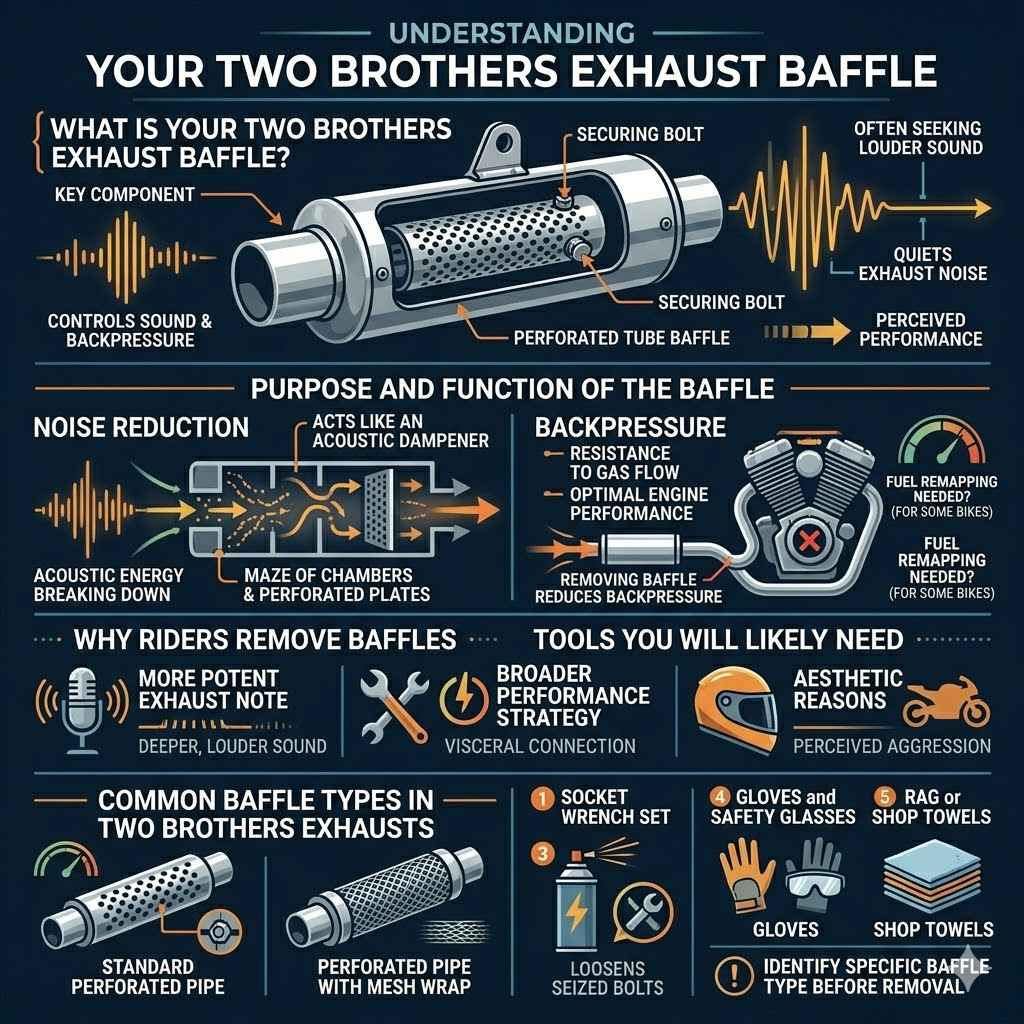
The baffle in your Two Brothers exhaust system is a key component that helps control the sound and sometimes the backpressure of your engine. It’s essentially a perforated tube or a set of baffles inside the muffler designed to quiet down the exhaust noise. Riders often seek to remove it to achieve a louder, more aggressive sound that many associate with performance motorcycles.
Understanding its function is the first step before attempting removal. This section will break down what the baffle does, why you might want to remove it, and what tools you’ll likely need. We’ll also touch on different types of baffles you might encounter.
Purpose and Function of the Baffle
The primary role of a baffle is noise reduction. It works by redirecting exhaust gases through a maze of chambers and perforated plates. This process absorbs sound energy, breaking down the loud, sharp exhaust pulses into quieter, more diffused sounds.
Think of it like an acoustic dampener for your motorcycle’s engine.
Beyond just muffling sound, baffles can also influence exhaust backpressure. Backpressure is the resistance to exhaust gas flow. Some level of backpressure is necessary for optimal engine performance, particularly in certain engine designs.
Removing the baffle can significantly reduce backpressure, which might affect how your engine runs. For some bikes, this change can lead to a need for fuel remapping or a tuner to compensate for the altered airflow.
Why Riders Remove Baffles
The desire for a more potent exhaust note is the leading reason riders remove baffles. A deeper, louder sound can enhance the riding experience for many, providing a more visceral connection to the machine. It’s also often sought for aesthetic reasons, as a louder exhaust is sometimes perceived as more aggressive and performance-oriented.
For some, removing the baffle is also part of a broader performance modification strategy. While not always the case, a less restrictive exhaust can theoretically allow the engine to breathe more freely, potentially leading to minor performance gains, especially when combined with other upgrades like an aftermarket air filter or engine tuning.
Common Baffle Types in Two Brothers Exhausts
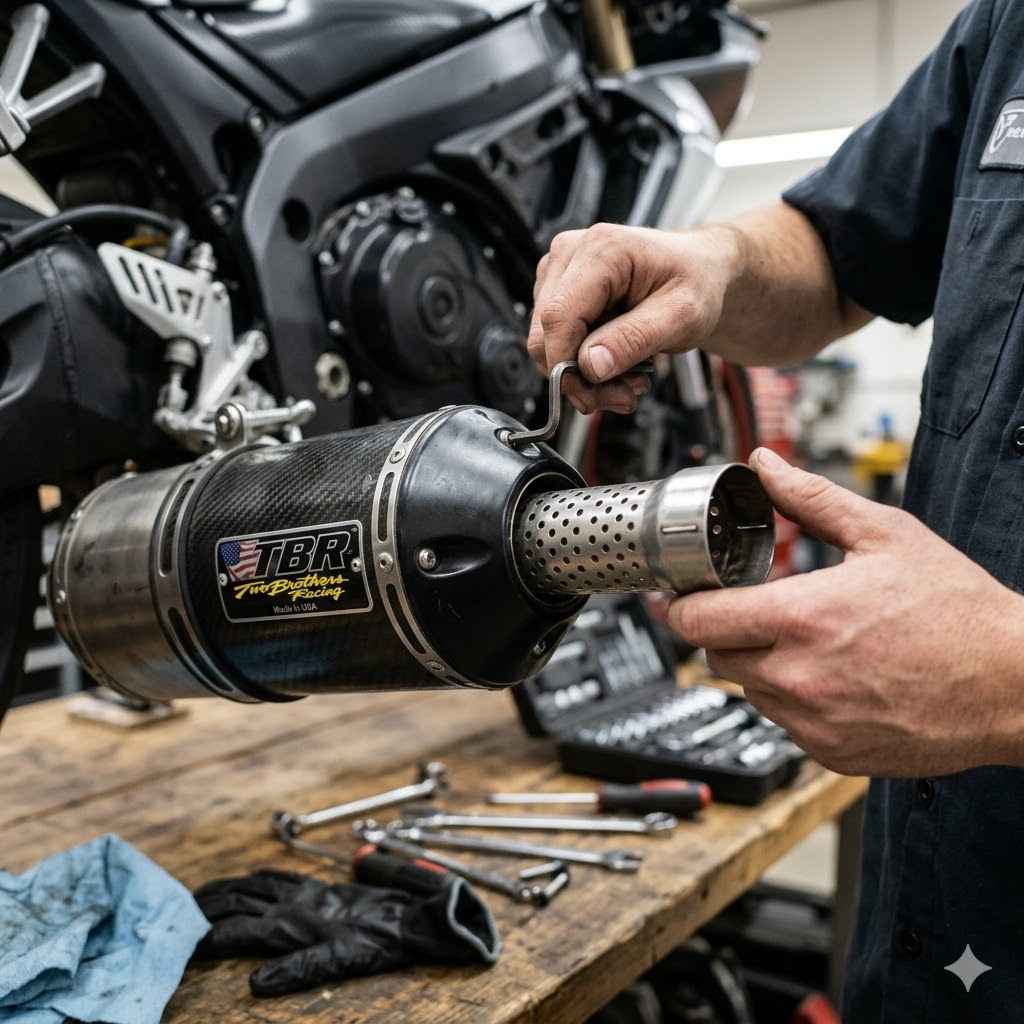
Two Brothers Racing typically uses a removable baffle system. The most common type is a simple perforated pipe that slides into the end of the muffler and is secured by a bolt. Some older or specific models might have a slightly different design, but the principle of a removable insert remains consistent.
The baffle itself is usually made of metal and may have a wire mesh wrap around it for additional sound dampening. Identifying the specific type of baffle your exhaust has is important as it dictates the exact removal process. Most Two Brothers baffles are designed for user removal, making the process generally straightforward.
Tools You Will Likely Need
- Socket wrench set: This is essential for removing the bolt that secures the baffle. You’ll need the correct socket size for the bolt head.
- Allen wrench or hex key set: Some Two Brothers systems use an Allen bolt instead of a standard hex head bolt. Ensure you have the appropriate sizes.
- Penetrating oil: If the bolt is old or has been exposed to the elements, it might be seized. A good penetrating oil can help loosen it.
- Gloves and safety glasses: Always protect yourself from grease, dirt, and any potential debris.
- Rag or shop towels: For cleaning up any grease or oil.
Having these basic tools readily available will make the process much smoother. It’s always better to be prepared with the right equipment before you start.
Step-By-Step Guide How to Remove Baffle from Two Brothers Exhaust
This section is your practical guide to getting that baffle out. We’ll break down the process into simple, actionable steps, making it easy to follow even if you’ve never done this before. Each step is designed to be clear and concise, ensuring you can successfully modify your exhaust.
We will cover preparation, the actual removal, and what to do after the baffle is out. Following these steps will help you achieve that desired exhaust note safely and efficiently.
Preparing Your Motorcycle and Exhaust
Before you start, it’s crucial to prepare your motorcycle properly. This ensures your safety and prevents damage to your bike. First, make sure your exhaust system is cool to the touch.
A hot exhaust can cause severe burns. It’s best to let your bike sit for at least an hour after riding, or even better, perform the modification when the bike is cold.
Next, locate the exhaust baffle. On most Two Brothers exhausts, the baffle is visible at the very end of the muffler, often secured by a single bolt. You might need to get down low to see it clearly.
Ensure you have good lighting in your work area.
Securing the Motorcycle
- Park your motorcycle on a level, stable surface. A solid, flat ground is essential for safety.
- Use the kickstand to keep the bike upright. If you have a center stand, that’s even better as it provides more stability.
- For extra security, especially if you’ll be applying any force, consider using tie-downs to secure the motorcycle to a sturdy object. This prevents it from tipping over while you’re working.
Safety is paramount. A bike that shifts or falls while you’re working on the exhaust can lead to injury or damage.
Locating and Accessing the Baffle Bolt
The baffle is typically held in place by one or two bolts at the rear of the muffler. You’ll need to identify these specific bolts. They are usually smaller than other bolts on the exhaust system and are clearly there to secure the baffle insert.
Sometimes, these bolts can be recessed, meaning they are set into a hole. In such cases, you might need a specific type of socket or extension to reach them. Take a moment to visually inspect the end of your muffler to pinpoint the exact location and type of bolt used.
Step-by-Step Removal Process
- Identify the baffle bolt(s). Look for the bolt(s) at the very end of the muffler that seem to be holding the inner silencing insert.
- Apply penetrating oil if needed. If the bolt looks rusty or old, spray a small amount of penetrating oil around the bolt head and let it sit for a few minutes to work its way in. This helps loosen any corrosion.
- Loosen the baffle bolt(s). Using the correct size socket wrench or Allen key, carefully turn the bolt counter-clockwise. Apply steady pressure. If the bolt is tight, try wiggling the wrench slightly to help break it free.
- Remove the bolt(s). Once loosened, unscrew the bolt(s) completely by hand. Keep them in a safe place, like a small container or your pocket, so you don’t lose them.
- Gently pull the baffle out. In most cases, the baffle should now slide or pull out of the muffler opening. You might need to use a bit of gentle wiggling. If it’s stuck, do not force it too aggressively. Sometimes, a light tap with a rubber mallet on the end of the muffler can help dislodge it.
- Inspect the baffle. Once out, you can examine the baffle itself. You’ll see its perforated design meant for sound reduction.
If you plan on re-installing the baffle later, keep it in a safe place. Many riders keep their original baffles for when they might need to quiet the bike down or for resale purposes.
Reassembly and Post-Removal Checks
After successfully removing the baffle, you may want to re-install the bolt to keep the exhaust opening sealed and prevent dirt from entering. Some people prefer to leave it out if they don’t plan on re-installing the baffle soon. However, securing the opening is generally a good idea.
The most significant change you will notice is the sound. Start your motorcycle and listen to the new exhaust note. It should be noticeably louder and deeper.
Be aware that in some areas, loud exhausts can lead to fines, so be mindful of local regulations.
Starting the Engine and Listening
- Once the baffle is out and any necessary reassembly (like re-inserting the bolt) is done, start your motorcycle.
- Listen carefully to the exhaust sound. It should be a much more pronounced tone than before.
- Let the engine idle for a minute or two. Pay attention to any new sounds or vibrations.
The change in sound is usually immediate and quite dramatic. It’s a rewarding moment for many riders who have undertaken this modification.
Potential Adjustments and Considerations
Removing the baffle can sometimes affect how your engine runs due to changes in exhaust flow and backpressure. For some motorcycles, this might lead to a slightly rougher idle, popping sounds during deceleration, or a noticeable loss of low-end torque.
If you experience significant running issues, it might be necessary to adjust your fuel mapping. This often involves using a fuel controller or ECU reflash. Many aftermarket exhaust manufacturers, including Two Brothers, offer specific tuning kits or recommendations for their systems when baffles are removed.
Consulting your motorcycle’s manual or a qualified mechanic is a good idea if you are unsure about engine performance changes.
Troubleshooting Common Issues During Removal
Even with a straightforward process, you might run into a few snags when trying to remove the baffle from your Two Brothers exhaust. The most common problems usually involve a stubborn bolt or a baffle that’s difficult to extract. This section will cover these common issues and provide practical solutions so you can overcome them and complete the modification successfully.
Stuck Baffle Bolt Solutions
A bolt that won’t budge is the most frequent challenge. This can happen due to rust, over-tightening, or debris getting into the threads. The first step, as mentioned, is using a good penetrating oil.
Let it soak for a while, maybe 15-30 minutes, or even overnight for severely rusted bolts.
If the oil doesn’t work, try using a longer wrench or a breaker bar for more leverage. Applying steady, consistent force is better than short, sharp jerks, which can strip the bolt head. You can also try gently tapping the end of the wrench with a hammer while applying pressure.
Sometimes, heat can help expand the metal slightly, making it easier to turn. A heat gun (not a torch, which can damage the muffler) applied carefully to the area around the bolt can be effective.
Dealing with Stripped Bolt Heads
If the bolt head starts to strip, stop trying to force it with the wrench. You might need to use a bolt extractor kit. These kits typically involve drilling a small pilot hole into the center of the bolt and then using a reverse-threaded extractor to bite into the bolt and unscrew it.
Another option is to use pliers with a strong grip, like vice grips, to clamp onto the bolt head firmly and try to turn it. If the bolt is completely mangled, you might have to resort to carefully cutting a new slot into the bolt head with a Dremel tool or hacksaw and then using a flathead screwdriver.
Difficult Baffle Extraction
Once the bolt is out, the baffle itself might be stuck inside the muffler. This can occur if carbon buildup or corrosion has caused it to seize. Avoid using excessive force, as you could damage the muffler.
Try rotating the baffle back and forth gently. If you can get a little movement, apply more penetrating oil. Sometimes, using a wooden dowel or a rubber mallet to tap lightly on the inside edge of the baffle can help break it loose.
If the baffle has a lip, you might be able to pry it out gently with a flathead screwdriver, but be very careful not to scratch or dent the muffler’s interior.
When to Seek Professional Help
If you’ve tried these methods and are still struggling, or if you’re not comfortable with any of the more advanced techniques, it’s always best to take your motorcycle to a professional mechanic. They have specialized tools and experience to handle seized parts without causing damage. A local motorcycle shop can usually perform this service quickly and affordably.
There’s no shame in asking for help. It’s better to have a professional fix it than to risk damaging your expensive exhaust system.
The Sound and Performance Impact
After you’ve successfully removed the baffle, the most immediate and noticeable change will be the sound of your motorcycle’s exhaust. This section will explore the new auditory experience and discuss how the removal might affect your bike’s performance. Understanding these impacts helps you appreciate the modification and be aware of any potential adjustments needed for optimal riding.
Auditory Changes and Rider Experience
Removing the baffle from a Two Brothers exhaust dramatically increases the volume and deepens the tone. The roar becomes more pronounced, giving the motorcycle a more aggressive and powerful sound. Many riders find this enhances their connection to the machine, making the riding experience more thrilling.
This amplified sound is not just for show; it can also contribute to rider safety. A louder exhaust makes your presence more known to other vehicles, especially at lower speeds or when filtering through traffic. This increased audibility can alert drivers and pedestrians to your approach, potentially preventing accidents.
However, it’s important to be aware of local noise ordinances.
Comparing Stock vs. Baffle-Removed Sound
| Exhaust State | Sound Description | Typical Decibel Level (Approximate) |
|---|---|---|
| Stock (with baffle) | Muffled, quiet, subdued | 75-85 dB |
| Baffle Removed | Loud, deep, aggressive, throaty | 90-100+ dB |
The difference in decibels is significant. The stock exhaust is designed to meet strict noise regulations, while removing the baffle unleashes the exhaust’s true potential sound. This level of sound can be exhilarating for riders but might be too much for some, or for casual riding in residential areas.
Performance Implications
The impact of baffle removal on performance is often a topic of debate. In many cases, removing the baffle leads to a reduction in exhaust backpressure. This means exhaust gases can exit the engine more freely.
For some engines, particularly those designed with specific backpressure requirements, this reduced resistance can lead to a slight improvement in high-RPM power. However, it can also sometimes result in a loss of low-RPM torque. This is because some backpressure is beneficial for scavenging exhaust gases and improving cylinder filling at lower engine speeds.
Impact on Engine Tuning and Fueling
When you significantly alter the exhaust flow, the air-fuel mixture in your engine can be affected. An engine’s computer (ECU) is programmed to deliver a specific amount of fuel based on the expected exhaust flow. If the exhaust flow increases dramatically due to baffle removal, the engine might run leaner than intended.
A lean mixture can cause several issues, including engine overheating, pre-ignition (knocking), and reduced engine life. To counter this, many riders choose to re-map their ECU or install an aftermarket fuel controller. This allows them to adjust the fuel delivery to match the new exhaust characteristics, optimizing performance and protecting the engine.
Two Brothers Racing often recommends specific tuning solutions for their exhaust systems when the baffle is removed.
Real-World Performance Gains
Anecdotal evidence from riders suggests that for many sportbikes and cruisers, removing the baffle without any other modifications results in minimal, if any, noticeable horsepower gains. The most significant change is the sound.
However, when baffle removal is combined with other modifications such as an aftermarket air filter and an ECU reflash or fuel controller, the overall performance package can yield substantial improvements. A common scenario involves a 600cc sportbike where, after installing a full aftermarket exhaust system with the baffle removed, an upgraded air filter, and a custom tune, riders report an increase of 5-10 horsepower. This often translates to quicker acceleration and a more responsive throttle.
Legality and Environmental Considerations
It is crucial to be aware of the legal implications of removing your exhaust baffle. Many jurisdictions have noise level regulations for vehicles. Removing the baffle often pushes the exhaust sound beyond these legal limits.
Riding with an excessively loud exhaust can result in tickets, fines, and even having your motorcycle impounded.
Furthermore, while the direct environmental impact of removing a baffle might be minimal in terms of emissions (as the catalytic converter is usually further upstream), the increased noise pollution can affect communities. Riders have a responsibility to be considerate of their surroundings and adhere to local laws.
Maintaining Your Two Brothers Exhaust After Baffle Removal
Once you’ve successfully removed the baffle from your Two Brothers exhaust, ongoing maintenance is still important to keep your system in good condition. This section covers what you need to know about caring for your exhaust after this modification, ensuring it continues to perform and look great.
Cleaning and Polishing
Your exhaust system, especially after modifications, benefits from regular cleaning. Dirt, road grime, and exhaust residue can build up over time and dull its finish. Start by washing the exhaust with mild soap and water.
For stubborn carbon deposits, a dedicated exhaust cleaner can be very effective.
After cleaning, polishing can restore shine and protect the metal. Use a metal polish specifically designed for motorcycle exhausts. Many riders opt for stainless steel or titanium exhausts, which are durable and relatively easy to maintain.
Regular polishing will prevent discoloration and keep your exhaust looking its best.
Preventing Discoloration
Exhaust systems, particularly those made of stainless steel, can develop blue or rainbow discoloration from heat. This is a normal process, but it can be minimized. Regular cleaning and polishing help.
Applying a ceramic coating designed for exhaust systems can provide a protective layer that resists heat and makes cleaning easier. Some coatings also help maintain a uniform, bright finish. While this might seem like an extra step, it can significantly prolong the aesthetic appeal of your exhaust.
Inspection for Damage or Wear
Periodically inspect your exhaust system for any signs of damage, such as cracks, dents, or loose fittings. Pay close attention to the area where the baffle was removed, as well as the muffler mounting points and exhaust headers.
Check for any signs of exhaust leaks, which can manifest as dark sooty marks around the joints. Leaks can reduce performance and potentially be dangerous. If you notice any issues, address them promptly.
Small problems can become bigger and more expensive to fix if ignored.
Re-installation of the Baffle
There might be times when you need or want to re-install the baffle. This could be for a long ride through a noise-sensitive area, for an inspection, or if you decide the louder sound is too much for everyday use. The process of re-installation is simply the reverse of removal.
Slide the baffle back into the muffler opening and secure it with the original bolt(s). Ensure the bolt is tightened sufficiently, but do not overtighten, as this can strip the threads. If you’ve lost the original bolt, make sure to get a

Frequently Asked Questions
Question: Is removing the baffle from my Two Brothers exhaust legal?
Answer: Legality varies greatly by location. Many areas have strict noise limits for vehicle exhausts, and removing a baffle almost always makes the exhaust louder, potentially exceeding these limits. Check your local laws and regulations before riding.
Question: Will removing the baffle damage my motorcycle engine?
Answer: In most cases, removing a baffle alone will not directly damage your engine. However, it can alter the air-fuel mixture. If the mixture becomes too lean, it can lead to overheating and potential long-term engine damage.
Many riders opt for an ECU reflash or fuel controller to optimize performance and prevent issues.
Question: How much louder will my exhaust be after removing the baffle?
Answer: Expect a significant increase in volume and a deeper, more aggressive tone. The change is usually quite dramatic, often increasing decibel levels by 10-15 dB or more, depending on the specific exhaust model and motorcycle.
Question: Can I re-install the baffle if I decide I don’t like the sound?
Answer: Yes, most Two Brothers exhausts are designed with removable baffles. You can typically re-install the baffle by simply sliding it back into the muffler and securing it with the original bolt(s).
Question: What tools do I need to remove the baffle?
Answer: You will generally need a socket wrench set with the correct size socket for the baffle bolt, and possibly an Allen wrench if it’s an Allen bolt. Penetrating oil is also recommended for any stubborn bolts.
Summary
Removing the baffle from your Two Brothers exhaust is a popular modification that significantly enhances sound. The process is generally straightforward, involving removing a single bolt and sliding out the baffle. While it offers a more aggressive tone, be mindful of potential impacts on engine tuning and local noise regulations.
Having the right tools and following these steps ensures a successful outcome for your exhaust upgrade.