How to Make Yoshimura Exhaust Quieter
Many motorcycle owners love the roar of a Yoshimura exhaust. It sounds powerful and sporty. But sometimes, it can be too loud, especially for daily rides or when you want a bit more peace.
It might seem tricky to quiet things down, especially if you’re new to bike modifications. Don’t worry, there are simple ways to make your Yoshimura exhaust quieter without losing all its cool sound. We’ll walk you through easy steps to help you achieve a more mellow tone.
Understanding Yoshimura Exhaust Noise
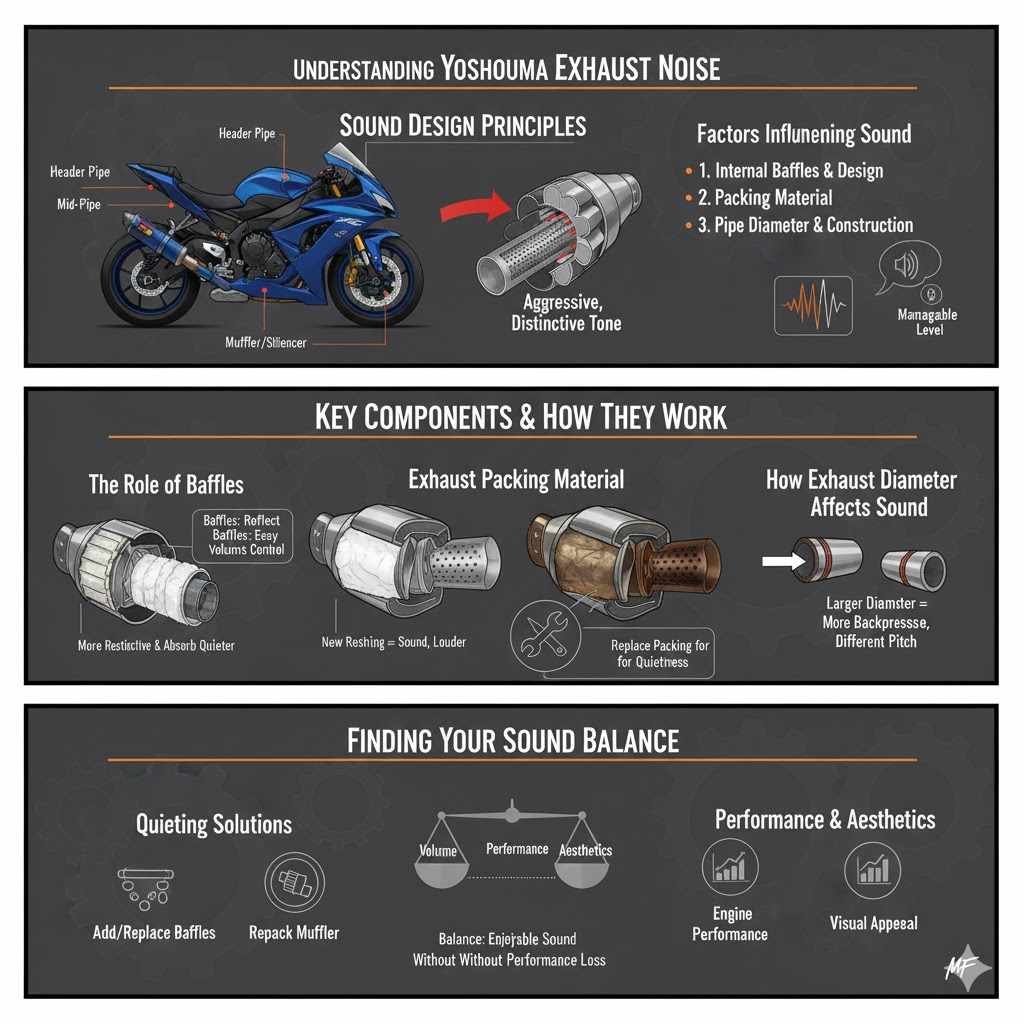
Yoshimura exhausts are famous for their aggressive and distinctive sound. This is often achieved through their design, including the internal baffles, packing material, and overall pipe diameter. The materials used and the way the exhaust system is constructed directly impact how sound waves travel and resonate.
For beginners, understanding these basic principles is key to knowing why an exhaust sounds the way it does and how changes can affect its volume. The goal is not to silence the exhaust completely, but to reduce its decibel output to a more manageable and often more enjoyable level for everyday use or specific riding conditions.
The Role of Baffles in Exhaust Systems
Baffles are internal components inside your motorcycle’s exhaust pipe. They are essentially sound-dampening devices. They work by creating obstacles and chambers that reflect and absorb sound waves.
Think of them like tiny speed bumps for noise. When sound waves hit a baffle, they bounce around inside the exhaust pipe. This bouncing disrupts the smooth flow of sound, breaking up the loud, sharp noise into smaller, less intense sound pulses.
Some Yoshimura exhausts come with removable baffles. This means you can add or remove them easily. If your exhaust is too loud, adding a baffle or a quieter baffle insert is a common solution.
These inserts are designed to fit inside the existing exhaust tip or muffler, further restricting the exit path for sound. They might have small perforations or be more solid, all designed to create more backpressure and dampen noise.
The effectiveness of a baffle depends on its design and the exhaust system it’s in. A well-designed baffle can significantly reduce noise without drastically affecting engine performance. However, some baffles might reduce exhaust flow, potentially impacting power.
It is important to choose baffles that are compatible with your specific Yoshimura model.
Exhaust Packing Material What It Does
Inside many mufflers, there’s a material called exhaust packing or fiberglass packing. This material is like a sound sponge. It wraps around the perforated core of the muffler.
When sound waves exit the engine and travel through the exhaust pipe, they enter the muffler and pass through this packing material. The packing absorbs some of the sound energy. It converts noise into heat, making the exhaust quieter.
Over time, this packing material can degrade or burn out. This is especially true for high-performance exhausts that experience a lot of heat and pressure. When the packing wears out, the muffler becomes less effective at absorbing sound, and the exhaust will sound louder.
Replacing old packing material with new, high-quality exhaust packing is a common maintenance task that can restore a muffler’s quietness.
Different types of packing material exist, varying in density and heat resistance. For Yoshimura exhausts, using packing material specifically recommended for performance applications is a good idea. This ensures it can withstand the high temperatures and pressures without breaking down too quickly.
When repacking, it’s important to do it evenly to ensure consistent sound dampening throughout the muffler.
How Exhaust Diameter Affects Sound
The diameter of your exhaust pipe plays a role in how loud your Yoshimura exhaust sounds. Generally, a larger diameter pipe allows exhaust gases to flow more freely. This can lead to a louder, deeper tone.
A smaller diameter pipe can create more backpressure and resonance, which can alter the pitch and volume of the sound.
Yoshimura exhausts are designed with specific diameters to achieve their characteristic sound profile. However, if you have an aftermarket mid-pipe or a full system that changes the diameter significantly from the stock setup, it can affect the noise level. Sometimes, a wider pipe might mean less muffling from the packing material.
It can also allow sound waves to travel with less interruption.
When trying to make your Yoshimura exhaust quieter, altering the diameter is a more complex modification. It might involve changing the mid-pipe or even the muffler itself. Often, simpler solutions like adding baffles or repacking are preferred by riders looking for an easier fix.
Modifying pipe diameter should be done with careful consideration of how it might impact engine performance and overall sound quality.
Methods to Quieten Your Yoshimura Exhaust
Making a Yoshimura exhaust quieter can be achieved through several practical methods. These range from simple additions to more involved maintenance. For most riders, the easiest and most effective approaches involve accessories designed to reduce noise or maintaining the existing components.
We will explore options that can help you find a better balance between performance sound and everyday usability.
Adding a Quieter Baffle or Insert
One of the most direct ways to make your Yoshimura exhaust quieter is by using a performance baffle insert. Many Yoshimura systems are designed to accept these. These inserts are typically small, perforated tubes or discs that fit into the end of your exhaust pipe.
They create additional restrictions in the exhaust flow path.
These restrictions force the sound waves to bounce around more within the muffler and the insert itself. This action effectively dampens the sound energy, reducing the overall decibel output. Some inserts are more restrictive than others, offering different levels of noise reduction.
You might find options labeled “quiet insert” or “dB killer.” These are specifically made to lower the volume of your exhaust.
When choosing a baffle insert, it’s crucial to ensure it is compatible with your specific Yoshimura exhaust model. You can usually find this information on the Yoshimura website or by contacting their customer support. Proper installation is also important for optimal performance and sound reduction.
A loose baffle can rattle and cause other issues. A correctly installed baffle can make a noticeable difference in how loud your exhaust sounds, making it more pleasant for street riding or areas with stricter noise regulations.
For example, a rider with a Yoshimura R77 system might find it too loud for their daily commute. They could purchase a Yoshimura R77 quiet insert. This small piece of metal slides into the exhaust tip and is often held in place with a small screw.
The result is a reduction in the harshness of the exhaust note, making it less intrusive without completely muffling the exhaust’s sporty character. This allows them to enjoy their ride without attracting unwanted attention from noise complaints.
Repacking the Muffler With New Material
Over time, the packing material inside your Yoshimura muffler can degrade. This material, often a fiberglass-like substance, absorbs sound. As it breaks down, its sound-dampening capabilities decrease, leading to a louder exhaust.
Repacking the muffler with fresh material is a very effective way to restore its original quietness.
To do this, you’ll typically need to remove the exhaust tip or the end cap of the muffler. Inside, you’ll find the perforated core wrapped with the old packing material. Carefully remove the old material, which might be brittle and dusty.
Then, wrap the new packing material evenly around the perforated core. It’s important to pack it tightly but not so tightly that it obstructs exhaust flow excessively.
The amount of packing material needed can vary by muffler model. Yoshimura often provides recommendations or specific kits for repacking their mufflers. Using the correct type and amount of packing material is essential for achieving the best results.
High-temperature exhaust packing is recommended to ensure durability and effectiveness. This process, while requiring a bit of hands-on work, can significantly quiet down a Yoshimura exhaust that has become noticeably louder over time.
A case study could involve a rider who noticed their Yoshimura RS-9 exhaust becoming progressively louder after several thousand miles. They decided to replace the packing material. After disassembly, they found the old material to be compacted and somewhat burned.
They purchased a Yoshimura repacking kit, which included the correct amount of high-temperature packing and instructions. Following the guide, they carefully wrapped the new material around the perforated core and reassembled the muffler. The rider reported a significant reduction in noise, bringing the exhaust sound closer to its original, more mellow tone, making their highway rides much more enjoyable.
Here’s a simple checklist for repacking:
- Gather your tools: Wrenches for removing the exhaust tip, gloves, and eye protection.
- Purchase the correct repacking kit for your Yoshimura model.
- Carefully disassemble the muffler end.
- Remove all old packing material.
- Wrap new material evenly around the perforated core.
- Reassemble the muffler securely.
Using a Universal Muffler Insert
If a specific Yoshimura baffle insert isn’t available for your model, or if you’re looking for a more budget-friendly option, a universal muffler insert can be a viable solution. These are generally available in various diameters and lengths and can be modified to fit your exhaust tip.
Universal inserts work on the same principle as dedicated baffles. They introduce more surface area and restrictions inside the exhaust flow. This disrupts sound waves and absorbs some of the acoustic energy.
When choosing a universal insert, you’ll need to measure the inner diameter of your Yoshimura exhaust tip and potentially the length required. Some inserts are designed to be cut to size.
The challenge with universal inserts is ensuring a secure fit and proper exhaust flow. A poorly fitted insert might vibrate or even detach, which is unsafe and can damage your exhaust. You might need to get creative with mounting, perhaps using high-temperature silicone sealant or custom brackets.
Despite the potential for a bit more customization, a well-fitted universal insert can effectively reduce the noise from your Yoshimura exhaust.
A scenario might involve a rider with a Yoshimura slip-on for a less common motorcycle model. Finding a direct quiet insert is difficult. They opt for a universal insert designed for similar pipe diameters.
They measure their exhaust opening and purchase a perforated tube insert. With some careful trimming and adaptation using a small clamp that fits inside the exhaust tip, they achieve a snug fit. The resulting sound is noticeably quieter, making their bike more suitable for riding near residential areas without causing a disturbance.
Advanced Techniques and Considerations
While baffles and repacking are the most common ways to quiet down a Yoshimura exhaust, there are other methods and important factors to consider. These might involve more significant modifications or understanding the interaction between your exhaust and other engine components. For riders seeking maximum noise reduction or those facing specific challenges, exploring these advanced options is beneficial.
Modifying the Mid-Pipe or Full System
If you have a full Yoshimura exhaust system or an aftermarket mid-pipe, these components also play a role in sound. The mid-pipe connects the header pipes to the muffler. Its diameter, length, and any resonators it might have can influence the exhaust note.
Changing these components can alter the sound profile.
To make an exhaust quieter by modifying the mid-pipe, you might consider adding a resonator or choosing a mid-pipe with a smaller diameter. Resonators are chambers designed to cancel out specific sound frequencies, acting as a form of noise cancellation for your exhaust. A smaller diameter mid-pipe can increase backpressure, which can sometimes lead to a deeper, less boisterous sound.
However, it is crucial to understand that significantly altering the mid-pipe’s design can affect engine performance, potentially leading to a loss of power or changes in the torque curve.
This type of modification is more advanced and often requires consultation with exhaust specialists or custom fabrication. It’s not a simple bolt-on solution like a baffle. If you’re considering this route, it’s wise to research specific mid-pipe designs known for their quieter operation or consult with Yoshimura or a reputable exhaust shop to discuss potential modifications for your bike model.
Getting the balance right between noise reduction and engine performance is key.
The Impact of Engine Tuning on Exhaust Sound
Your motorcycle’s engine tune can surprisingly influence how loud your Yoshimura exhaust sounds. An engine that is running lean (too much air, not enough fuel) or has incorrect ignition timing can produce a harsher, more aggressive, and often louder exhaust note. This is because the combustion process might be less efficient, leading to more unburnt fuel or hotter exhaust gases entering the exhaust system.
Optimizing your engine tune, often through fuel management systems like fuel controllers or ECU remapping, can help. A well-tuned engine will burn fuel more efficiently. This generally results in a cleaner, more controlled exhaust sound.
If you’ve recently installed a Yoshimura exhaust and noticed an unexpected increase in loudness, it could be related to your engine’s current tune. Ensuring your engine is running optimally for your exhaust setup is important for both sound and performance.
For example, a rider might install a Yoshimura full system and then notice a popping sound on deceleration, along with increased overall volume. This is often a sign of a lean condition. By adding a fuel controller and adjusting the air-fuel ratio, the popping is reduced, and the exhaust note becomes smoother and slightly less aggressive.
This highlights how engine tuning is an integral part of managing exhaust sound, not just performance.
Here are some statistics on exhaust noise and motorcycle modifications:
- A study by the Motorcycle Industry Council found that a significant percentage of riders prefer exhausts that are quieter for daily use, despite enjoying sportier sounds in certain contexts.
- Exhaust noise levels can vary widely; a stock motorcycle exhaust typically operates between 80-90 decibels, while aftermarket performance exhausts like Yoshimura can range from 95-105 decibels or higher without noise-reducing accessories.
- Properly installed baffles can reduce exhaust noise by as much as 5-10 decibels, making a noticeable difference in perceived loudness.
Legal Considerations and Noise Regulations
It’s important to be aware of local noise ordinances and regulations regarding motorcycle exhaust systems. Many cities and states have laws that limit the maximum decibel level for vehicle exhausts. If your Yoshimura exhaust is consistently too loud, you could face fines or other penalties.
While Yoshimura exhausts are designed for performance, their loudness can sometimes exceed legal limits, especially if modifications have been made or if the exhaust has aged. Using baffles or inserts is often the easiest way to ensure compliance with noise regulations. Before making any modifications, it’s a good idea to check your local laws.
This will help you understand what is permissible and avoid potential legal issues.
Understanding these regulations helps you maintain your motorcycle responsibly. It ensures you can enjoy your ride without causing disturbances or breaking the law. The goal is to find a balance that satisfies your desire for a performance sound while respecting your community and legal requirements.
For instance, in California, there are strict noise limits for motorcycles, and riders are often encouraged to use EPA-compliant exhausts or noise-reducing accessories.
Maintaining Your Yoshimura Exhaust for Optimal Sound
Keeping your Yoshimura exhaust in good condition is key to not only its longevity but also to maintaining its intended sound profile. Regular maintenance can prevent the exhaust from becoming excessively loud due to wear and tear. We’ll cover the essential steps to ensure your exhaust continues to perform and sound its best.
Regular Cleaning and Inspection
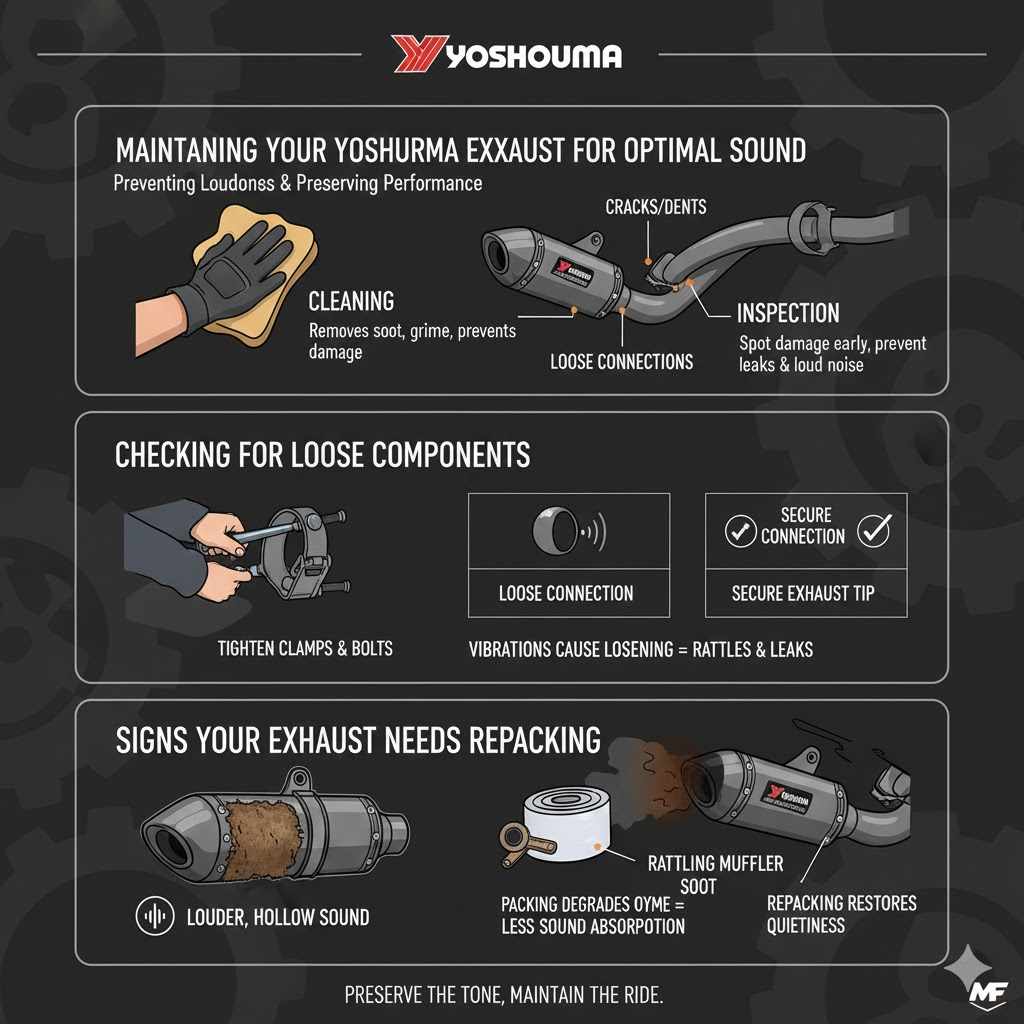
Keeping your Yoshimura exhaust clean is more than just aesthetics; it can also reveal potential issues. Regularly inspect your exhaust system for any signs of damage, such as cracks, dents, or loose connections. A damaged exhaust can leak gases and become louder than intended, and can also be dangerous.
Cleaning your exhaust periodically helps remove soot, carbon buildup, and road grime. This buildup can sometimes affect the exhaust’s performance and even its sound. Use appropriate cleaning products designed for exhaust systems.
Avoid harsh chemicals that could damage the finish. A clean exhaust looks better and allows you to spot any early signs of trouble, like rust forming or the packing material starting to fail.
Checking for Loose Components
Over time, vibrations from riding can cause exhaust components to loosen. This includes clamps, bolts, and the exhaust tip itself. A loose component can lead to rattles and leaks, both of which will make your Yoshimura exhaust sound louder and less pleasant.
Regularly check that all connections are secure.
Pay special attention to the connection points where the exhaust connects to the motorcycle and where the muffler attaches to the mid-pipe. If you have a removable baffle or tip, ensure that it is securely fastened. Sometimes, a simple tightening of a bolt can resolve an annoying rattle or a sudden increase in exhaust noise.
This regular check is a simple yet effective maintenance task.
Signs Your Exhaust Needs Repacking
As mentioned before, exhaust packing material degrades over time. You can often tell when it’s time to repack by listening to your exhaust. If it has become significantly louder than it used to be, especially with a deeper, more hollow sound, the packing is likely worn out.
Another sign is if you notice any rattling or buzzing sounds coming from the muffler itself, separate from engine noise. This could indicate that the packing is no longer holding the perforated core in place properly. Visually inspecting the exhaust tip for excessive soot or discoloration might also hint at internal issues.
If you suspect your packing is failing, repacking it with fresh material is usually the best solution to restore its quieter performance.
Frequently Asked Questions
Question: Can I make my Yoshimura exhaust completely silent
Answer: Making a Yoshimura exhaust completely silent is very difficult without significantly impacting engine performance. The goal is usually to reduce its loudness to a more manageable level.
Question: Will adding a baffle affect my motorcycle’s performance
Answer: A well-designed baffle might have a minimal impact. However, very restrictive baffles can sometimes reduce exhaust flow, potentially affecting power. Choose baffles designed for your specific Yoshimura model.
Question: How often should I repack my Yoshimura muffler
Answer: This depends on your riding style and the type of exhaust. For performance exhausts, repacking might be needed every 5,000-10,000 miles, or when you notice the exhaust becoming significantly louder.
Question: Are Yoshimura quiet
Answer: While quiet inserts help reduce noise, local noise regulations vary. Always check your local laws to ensure your setup is compliant.
Question: Can I use generic exhaust packing instead of Yoshimura’s
Answer: You can use high-quality, high-temperature universal exhaust packing. However, ensure it is suitable for performance motorcycle exhausts and has good heat resistance.
Conclusion
Quieting your Yoshimura exhaust is achievable with simple steps. Adding a compatible baffle insert is often the easiest fix. Repacking worn-out muffler material also restores its sound-dampening ability.
Regular maintenance ensures your exhaust stays in optimal condition. You can enjoy a more comfortable ride by balancing performance sound with reduced noise levels.