Axle-Back vs Muffler Delete: Sound and Legality
Axle-back usually means a modest sound increase. Muffler delete is louder, dronier, and more likely to raise inspection or noise-law issues.

Resonator and exhaust setup guides covering resonator or muffler delete, cat-back systems and clamps, for drivers tuning sound.
Axle-back usually means a modest sound increase. Muffler delete is louder, dronier, and more likely to raise inspection or noise-law issues.

Choose a stainless cat-back with axle-exit or high-clearance routing for the best mix of clearance, durability, and fit on off-road trucks.

Direct-fit cat-back and axle-back systems suit most DIY installers; universal pipe and muffler parts fit only if you can cut and weld accurately.
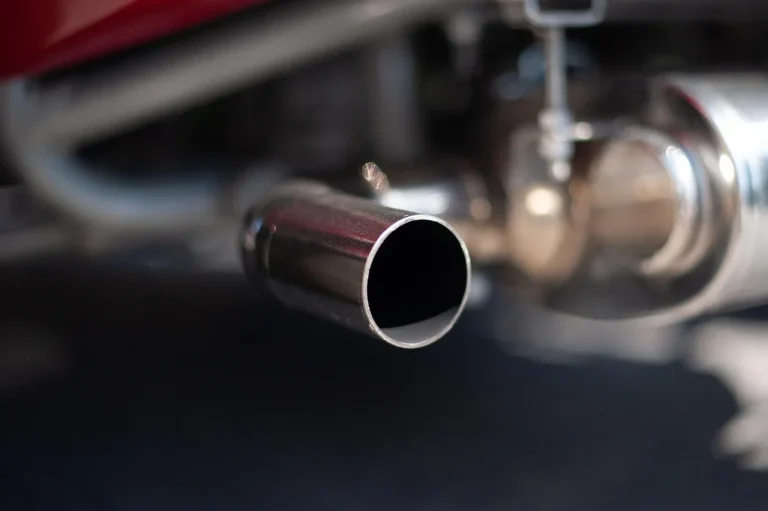
Slip-on for small weight and sound gains; full system for maximum power changes. Street legality, drone, heat, and ECU tuning decide the rest.
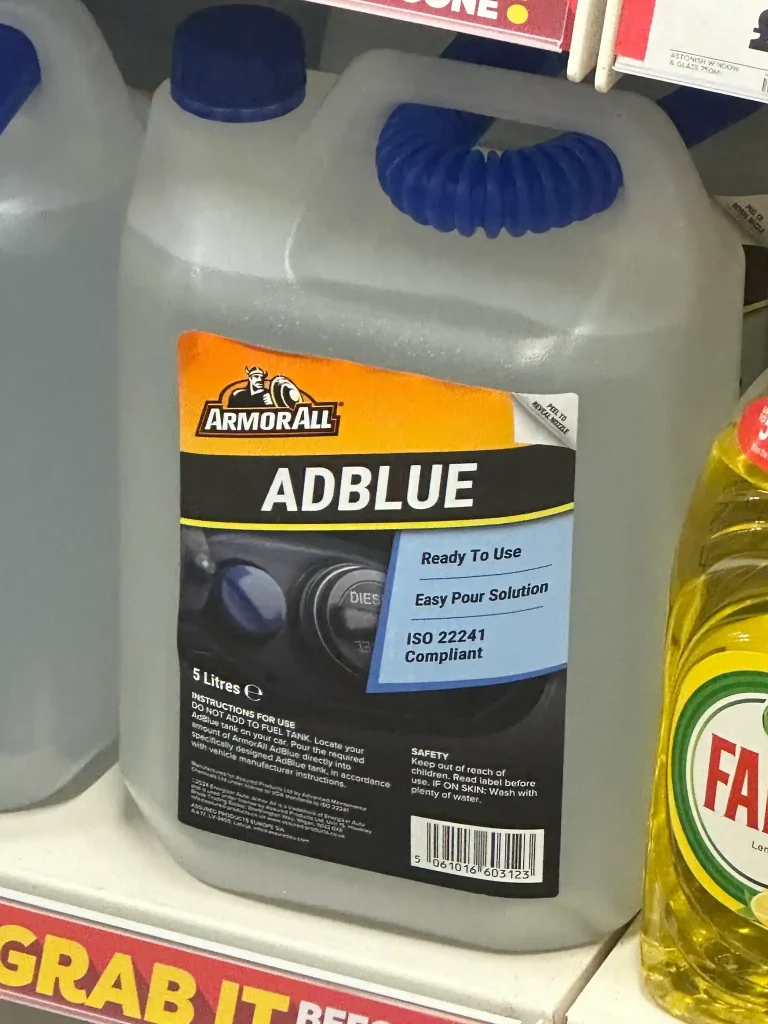
Choose a 4-inch turbo-back for most diesel trucks; tow rigs need a mandrel-bent system and muffler, while tuned trucks may need 4.5-inch only for higher airflow.

For most naturally aspirated street cars, the best exhaust setup is usually a cat-back or axle-back that keeps the factory manifold and catalytic converters in place.

Start at the turbine outlet, then size the system to the power goal: 2.5-inch for mild builds, 3-inch for most 300–600 hp setups, and 3.5-inch only for high airflow.
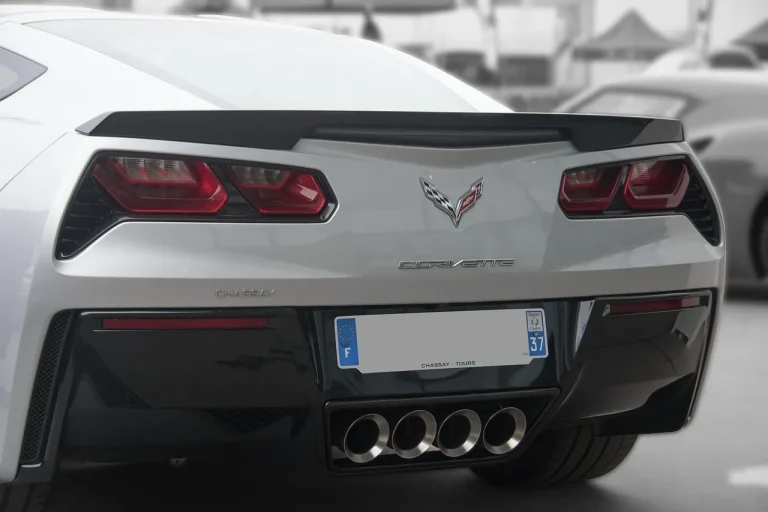
Headers, downpipes, and high-flow catalytic converters usually deliver the best horsepower gains; cat-backs mostly change sound on stock N/A engines.
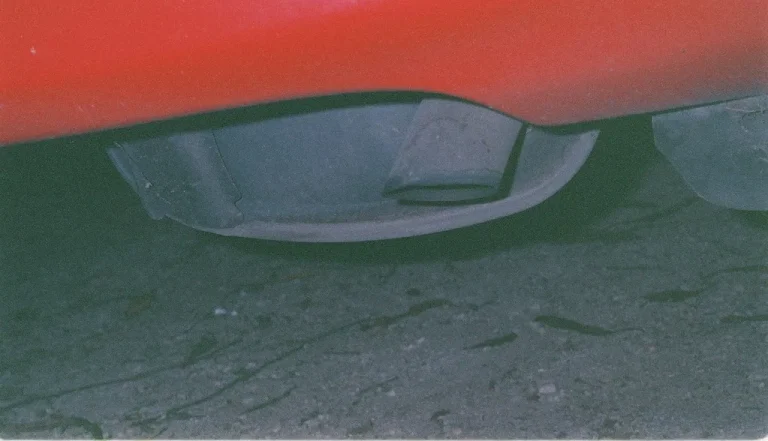
Performance cat-backs with resonated mid-pipes and valved systems give the most sound with the least highway drone; use the 80 mph conversation test as your cutoff.
Exhaust repair usually costs $150 to $1,200, with minor fixes near $100 and converter work much higher. This guide breaks down costs by repair type, labor, rust, and extra fees.