How Much Horsepower Do Exhaust Manifolds Add?
Typical gains are 0–5 hp on stock NA engines, 5–15 hp with shorty headers, and 10–25 hp with long-tubes, plus turbo-specific notes.

Exhaust manifold repair and installation cost guides, covering manifolds, pipes and cat-back kits, for owners budgeting repairs.

Typical gains are 0–5 hp on stock NA engines, 5–15 hp with shorty headers, and 10–25 hp with long-tubes, plus turbo-specific notes.
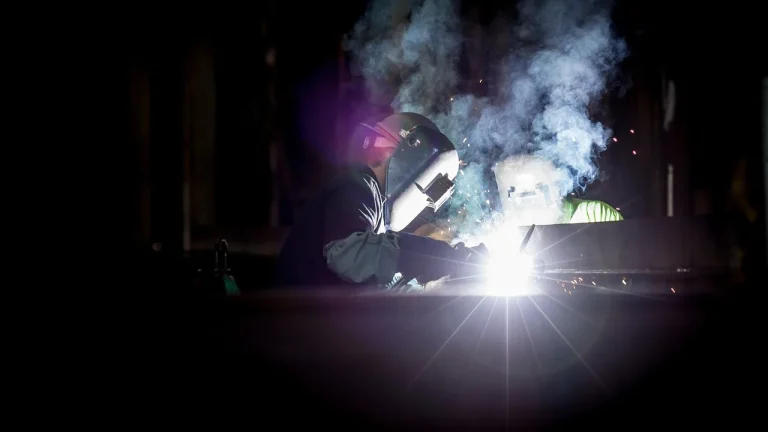
120V MIG fits mild steel; 140–200A DC TIG suits stainless. Check duty cycle, amperage headroom, and whether your outlet can handle the machine.
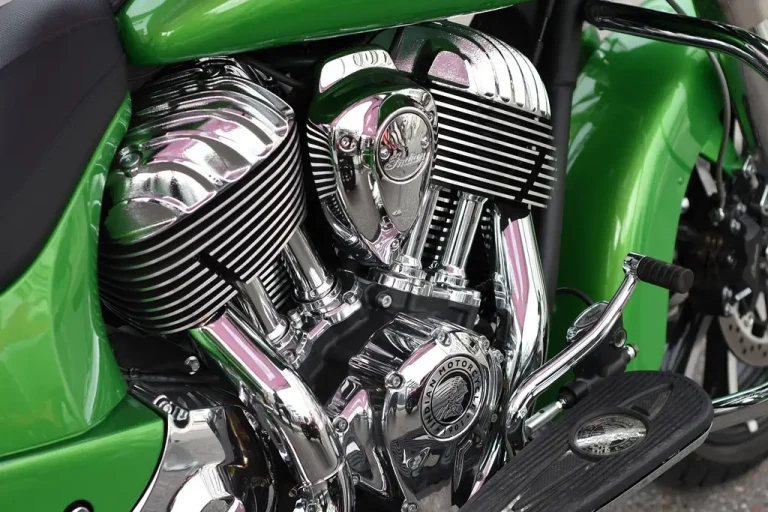
Headers suit street use only when top-end power matters more than noise, heat, cost, and fitment work; otherwise, a performance manifold usually drives better for less.

Heavy-wall OEM-style cast-iron manifolds resist heat best on diesel trucks. This guide ranks designs, fitment risks, and top choices for Cummins, Power Stroke, and Duramax setups.

A 4.5-inch variable-speed angle grinder handles most exhaust cuts and cleanup, while a compact die grinder fits tight access and finishing work.

Compare cast-iron, ductile-iron, and tubular options by thickness, flange design, gasket choice, and OE fitment to reduce tick, drone, leaks, and cracking.

Choose a compact reciprocating saw for under-car exhaust cuts, a portable band saw for bench work, and a thin cutoff wheel for stainless.

Cast-iron manifolds or thick-wall stainless shorties are the safest towing picks. This guide compares fitment, heat control, flange flatness, and durability.

Compare OEM and aftermarket exhaust manifolds by fitment, emissions legality, labor risk, and cost before you replace the part.

OEM exhaust manifolds usually fit best; aftermarket only makes sense when the engine code and flange pattern match exactly.