Can Heat Exhaustion Cause Cardiac Arrest: Proven Dangers
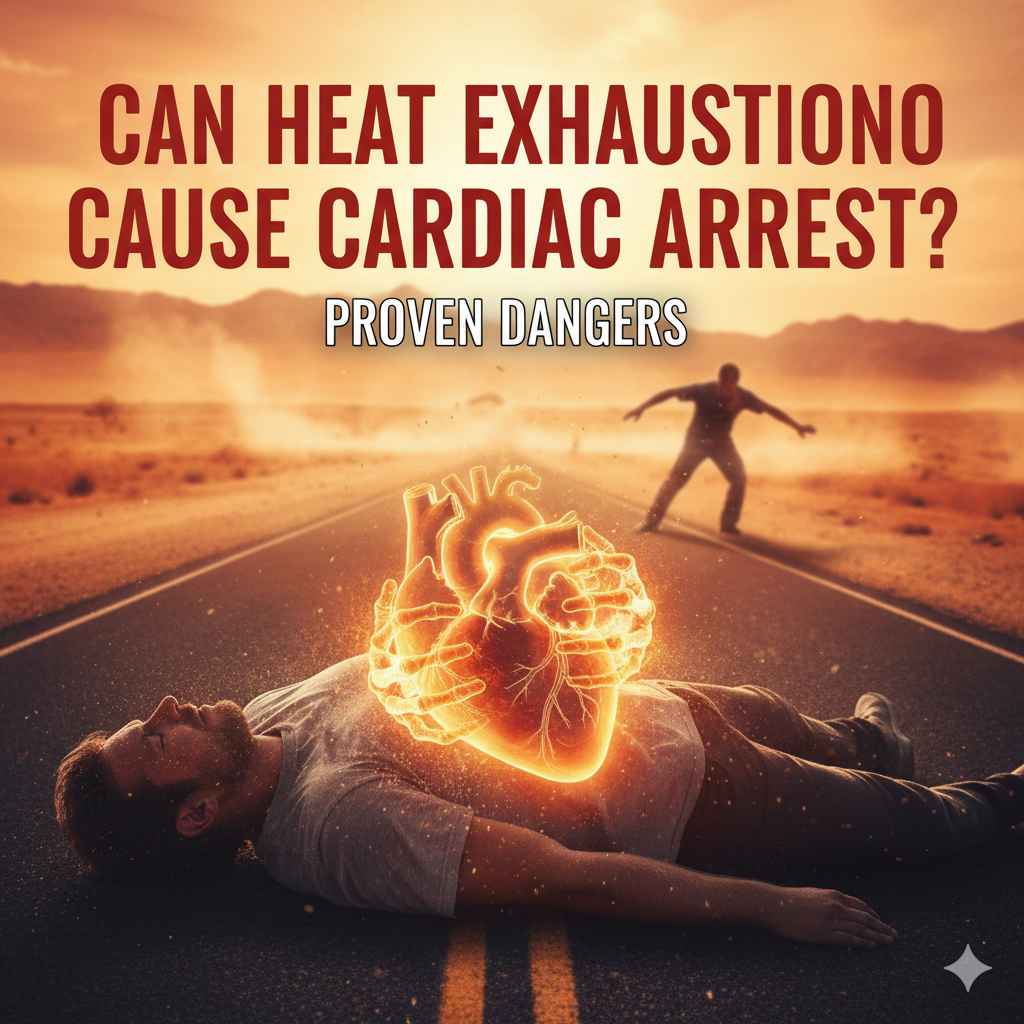
Heat exhaustion can indeed lead to cardiac arrest in severe cases. When the body overheats dramatically, its systems, including the heart, can fail, resulting in a life-threatening emergency. Prompt recognition and treatment of heat exhaustion are crucial to prevent this dangerous progression.
Feeling overheated can be really concerning. You might wonder if just getting too hot can turn into something much more serious, like a heart problem. It’s a valid worry, especially when the temperatures climb. Many people experience the discomfort of heat exhaustion, but not everyone knows how dangerous it can become if ignored. This guide will break down exactly how heat exhaustion impacts your body and what you need to know about its potential link to cardiac arrest. You’ll learn to spot the signs early and understand why taking action is so important. Let’s get you informed and prepared.
Understanding Heat Exhaustion: Your Body Under Stress
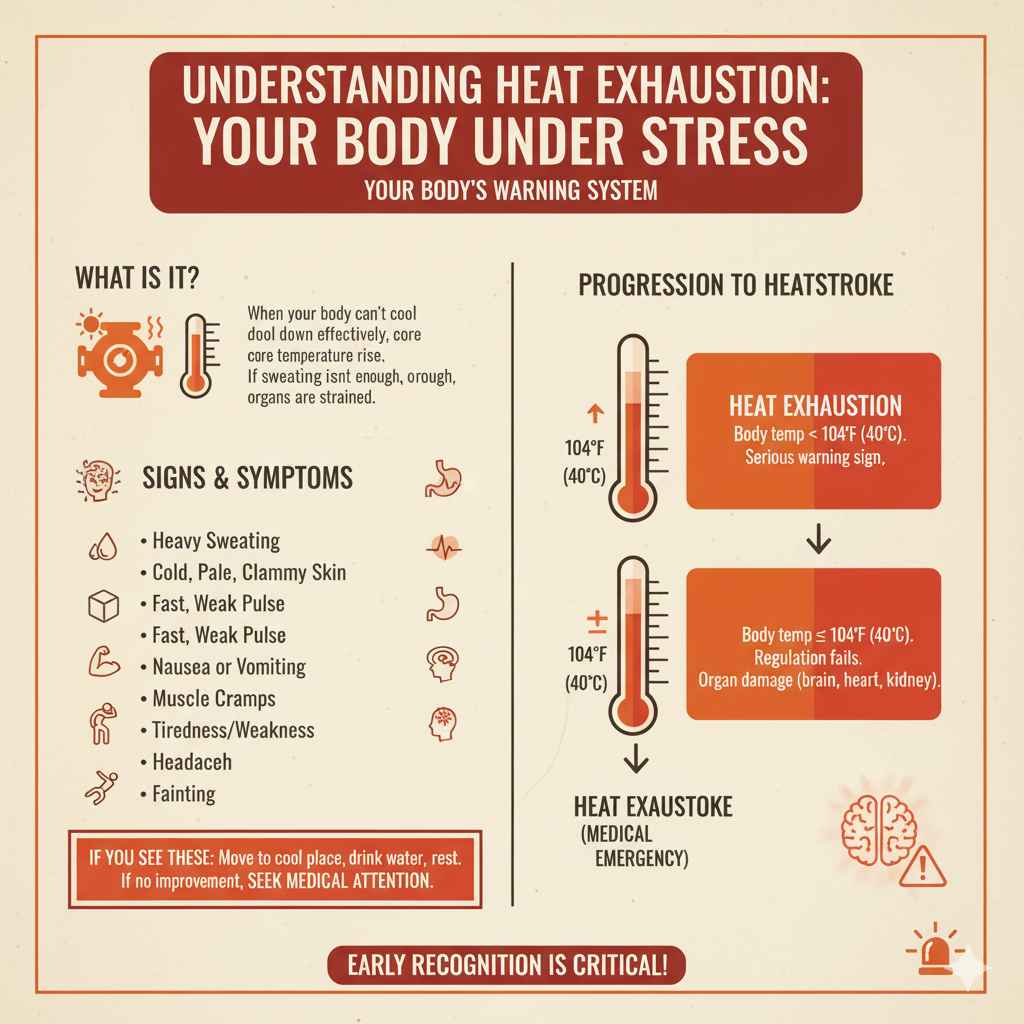
When your body can’t cool itself down effectively, heat exhaustion is the result. This happens when you’re exposed to high temperatures for too long, especially if you’re active or not drinking enough fluids. Your body’s internal thermostat goes into overdrive trying to shed heat, but sometimes, it just can’t keep up. This can lead to a range of uncomfortable and potentially dangerous symptoms.
Think of your body like a car engine. If it overheats, the engine can start to malfunction, leading to serious damage. Your body works similarly. It tries to regulate its temperature, primarily through sweating. When sweating isn’t enough to cool you down, your core body temperature starts to rise. This puts a significant strain on all your organs, including your heart.
Signs and Symptoms of Heat Exhaustion
Recognizing heat exhaustion early is key to preventing it from worsening. The symptoms can creep up on you, so it’s important to be aware of what to look for in yourself and others:
- Heavy sweating
- Cold, pale, and clammy skin
- Fast, weak pulse
- Nausea or vomiting
- Muscle cramps
- Tiredness or weakness
- Dizziness
- Headache
- Fainting
These signs indicate that your body is struggling. If you notice these, it’s time to cool down immediately. Don’t try to push through it. Finding a cool place, drinking water, and resting can often resolve the issue. However, if symptoms persist or worsen, medical attention is necessary.
The Progression: From Exhaustion to a More Serious Threat
Heat exhaustion is a serious warning sign from your body. If it’s not treated properly, it can quickly escalate into a much more dangerous condition: heatstroke. Heatstroke is a medical emergency where the body’s temperature regulation system completely fails. This is when the real dangers to vital organs, including the heart, emerge.
The transition from heat exhaustion to heatstroke can happen faster than you might think. One of the critical differences is body temperature. For heat exhaustion, your body temperature is usually elevated but below 104°F (40°C). In heatstroke, it rises to 104°F (40°C) or higher. This extreme heat can damage your brain, heart, kidneys, and muscles very quickly.
The Direct Link: Can Heat Exhaustion Cause Cardiac Arrest?
While heat exhaustion itself isn’t direct cardiac arrest, the severe physiological stress it places on the body can trigger dangerous heart events, including cardiac arrest in susceptible individuals. It’s the extreme physiological strain rather than a direct cause-and-effect mechanism like a blockage.
When your body is severely overheated, it’s in a state of extreme distress. This can lead to several mechanisms that put the heart at risk:
- Dehydration: Heavy sweating leads to fluid loss. This reduces blood volume, making the heart work harder to pump blood throughout the body. This increased workload can be too much for an already stressed heart.
- Electrolyte Imbalance: Significant fluid loss through sweat also depletes essential electrolytes like sodium, potassium, and magnesium. These electrolytes are crucial for heart rhythm and muscle function. Imbalances can disrupt the heart’s electrical signals, leading to irregular heartbeats (arrhythmias).
- Increased Heart Rate: To compensate for reduced blood volume and to try and dissipate heat, the heart rate increases dramatically. This sustained high heart rate puts immense strain on cardiac muscle.
- Blood Vessel Dilation: To release heat, blood vessels near the skin surface widen. While this helps cool the body, it can lower blood pressure, forcing the heart to pump even harder to maintain circulation to vital organs.
- Organ Damage: Prolonged extreme heat can directly damage organs, including the heart muscle itself. This damage can lead to impaired function and increase the risk of sudden cardiac events.
In essence, heat exhaustion weakens the body’s systems, making them vulnerable. For individuals with pre-existing heart conditions, or even in otherwise healthy people pushed to their limits by extreme heat, these combined effects can overwhelm the cardiovascular system, leading to a sudden cessation of heart function – cardiac arrest.
Heatstroke: The Critical Turning Point
Heatstroke is where the risk significantly escalates. It’s often described as heat exhaustion that has progressed to a life-threatening stage. During heatstroke, the body’s cooling mechanism completely fails:
- High Body Temperature: A core body temperature of 104°F (40°C) or higher.
- Altered Mental State: Confusion, agitation, disorientation, delirium, seizures, or coma.
- Skin Changes: Skin may be hot and dry (not sweating), or it may be moist.
- Other Symptoms: Rapid breathing, rapid pulse, throbbing headache, nausea, and vomiting.
The extremely high body temperature associated with heatstroke is incredibly damaging. It can directly lead to abnormal heart rhythms and cardiac arrest. According to the Centers for Disease Control and Prevention (CDC), heatstroke is a severe condition that requires immediate emergency medical treatment. Prompt recognition of heat exhaustion and taking steps to cool down can prevent it from ever reaching the heatstroke stage.
For more detailed information on heat-related illnesses and their prevention, the CDC offers comprehensive resources. You can find valuable guidance on their official website, particularly in their sections dedicated to environmental health and heat safety.
Another authoritative source for understanding the physiological impacts of heat and the risks involved is the National Institutes of Health (NIH). Their research often delves into the cardiovascular effects of environmental stress, providing a deeper understanding of these dangers.
Who is Most at Risk?
While anyone can suffer from heat-related illnesses, certain groups are more vulnerable to the dangers of heat exhaustion and its potential complications, including cardiac events. Understanding these risk factors can help in taking adequate precautions.
Vulnerable Populations
- Infants and Young Children: Their bodies are less efficient at regulating temperature and they have a higher surface area to volume ratio, meaning they heat up faster.
- Older Adults (65+): Their bodies may not adjust as well to sudden temperature changes, and they may have underlying health conditions or take medications that interfere with heat regulation (e.g., diuretics, beta-blockers).
- People with Chronic Illnesses: Conditions such as heart disease, lung disease, kidney disease, obesity, diabetes, and mental illness can impair the body’s ability to cope with heat.
- Individuals Taking Certain Medications: Some medications, including antihistamines, antipsychotics, diuretics, and beta-blockers, can affect the body’s ability to stay cool and hydrated.
- Outdoor Workers and Athletes: People who work or exercise in hot environments are at increased risk, especially if they don’t acclimate properly or take sufficient breaks.
- People Experiencing Homelessness: Lack of access to cool shelter, hydration, and medical care makes this group highly susceptible.
- Individuals with Sunburn: Sunburn impairs the body’s ability to cool itself.
Pre-existing Heart Conditions
If you have a history of heart disease, high blood pressure, or other cardiovascular issues, you are at a significantly higher risk. Your heart may already be working harder or have compromised function, making it less able to cope with the additional stress of overheating and dehydration. Even mild heat exhaustion can put an undue burden on a weakened heart, potentially leading to dangerous arrhythmias or exacerbating existing heart problems.
It’s crucial for individuals with these conditions to be especially vigilant during hot weather. Staying indoors in air-conditioned spaces, drinking plenty of fluids, and avoiding strenuous activity during peak heat hours are essential protective measures. Always consult with your doctor about specific precautions you should take based on your health status.
Immediate Steps: What to Do If You Suspect Heat Exhaustion
Acting quickly is the most critical factor in managing heat exhaustion and preventing it from becoming a life-threatening emergency. If you or someone else shows signs of heat exhaustion, don’t delay. Take immediate action.
Cooling Down an Individual
Here’s a step-by-step guide to help someone experiencing heat exhaustion:
- Move to a Cooler Place: Get the person out of the sun and into an air-conditioned building, a shaded area, or a cool room.
- Lie Down and Rest: Have the person lie down and elevate their legs slightly.
- Loosen Clothing: Remove any tight or unnecessary clothing.
- Cool the Skin: Apply cool, wet cloths or sponges to the skin, especially the forehead, neck, armpits, and groin. A cool shower or bath can also be very effective.
- Fan the Person: Use a fan to help evaporate sweat and cool the skin.
- Hydrate: If the person is conscious and not vomiting, give them cool water to drink, a little at a time. Avoid alcohol and caffeine, as these can speed up dehydration.
When to Seek Emergency Medical Help
It’s vital to know when to call for professional help. If the person:
- Does not improve after an hour of cooling measures
- Has a temperature of 104°F (40°C) or higher
- Has symptoms of heatstroke (confusion, changes in consciousness, seizures, hot and dry skin, rapid pulse, vomiting)
- Is unconscious or unable to drink
- Shows signs of a heart problem, such as chest pain or severe palpitations
In such cases, call emergency medical services (like 911 in the US) immediately. Do not wait. While waiting for help to arrive, continue to cool the person down as much as possible.
Comparing Heat Exhaustion and Heatstroke
Understanding the differences between heat exhaustion and heatstroke is crucial for effective response. While related, heatstroke is a far more severe and immediately life-threatening condition.
| Feature | Heat Exhaustion | Heatstroke |
|---|---|---|
| Body Temperature | Elevated, but typically below 104°F (40°C) | 104°F (40°C) or higher |
| Skin | Cool, pale, clammy | Hot, dry (may be moist in exertional heatstroke) |
| Sweating | Heavy sweating | Absence of sweating (in non-exertional heatstroke) |
| Mental State | May be fatigued or dizzy, but generally conscious | Confusion, agitation, delirium, hallucinations, seizures, loss of consciousness |
| Pulse | Fast, weak | Fast, strong |
| Nausea/Vomiting | Possible | Common |
| Immediate Danger | High; can progress to heatstroke | Life-threatening; requires immediate medical emergency treatment |
It’s important to remember that heat exhaustion is the body’s signal that it’s overheated and struggling. Ignoring these signals can lead to the more dangerous state of heatstroke, where the risk of organ damage, including cardiac arrest, is significantly elevated.
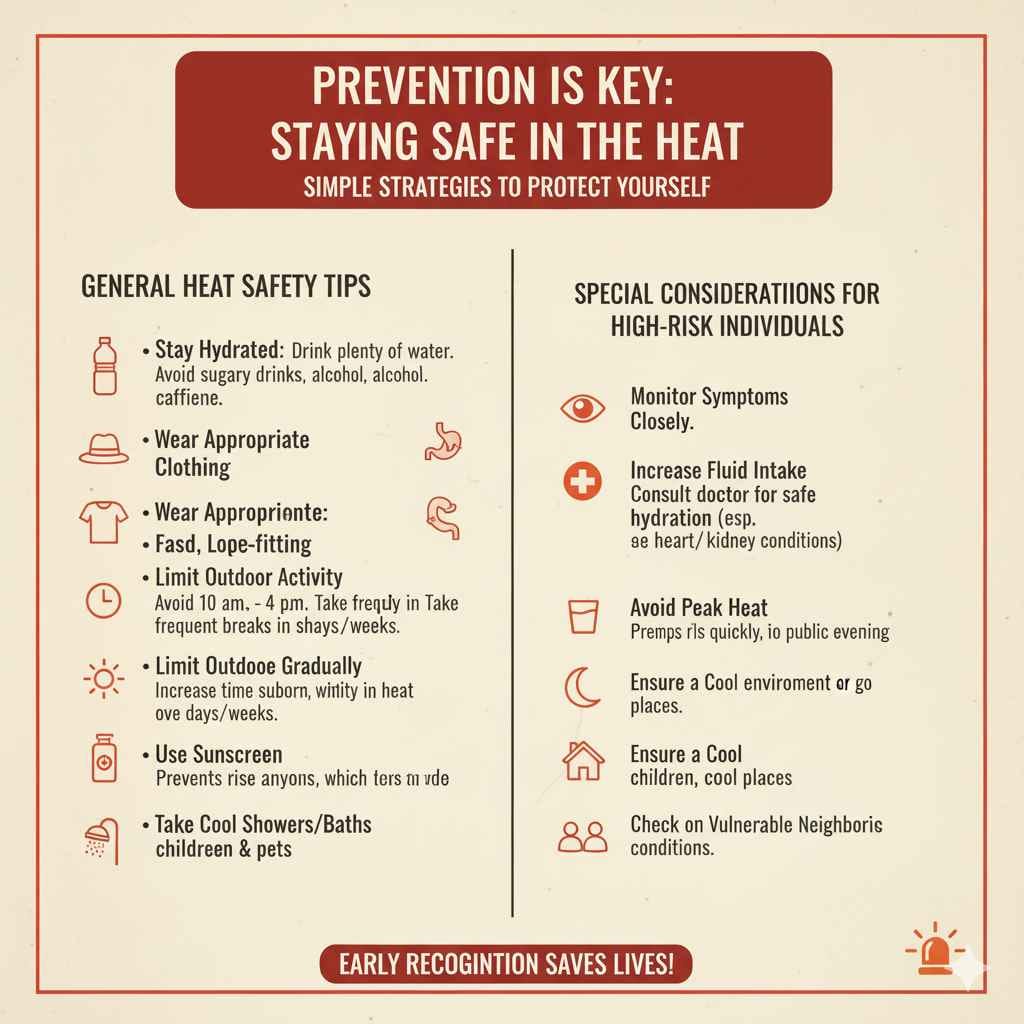
Prevention is Key: Staying Safe in the Heat
The best way to deal with the dangers of heat exhaustion and its potential cardiovascular impact is to prevent it from happening in the first place. Implementing a few simple strategies can make a big difference during hot weather.
General Heat Safety Tips
- Stay Hydrated: Drink plenty of fluids, especially water. Don’t wait until you’re thirsty. Avoid sugary drinks, alcohol, and caffeine.
- Wear Appropriate Clothing: Choose lightweight, loose-fitting, light-colored clothing. A wide-brimmed hat can help protect your face and neck.
- Limit Outdoor Activity: If possible, avoid strenuous activities during the hottest part of the day (usually from 10 a.m. to 4 p.m.). If you must be outdoors, take frequent breaks in cool or shaded areas.
- Acclimatize Gradually: If you’re not used to hot weather, gradually increase your time spent outdoors and your activity levels over several days or weeks.
- Use Sunscreen: Sunburn affects your body’s ability to cool itself and can lead to dehydration.
- Never Leave Anyone in a Parked Car: Temperatures inside a car can rise to dangerous levels very quickly, even with the windows cracked. This is especially dangerous for children and pets.
- Take Cool Showers or Baths: This helps lower your body temperature.
- Stay Indoors in Air Conditioning: If your home isn’t air-conditioned, spend time in public places that are, such as libraries or shopping malls.
Special Considerations for High-Risk Individuals
If you or someone you know falls into a high-risk category, extra precautions are necessary:
- Monitor Symptoms Closely: Be extra vigilant about recognizing the early signs of heat exhaustion.
- Increase Fluid Intake More Significantly: Even if you have certain medical conditions that require fluid restriction (like heart failure or kidney disease), consult your doctor about safe hydration strategies during extreme heat.
- Avoid Peak Heat: Plan activities for early morning or late evening.
- Ensure a Cool Environment: Make sure your home is adequately cooled. If not, identify public places where you can go to cool down.
- Check on Vulnerable Neighbors: Especially older adults, young children, and those with chronic health conditions.
The American Red Cross offers excellent resources on preparing for and responding to heat emergencies, including practical tips for staying safe. Their website is a valuable resource for community preparedness.
Frequently Asked Questions (FAQs)
Can heat exhaustion cause a heart attack?
While heat exhaustion itself doesn’t directly cause a heart attack in the way a blocked artery does, the extreme stress it puts on the body, including dehydration and increased heart rate, can trigger a heart attack in individuals with underlying coronary artery disease or other heart conditions. The heart is working much harder under heat stress.
Is heatstroke the same as cardiac arrest?
No, they are not the same. Heatstroke is a condition where the body’s temperature regulation fails, leading to a dangerously high body temperature (104°F/40°C or higher). Cardiac arrest is when the heart suddenly and unexpectedly stops beating effectively. Heatstroke can lead to cardiac arrest due to the severe strain on the body’s systems, but they are distinct medical events.
What is the main danger of heat exhaustion?
The main danger of heat exhaustion is that it can quickly progress to heatstroke, which is a life-threatening medical emergency. Untreated heat exhaustion or progression to heatstroke can lead to severe organ damage, including brain damage, kidney failure, and cardiac problems, potentially resulting in cardiac arrest.
How can I tell the difference between heat exhaustion and heatstroke?
Key differences include body temperature (heatstroke is 104°F/40°C or higher), skin presentation (heatstroke often has hot, dry skin, while heat exhaustion has cool, clammy skin), and mental state (heatstroke involves confusion, delirium, or loss of consciousness, while heat exhaustion usually involves fatigue or dizziness but is generally conscious).
If someone is experiencing heat exhaustion, should they drink water?
Yes, if the person is conscious and not vomiting, they should drink cool water or sports drinks to rehydrate. However, avoid alcohol and caffeine, as they can worsen dehydration. If the person is unconscious or vomiting, do not give them anything to drink and seek immediate medical help.
What immediate treatment can help prevent heat exhaustion from becoming serious?
The most important immediate treatments are moving to a cool location, lying down, loosening clothing, cooling the skin with wet cloths or a cool shower, and rehydrating with fluids (if conscious). Seeking medical attention if symptoms do not improve or worsen is also critical.