Can Heat Exhaustion Be Delayed: Effortless Prevention
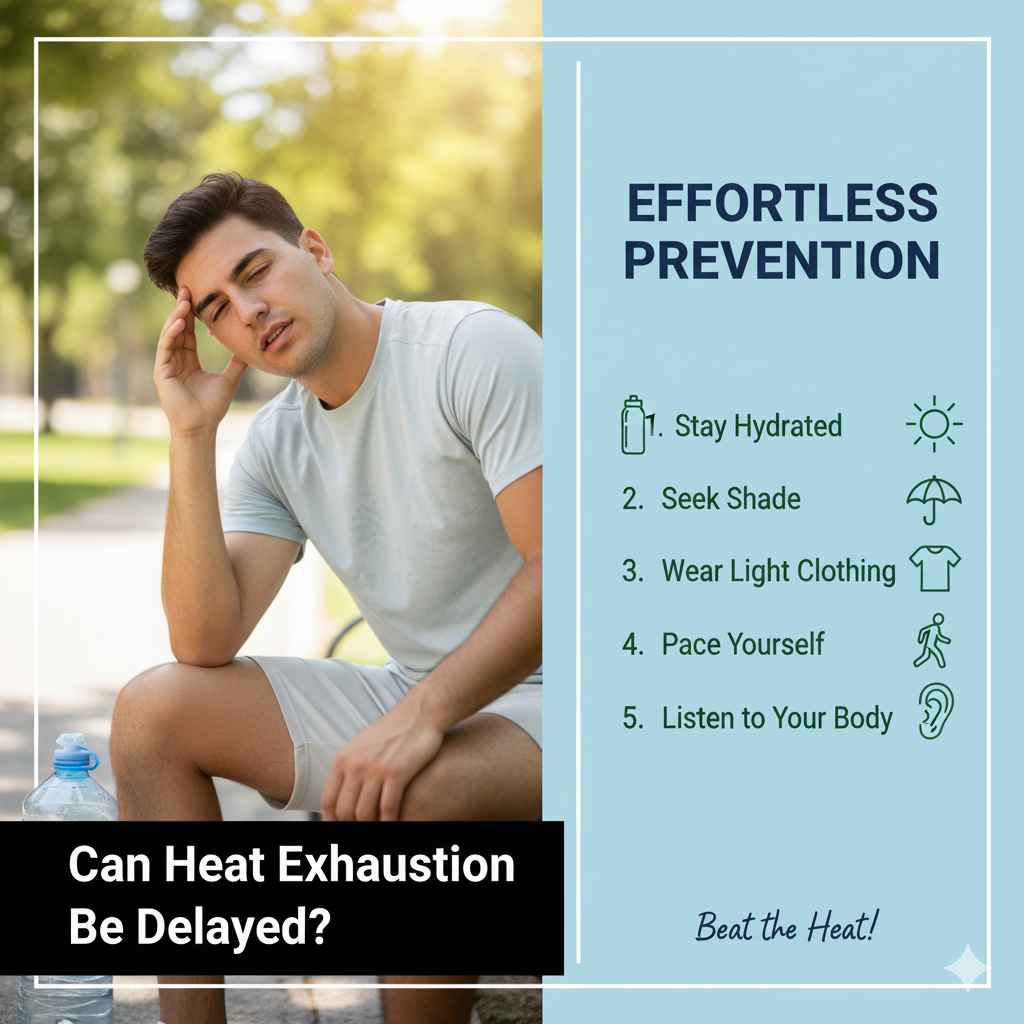
Yes, heat exhaustion can absolutely be delayed or prevented with simple, consistent steps. Staying hydrated, seeking shade, wearing appropriate clothing, and pacing yourself are key to enjoying warm weather safely and comfortably, avoiding overheating before it becomes a serious issue.
Feeling overheated and sluggish on a hot day is a common experience, but it doesn’t have to lead to serious trouble. Many people worry about heat exhaustion, that feeling of being overwhelmed by the heat. The good news is that you have a lot of control over it! By understanding how your body reacts to heat and taking a few easy steps, you can significantly delay or even avoid heat exhaustion altogether. We’ll walk you through simple, effective ways to stay cool and comfortable, making sure you can enjoy sunny days without the worry of overheating.
Understanding Heat Exhaustion: What It Is and Why Prevention Matters
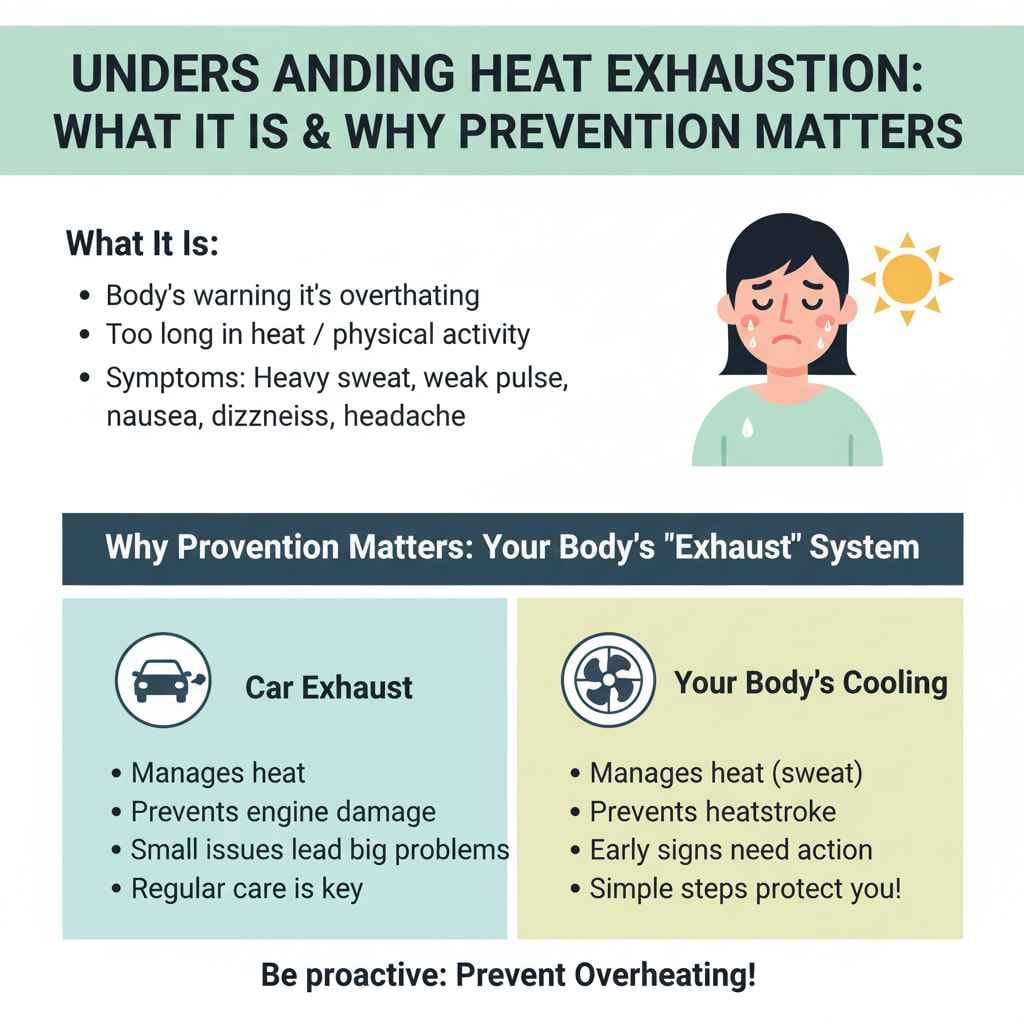
Heat exhaustion is your body’s warning signal that it’s struggling to cool itself down. When you’re exposed to high temperatures for too long, especially with physical activity, your body can’t sweat enough to lower your temperature. This can lead to symptoms like heavy sweating, a fast, weak pulse, nausea, dizziness, and a headache. If left unaddressed, it can progress to heatstroke, a life-threatening condition.
The reason prevention is so crucial is straightforward: it’s much easier to avoid getting sick than it is to recover. Imagine your car’s exhaust system – if you ignore small leaks or build-up, they can lead to bigger, more expensive problems down the line. The same applies to your body’s internal cooling system. By paying attention to early signs and taking proactive steps, you’re essentially performing preventative maintenance on yourself, ensuring that your body’s engine runs smoothly even in high temperatures.
Why Simple Prevention Works for Your Body’s “Exhaust” System
Think of your body’s cooling system like your car’s exhaust system. Both are designed to manage heat and keep things working efficiently. When your car’s exhaust gets blocked or damaged, it struggles to expel hot gases, leading to poor performance and potential damage. Similarly, when your body is overheated, its natural cooling mechanisms, primarily sweating, can become overwhelmed.
The key to delaying heat exhaustion lies in supporting these natural processes. This means ensuring your “fuel” (water) is plentiful, reducing “back pressure” (excessive exertion), and allowing for proper “ventilation” (staying cool and shaded). These simple, often overlooked actions are incredibly effective, much like ensuring your exhaust pipes are clear and free of obstructions allows your engine to breathe and perform optimally.
Effortless Prevention Strategies: Your Go-To Guide
Building healthy habits before the heat becomes intense is the smartest approach. These strategies aren’t complicated or time-consuming; they’re about making mindful choices throughout your day in warm weather.
1. Hydration: The Ultimate Coolant
This is arguably the most important step. Your body uses sweat to cool down, and you need fluids to produce that sweat. Dehydration makes it much harder for your body to regulate its temperature, significantly increasing your risk of heat exhaustion.
- Drink Plenty of Fluids: Don’t wait until you’re thirsty. Thirst is a sign that you’re already starting to dehydrate. Aim to drink water consistently throughout the day. A good general guideline is about 8 ounces of water every hour you’re in the heat.
- Choose Wisely: Water is best. Electrolyte drinks can be helpful if you’re sweating heavily for extended periods, but sugary drinks and alcohol can actually dehydrate you further.
- Check Your Urine: A simple way to gauge your hydration is by the color of your urine. It should be pale yellow. Dark yellow or amber urine usually indicates you need to drink more.
Imagine if your car’s radiator was constantly low on coolant. It would quickly overheat. Your body’s sweat is its coolant, and water is the essential ingredient. Keeping that “coolant” level topped up is fundamental to preventing overheating.
2. Seek Shade and Cooler Environments
Direct sunlight and hot, stagnant air are major contributors to overheating. Actively finding cooler spaces can make a huge difference.
- Take Frequent Breaks: If you must be outdoors, make time to rest in shady spots or air-conditioned areas. Even 15-20 minutes in a cool place can help your body recover.
- Utilize Fans and Air Conditioning: If you’re at home or in a building, ensure good ventilation. Use fans to circulate air, and if available, use air conditioning. Keeping your living space cool is as important as staying cool outside.
- Adjust Activity Times: If possible, schedule strenuous activities for cooler parts of the day, like early morning or late evening.
This is like giving your car’s engine a break from a steep incline or heavy load. By finding shade, you’re reducing the external heat your body has to fight against, allowing its internal cooling system to catch up more easily.
3. Dress for the Heat: Your Personal Climate Control
The clothes you wear play a significant role in how your body manages heat. The goal is to allow heat to escape and sweat to evaporate.
- Lightweight and Loose-Fitting: Opt for fabrics that are light in color and feel. Loose-fitting clothes allow air to circulate around your body, helping sweat evaporate and cool you down.
- Breathable Fabrics: Natural fibers like cotton and linen are generally good choices. Performance fabrics designed to wick away moisture can also be very effective.
- Protect Your Head and Skin: Wear a wide-brimmed hat to shield your face, neck, and ears from the sun. Sunglasses can protect your eyes.
Think of your clothing as a protective layer, similar to a heat shield. A good heat shield deflects and dissipates heat, while the right clothes can help your body do the same. Dark, tight clothing traps heat, much like a clogged exhaust manifold would hold onto hot gases and hinder performance.
4. Pace Yourself and Listen to Your Body
Pushing yourself too hard when it’s hot puts immense strain on your body’s cooling mechanisms. This is where the line between feeling warm and experiencing heat exhaustion can become blurred.
- Start Slow: If you’re not used to hot weather, gradually increase your exposure and activity level over several days. This allows your body to acclimate.
- Take Regular Breaks: As mentioned, short, frequent breaks are more effective than one long one. Use these breaks to drink water and cool down mentally and physically.
- Recognize Early Symptoms: Pay attention to how you feel. Headaches, dizziness, nausea, and excessive sweating are all signs that you need to stop what you’re doing and cool down immediately.
This strategy is akin to how a mechanic would advise driving a car. You wouldn’t redline the engine constantly or push it up a mountain pass in low gear without overheating. Similarly, giving your body adequate rest and not exceeding its current limits is vital for preventing a breakdown.
Special Considerations for Preventing Heat Exhaustion
Certain groups and situations require extra attention when it comes to heat safety. Being aware of these can help you or others stay safe.
1. Individuals with Pre-existing Health Conditions
Some medical conditions can make a person more susceptible to heat-related illnesses. These include heart disease, lung disease, kidney disease, diabetes, and conditions that affect sweating (like cystic fibrosis). Certain medications can also increase risk by affecting hydration or the body’s ability to regulate temperature. If you or someone you know falls into this category, it’s crucial to consult a doctor for personalized advice on staying safe in the heat.
This is like a high-performance car that requires more specialized care. Its systems are more sensitive, and deviations from optimal conditions can have more pronounced effects. Likewise, individuals with health conditions need tailored strategies to manage heat exposure.
2. The Elderly and Young Children
Both the elderly and very young children have bodies that are less efficient at regulating temperature. Older adults may have underlying health issues or take medications that interfere with cooling. Infants and young children simply haven’t developed these thermoregulation skills yet. They need consistent monitoring and proactive measures to ensure they stay cool and hydrated.
3. Athletes and Physically Active Individuals
While athletes are often fit, intense physical exertion in hot weather significantly increases the risk of heat exhaustion. Their bodies are working harder, producing more heat, and sweating profusely. Proper acclimatization, consistent hydration with electrolytes, suitable clothing, and very frequent rest breaks are essential. It’s important to gradually build up to strenuous outdoor activities in the heat.
4. Workplace Safety in Hot Environments
For those working outdoors or in hot indoor environments (like foundries or commercial kitchens), heat stress is a serious occupational hazard. Employers have a responsibility to implement heat safety plans, which often include:
- Providing and encouraging regular water breaks.
- Ensuring cool-down rest areas.
- Acclimatizing new workers to hot conditions.
- Scheduling strenuous tasks during cooler parts of the day.
- Providing appropriate protective clothing.
- Training workers on the signs of heat illness and what to do.
Organizations like the Occupational Safety and Health Administration (OSHA) provide extensive resources and guidelines for protecting workers from heat, emphasizing that a proactive safety culture is key. You can find detailed information at OSHA’s Heat page.
Recognizing the Signs: When to Act Immediately
Even with the best prevention, it’s important to know the signs of heat exhaustion and to act quickly if they appear. Remember, these are your body’s signals that something is wrong.
Signs of Heat Exhaustion
These symptoms indicate that your body is becoming dangerously overheated and needs immediate attention:
- Heavy sweating
- Cold, pale, and clammy skin
- Fast, weak pulse
- Nausea or vomiting
- Muscle cramps
- Tiredness or weakness
- Dizziness
- Headache
- Fainting
What to Do if You Suspect Heat Exhaustion
If you or someone else experiences these symptoms:
- Move to a Cooler Place: Get out of the sun immediately and go to a shady area or an air-conditioned building.
- Lie Down and Rest: Loosen any tight clothing.
- Cool the Person Down:
- Fan the person or spritz them with cool water.
- Place cool, wet cloths or ice packs on the neck, armpits, and groin.
- If the person is conscious, give them sips of cool water.
- Seek Medical Attention: If symptoms worsen, if the person has a fever above 103°F (39.4°C), or if they lose consciousness, call for emergency medical help immediately. Heat exhaustion can quickly turn into heatstroke.
This process is similar to responding to a critical alert on your car’s dashboard. Ignoring it can lead to more severe damage. Addressing the issue promptly ensures you can get back to a safe operating state with minimal long-term consequences.
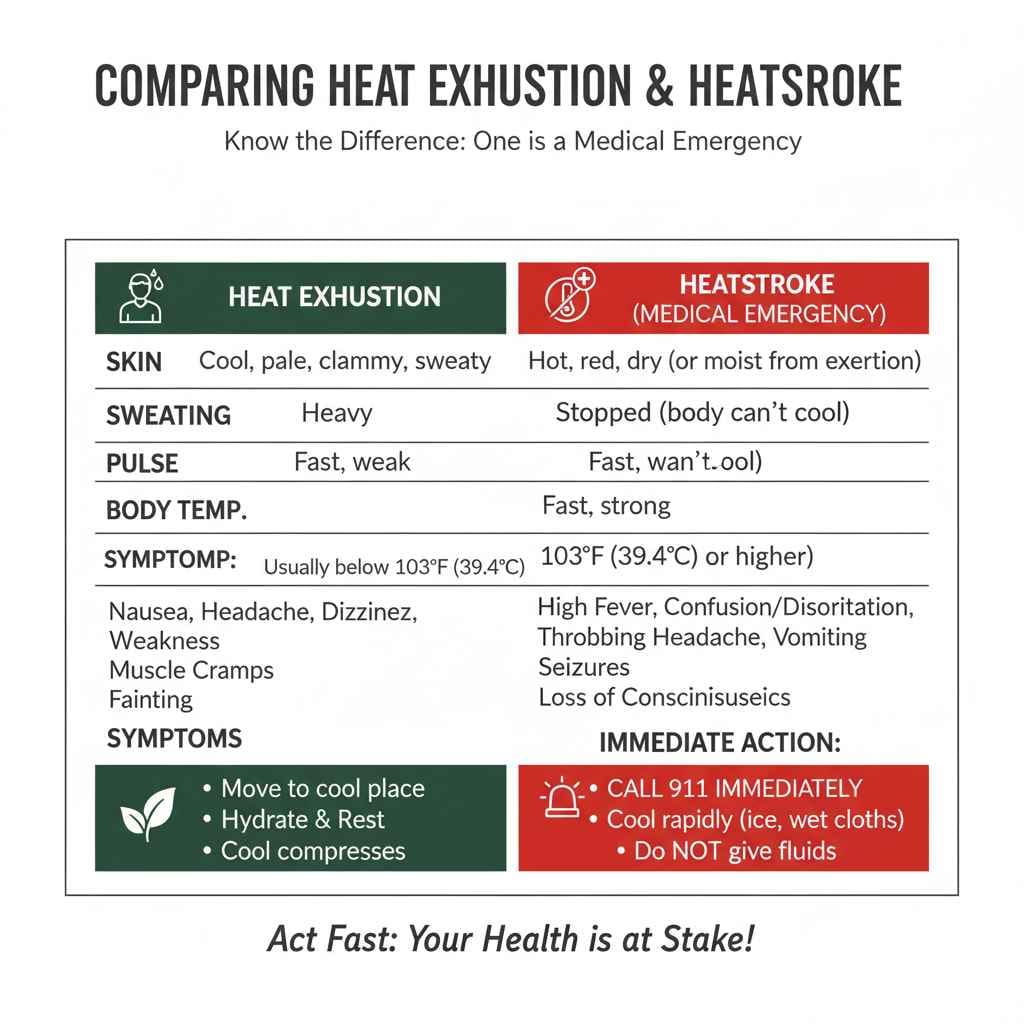
Comparing Heat Exhaustion and Heatstroke
It’s vital to understand the difference between heat exhaustion and heatstroke, as heatstroke is a medical emergency.
| Symptom | Heat Exhaustion | Heatstroke (Medical Emergency) |
|---|---|---|
| Skin | Cool, pale, clammy, often sweaty | Hot, red, and dry (may be moist in cases of heatstroke due to exertion) |
| Sweating | Heavy | Stopped; body can no longer cool itself |
| Pulse | Fast, weak | Fast, strong |
| Body Temperature | Usually below 103°F (39.4°C) | 103°F (39.4°C) or higher |
| Symptoms | Nausea, headache, dizziness, weakness, muscle cramps, fainting | High fever, confusion, throbbing headache, nausea, vomiting, seizures, loss of consciousness |
| Immediate Action | Move to cool place, hydrate, rest, apply cool compresses | CALL 911 IMMEDIATELY. Cool the person rapidly. Do NOT give fluids. |
The distinction is crucial. While heat exhaustion is serious and requires prompt action, heatstroke is life-threatening and requires professional medical intervention without delay. Think of it as the difference between a warning light on your dashboard and the car completely breaking down roadside – one needs attention to prevent failure, the other requires immediate towing and repair.
Frequently Asked Questions About Heat Exhaustion Prevention
Can heat exhaustion be delayed?
Yes, absolutely! By consistently applying preventive measures like staying hydrated, seeking shade, wearing appropriate clothing, and pacing yourself, you can significantly delay or even prevent heat exhaustion from occurring. It’s all about supporting your body’s natural cooling system.
How much water should I drink to prevent heat exhaustion?
A good general guideline is to drink about 8 ounces of water every hour that you are exposed to heat and activity. However, this can vary based on your activity level, how much you sweat, and the temperature. It’s always best to drink consistently throughout the day and monitor the color of your urine, aiming for a pale yellow.
Are sports drinks better than water for preventing heat exhaustion?
For most situations, water is sufficient. Sports drinks can be beneficial if you’re engaging in prolonged, intense physical activity (over an hour) in hot conditions, as they help replenish electrolytes lost through sweat. However, many sports drinks are high in sugar, so plain water is usually the best choice for general hydration and preventing heat exhaustion.
What type of clothing is best for hot weather to prevent overheating?
Opt for lightweight, loose-fitting clothes made from breathable fabrics like cotton or linen. Light colors are better than dark colors, as they reflect sunlight rather than absorbing it. Wearing a wide-brimmed hat also helps protect your head and face from direct sun exposure.
Can medications increase my risk of heat exhaustion?
Yes, certain medications can make you more susceptible to heat-related illnesses. These include diuretics, beta-blockers, antihistamines, and some psychiatric medications. If you are taking any medications, especially for chronic conditions, it’s wise to discuss your heat safety plan with your doctor.
How can I protect my children from heat exhaustion?
Children are more vulnerable to heat. Ensure they drink plenty of fluids, wear light clothing, and have frequent breaks in cool, shaded areas. Never leave a child unattended in a car, even for a short time, as temperatures inside can rise rapidly. Watch for signs of overheating, such as fussiness, lethargy, or unusually warm skin.
What are the immediate signs that someone needs emergency medical help for heat illness?
If someone has a high fever (103°F/39.4°C or higher), is confused, has a throbbing headache, is vomiting, experiencing seizures, or has lost consciousness, call 911 immediately. These are signs of heatstroke, a life-threatening condition that requires urgent medical attention.
Conclusion: Mastering Your Body’s Temperature Control
Staying safe and comfortable in the heat is well within your reach. By understanding that heat exhaustion is your body sending out an alert that its cooling system is struggling, and by implementing the simple, actionable strategies we’ve discussed, you can effectively delay or prevent it.
Think of it like routine maintenance for your car: regular checks, proper fluids, and listening to any unusual sounds can prevent a breakdown. Similarly, consistent hydration, smart clothing choices, strategic breaks, and being mindful of your body’s limits are your personal preventative maintenance. These practices empower you to enjoy warm weather activities without the constant worry of overheating. Embrace these effortless prevention methods, and you’ll find yourself feeling cool, comfortable, and in control, no matter how high the mercury rises.