

Can Exhaustion Cause Heart Palpitations? Proven Guide
Yes, exhaustion can absolutely cause heart palpitations. When your body is extremely tired, it can trigger stress responses that affect your heart rate, leading to those noticeable flutters or skipped beats. This guide breaks down why it happens and what you can do about it.
Feeling your heart flutter or skip a beat? It can be a bit alarming, especially when you’re already feeling worn out. Many people wonder, “Can exhaustion cause heart palpitations?” The answer is a definite yes. When your body is pushed to its limits, it’s common for your heart to react in noticeable ways. Don’t worry, though. Understanding why this happens is the first step to feeling better. We’ll walk you through exactly what’s going on inside your body and give you simple, proven ways to manage it.
Understanding Heart Palpitations and Exhaustion
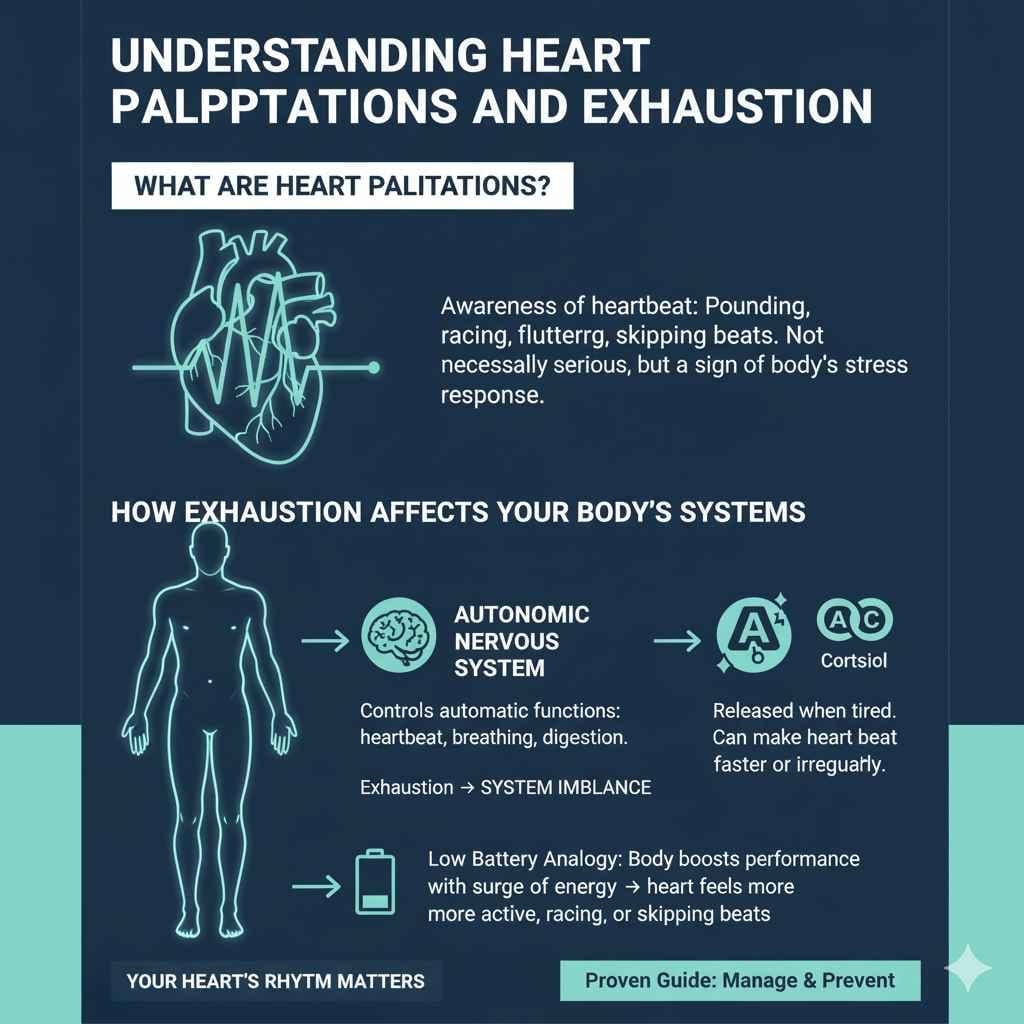
Heart palpitations are those moments when you become aware of your own heartbeat. It might feel like your heart is pounding, racing, fluttering, or skipping beats. While they can happen for many reasons, extreme tiredness, or exhaustion, is a very common trigger. When you’re exhausted, your body is under stress, and this stress can directly influence how your heart functions.
What Are Heart Palpitations?
Think of your heart like a diligent engine. It usually runs smoothly in the background. Heart palpitations are like moments when you suddenly hear that engine, maybe a little louder, a little faster, or with a slight hiccup. They are not necessarily a sign of a serious problem with the heart itself, but rather an awareness of your heart’s rhythm. These sensations can happen when you are resting or active.
How Exhaustion Affects Your Body’s Systems
When you’re exhausted, your body isn’t just feeling tired in your muscles. Every system is affected, especially your autonomic nervous system. This is the part of your nervous system that controls automatic functions like your heartbeat, breathing, and digestion. Exhaustion essentially throws this system out of balance. Your body releases stress hormones like adrenaline and cortisol, which can make your heart beat faster or irregularly.
Imagine your body is running on low battery. To compensate, it might try to boost performance with a surge of energy, like a quick jolt of electricity. That jolt can be your heart suddenly feeling more active. This is why your heart might feel like it’s racing or skipping a beat when you’re just utterly depleted.
The Connection: Exhaustion & Heart Palpitations Explained
The link between being completely worn out and experiencing heart palpitations is quite direct. Exhaustion isn’t just about sleep deprivation; it can stem from prolonged physical or mental stress, illness, or an overly demanding lifestyle. All these scenarios put a strain on your body, and your heart is often one of the first organs to show the effects.
When you’re at the end of your rope, your body’s natural alarm system can be more sensitive. This heightened sensitivity can make you more aware of normal heartbeats or cause minor irregularities to feel more pronounced. It’s your body’s way of signaling that it’s overloaded.
Physiological Triggers of Palpitations Due to Fatigue
Several physiological changes happen when you’re exhausted that can lead to palpitations:
- Hormonal Changes: As mentioned, stress hormones like cortisol and adrenaline pump through your system when you’re exhausted. These hormones are designed to prepare your body for “fight or flight,” and they directly increase your heart rate and can cause irregular beats.
- Electrolyte Imbalances: While less common, severe exhaustion or chronic stress can sometimes lead to subtle shifts in your body’s electrolytes (like potassium and magnesium). These minerals are crucial for proper heart rhythm.
- Dehydration: If exhaustion is linked to not drinking enough fluids, dehydration can also contribute to palpitations. Dehydration makes your blood volume decrease, causing your heart to work harder.
- Increased Sensitivity to Stimulants: When you’re tired, your body can become more sensitive to things you might normally tolerate, like caffeine or even nicotine. These can then trigger palpitations more easily.
- Changes in Autonomic Nervous System: The balance between your sympathetic (fight or flight) and parasympathetic (rest and digest) nervous systems gets disrupted. Exhaustion often pushes the sympathetic system into overdrive.
It’s like a domino effect. Being tired triggers stress, stress releases hormones, hormones pump up your heart, and voilà – you feel palpitations. The good news is that for most people without underlying heart conditions, these palpitations are harmless and resolve when the exhaustion is addressed.
Mental and Emotional Factors
Exhaustion often goes hand-in-hand with mental and emotional stress. Worry, anxiety, and feeling overwhelmed can significantly contribute to heart palpitations. When you’re mentally drained, your mind can race, and this mental turmoil can translate into physical symptoms like a racing or irregular heartbeat. It’s a two-way street: physical exhaustion can worsen emotional stress, and emotional stress can exacerbate physical exhaustion, both feeding into the cycle of palpitations.
Common Causes of Exhaustion Leading to Palpitations
Knowing what’s causing your exhaustion is key to tackling the palpitations. It’s rarely just one thing, but often a combination of lifestyle factors. Here are some of the most common culprits:
- Lack of Sleep: This is the most obvious one. Not getting enough quality sleep (typically 7-9 hours for adults) consistently throws your body’s systems off balance.
- Overexertion: Pushing your body too hard, whether through intense physical training without adequate recovery or working long hours, can lead to physical exhaustion.
- Illness and Recovery: Fighting off an infection or recovering from surgery or a significant illness can leave you profoundly exhausted for an extended period. Your body uses immense energy to heal.
- Stress and Burnout: Chronic stress from work, relationships, or financial worries can lead to severe burnout, a state of emotional, physical, and mental exhaustion.
- Poor Nutrition: A diet lacking essential nutrients, or one high in processed foods and sugar, can leave your body without the fuel it needs, contributing to fatigue and its related symptoms.
- Certain Medications: Some prescription drugs can have fatigue as a side effect, and in some cases, can also influence heart rhythm.
It’s important to identify which of these might be affecting you most. Sometimes, a simple adjustment like prioritizing sleep or managing stress can make a big difference.
How to Identify Palpitations Caused by Exhaustion
Distinguishing palpitations caused by exhaustion from those that might signal a more serious issue is important. While it’s always best to consult a doctor if you’re concerned, here are some typical patterns:
When Do They Occur?
Palpitations linked to exhaustion often occur:
- During periods of high stress or when you’re feeling particularly run down.
- After a period of intense physical or mental exertion.
- When you’re trying to relax but still feel wired or anxious due to fatigue.
- Waking up feeling a strong heartbeat.
- When trying to fall asleep, as your body tries to wind down but stressful hormones might still be active.
What Do They Feel Like?
The sensation can vary:
- A sudden flutter in your chest.
- A skipped beat, followed by a stronger one.
- A feeling of your heart pounding or racing for a few seconds or minutes.
- A noticeable pause between beats.
If the palpitations are brief, infrequent, and occur around times of acknowledged exhaustion or stress, they are more likely to be benign and related to your fatigue. Persistent, very rapid, or very slow palpitations, or those accompanied by chest pain, dizziness, or shortness of breath, warrant immediate medical attention.
When to Seek Medical Advice
While exhaustion-related palpitations are often harmless, you should always err on the side of caution. It’s crucial to understand when to consult a healthcare professional. Self-diagnosing can be risky, and ruling out other causes is essential for your peace of mind and health.
Warning Signs to Watch For
Make an appointment with your doctor if you experience palpitations along with any of the following:
- Chest pain or discomfort.
- Shortness of breath.
- Dizziness or lightheadedness.
- Fainting or feeling like you might faint.
- Palpitations that are very fast, very slow, or irregular for a prolonged period.
- Palpitations that occur frequently and without an obvious trigger like exhaustion.
- A family history of heart disease or sudden cardiac events.
Even if you don’t have these warning signs, if the palpitations are causing you significant anxiety or discomfort, it’s worth discussing with your doctor. They can help determine the cause and provide reassurance or treatment.
Diagnostic Tools Doctors Might Use
To figure out what’s causing your palpitations, your doctor might use several methods:
| Diagnostic Tool | What It Does | Why It Helps |
|---|---|---|
| Electrocardiogram (ECG/EKG) | Records the electrical activity of your heart. | Can detect many types of abnormal rhythms at the moment they occur. |
| Holter Monitor | A portable ECG device that records your heart rate for 24-48 hours or longer. | Captures irregular heartbeats that might not show up on a standard ECG. |
| Event Monitor | Similar to a Holter monitor but is activated by the patient when symptoms occur. | Useful for infrequent symptoms that may not be captured during continuous monitoring. |
| Echocardiogram | An ultrasound of the heart. | Evaluates the heart’s structure and function, looking for underlying issues. |
| Blood Tests | Checks for hormone levels, electrolytes, thyroid function, etc. | Identifies contributing factors like anemia, thyroid issues, or electrolyte imbalances. |
These tests help your doctor get a comprehensive picture of your heart’s health and rule out or identify any underlying conditions that might be contributing to your palpitations, whether they are related to exhaustion or something else.
Proven Strategies to Manage and Prevent Exhaustion-Related Palpitations
The most effective way to manage palpitations caused by exhaustion is to address the exhaustion itself. This involves a combination of lifestyle changes, stress management, and listening to your body’s needs. Here’s a breakdown of actionable steps:
1. Prioritize Sleep and Rest
This might seem obvious, but it’s the cornerstone of recovery. Your body needs time to repair and recharge.
- Consistent Sleep Schedule: Go to bed and wake up around the same time every day, even on weekends.
- Create a Relaxing Bedtime Routine: Wind down for an hour before bed with calming activities like reading, a warm bath, or gentle stretching.
- Optimize Your Sleep Environment: Make your bedroom dark, quiet, and cool.
- Limit Screen Time Before Bed: The blue light from phones and computers can interfere with melatonin production.
Aim for 7-9 hours of quality sleep per night. If you’re struggling with sleep, talk to your doctor; there could be an underlying sleep disorder.
2. Manage Stress Effectively
Reducing stress is vital. Chronic stress is a major contributor to both exhaustion and heart issues.
- Mindfulness and Meditation: Even 5-10 minutes a day can help calm your nervous system. Apps like Calm or Headspace offer guided sessions.
- Deep Breathing Exercises: These simple exercises can quickly reduce heart rate and anxiety. Try the 4-7-8 technique: inhale for 4 counts, hold for 7, exhale for 8.
- Yoga or Tai Chi: These practices combine gentle movement with focused breathing and meditation.
- Spend Time in Nature: A walk in a park or forest can be incredibly restorative.
- Set Boundaries: Learn to say no to commitments that overextend you. Protect your time and energy.
According to the American Heart Association, managing stress is a critical component of heart health.
3. Nourish Your Body
What you eat significantly impacts your energy levels and overall well-being.
- Balanced Diet: Focus on whole foods like fruits, vegetables, lean proteins, and whole grains.
- Stay Hydrated: Drink plenty of water throughout the day. Dehydration can worsen fatigue and affect heart function.
- Limit Stimulants: Reduce intake of caffeine and alcohol, especially in the afternoon and evening, as they can disrupt sleep and trigger palpitations.
- Avoid Processed Foods and Sugary Drinks: These can cause energy crashes later in the day.
Good nutrition provides your body with the building blocks it needs to recover and function optimally.
4. Gradual Return to Activity
If your exhaustion is due to overexertion or illness, don’t jump back into intense activity too quickly.
- Listen to Your Body: Pay attention to signals of fatigue and rest when needed.
- Pace Yourself: Gradually increase the intensity and duration of your physical activity.
- Incorporate Active Recovery: Light activities like walking or stretching can aid recovery without causing more fatigue.
This approach helps prevent relapse into exhaustion and reduces the risk of palpitations. Visit resources like Mayo Clinic for guidance on fitness.
5. Review Medications and Substances
Certain substances can exacerbate palpitations or exhaustion.
- Caffeine and Nicotine: These are common triggers. Consider reducing your intake or quitting.
- Alcohol: While it might make you feel drowsy initially, alcohol can disrupt sleep quality and trigger heart rhythm disturbances.
- Medication Review: Discuss with your doctor about any medications you are taking that could have fatigue or heart-related side effects. Do not stop any prescribed medication without consulting your doctor.
Being mindful of what you consume can significantly impact how your body feels and functions.
Table: Lifestyle Factors and Their Impact on Palpitations
Here’s a quick look at common lifestyle factors and how they can contribute to or alleviate exhaustion-related palpitations:
| Lifestyle Factor | Potential Negative Impact on Palpitations | How to Improve |
|---|---|---|
| Sleep Quality & Duration | Insufficient sleep leads to hormonal imbalance and increased stress response, triggering palpitations. | Establish a regular sleep schedule, create a relaxing bedtime routine, optimize sleep environment. |
| Stress Levels | Chronic stress elevates cortisol and adrenaline, directly impacting heart rate and rhythm. | Practice mindfulness, meditation, deep breathing exercises, set boundaries. |
| Diet & Hydration | Processed foods and dehydration can cause energy crashes and electrolyte imbalances, affecting heart function. | Eat balanced meals with whole foods, drink plenty of water, limit sugar and processed items. |
| Caffeine & Alcohol Intake | Stimulants can overexcite the nervous system, leading to racing or irregular heartbeats. Alcohol can disrupt sleep. | Reduce or eliminate caffeine and alcohol, especially before bed. |
| Physical Exertion | Overexertion without adequate recovery leads to physical exhaustion, a direct cause of palpitations. | Pace yourself, incorporate active recovery, listen to your body’s fatigue signals. |
Making conscious choices in these areas can empower you to regain control over your energy levels and heart health.

Frequently Asked Questions (FAQ)
Q1: Can I have heart palpitations even if I’m not physically exhausted?
A: Yes. While exhaustion is a common cause, heart palpitations can also be triggered by anxiety, stress, certain foods (like caffeine or sugar), hormonal changes (like during pregnancy or menopause), dehydration, or even certain medications. It’s important to consider all potential triggers.
Q2: Are exhaustion-related palpitations a sign of a heart attack?
A: Generally, no. Palpitations from exhaustion are usually benign, meaning they aren’t dangerous. However, if your palpitations are accompanied by chest pain, severe shortness of breath, dizziness, or fainting, seek immediate medical attention as these could be signs of a more serious cardiac event like a heart attack.


