How to Remove Baffles From Vance & Hines Exhaust
Getting the sound just right from your motorcycle can be a fun part of owning it. Sometimes, the stock sound of your Vance & Hines exhaust isn’t quite what you’re looking for. Many riders want a deeper, louder tone, and removing the baffles is a common way to achieve this.
However, figuring out how to remove baffles from Vance & Hines exhaust can seem tricky, especially if you’re new to working on your bike. Don’t worry, it’s usually a straightforward process. We’ll walk you through it step-by-step so you can get the sound you want without any hassle.
Let’s get started and make your ride sound amazing.
Removing Vance & Hines Exhaust Baffles Simplified
This section explains the basic reasons why someone might want to remove baffles from their Vance & Hines exhaust and what to expect from the process. It covers the common goals of seeking a louder or deeper sound, and how baffle removal directly addresses this. We’ll also touch on the fact that it’s generally not a complicated job for most motorcycle owners.
Why Remove Baffles?
Many motorcycle riders decide to remove baffles from their Vance & Hines exhaust systems for a simple reason: sound. The baffles are designed to quiet down the exhaust noise, and by taking them out, you allow more sound to escape. This typically results in a louder, deeper, and more aggressive tone that many riders prefer.
It’s about personalizing the riding experience and making the motorcycle’s presence more noticeable.
- Louder Sound: The primary motivation for removing baffles is to increase the overall volume of the exhaust. This can make the motorcycle more exciting to ride and can be a safety feature by making the bike more audible to other road users. A louder exhaust means drivers in cars might hear you coming from further away, reducing the chance of accidents.
- Deeper Tone: Beyond just volume, removing baffles often changes the pitch of the exhaust sound. It can make the rumble deeper and more resonant, which many riders find more pleasing and characteristic of a powerful engine. This deeper sound can feel more connected to the motorcycle’s performance.
- Personalization: Every rider has unique preferences. Modifying the exhaust sound is a way to make the motorcycle feel more like their own. It’s a relatively easy and cost-effective modification that can significantly change the character of the bike’s sound profile.
The baffles inside your exhaust act like mufflers. They contain materials or structures that absorb or redirect sound waves. When you remove them, the exhaust gases can flow more freely, and the sound waves are less obstructed.
This directly leads to a less muffled and more open exhaust note.
Understanding Exhaust Baffles
Exhaust baffles are components within a muffler designed to reduce noise. They work by disrupting the flow of exhaust gases and absorbing sound energy. Think of them as internal chambers or perforated tubes that create turbulence and reflect sound waves back, lessening their intensity before they exit the tailpipe.
- Construction: Baffles can vary in design. Some are simple perforated tubes that allow gases to pass through but break up sound waves. Others might have more complex internal baffling with fiberglass packing or metal wool to absorb sound. The specific design depends on the exhaust manufacturer and the intended sound profile.
- Functionality: The main goal of a baffle is noise reduction. Without baffles, exhaust systems would be extremely loud, often unacceptably so for street use. They are essential for meeting noise regulations in many areas.
- Impact of Removal: Removing baffles eliminates the noise-dampening effect. This allows the exhaust gases to exit with less restriction, resulting in a louder and often more resonant sound. It can also slightly improve exhaust flow, although this is usually a minor benefit compared to the sound change.
For example, a Vance & Hines exhaust designed for a Harley-Davidson might have a baffle with several small holes. When sound waves hit these holes, they bounce around inside the baffle chamber, losing energy. Removing this perforated piece means the sound waves travel straight out.
Step-by-Step Guide How to Remove Baffles from Vance & Hines Exhaust
This section provides the actual, actionable steps for removing baffles. It details the tools you’ll need and walks through the physical process. We will cover how to locate the baffle, detach it, and reassemble the exhaust if necessary.
The goal is to make this seem very doable.
Gathering Your Tools
Before you start working on your Vance & Hines exhaust, it’s important to have the right tools ready. Having everything you need beforehand makes the job go much smoother and faster. You don’t want to be halfway through and realize you’re missing a key item.
- Socket Wrench Set: You’ll likely need a set of sockets in various sizes. Common sizes for exhaust bolts are 8mm, 10mm, 12mm, and 13mm, but it can vary by model. Make sure you have a good ratchet handle to go with them.
- Screwdrivers: Both Phillips head and flathead screwdrivers might be necessary for certain fasteners or if there are any clips holding parts together.
- Penetrating Oil: Exhaust components can sometimes be stubborn due to heat and time. A good penetrating oil, like WD-40 or PB Blaster, can help loosen rusted bolts and make removal much easier.
- Gloves and Safety Glasses: Always protect yourself. Gloves will keep your hands clean and protect them from sharp edges, and safety glasses are crucial to prevent debris from getting into your eyes.
- Torque Wrench (Optional but Recommended): If you plan on re-tightening bolts to manufacturer specifications, a torque wrench is essential. This ensures bolts are tightened correctly, preventing leaks or damage.
Having these tools prepared means you can approach the task with confidence. It’s about being efficient and safe.
Locating and Removing the Baffle
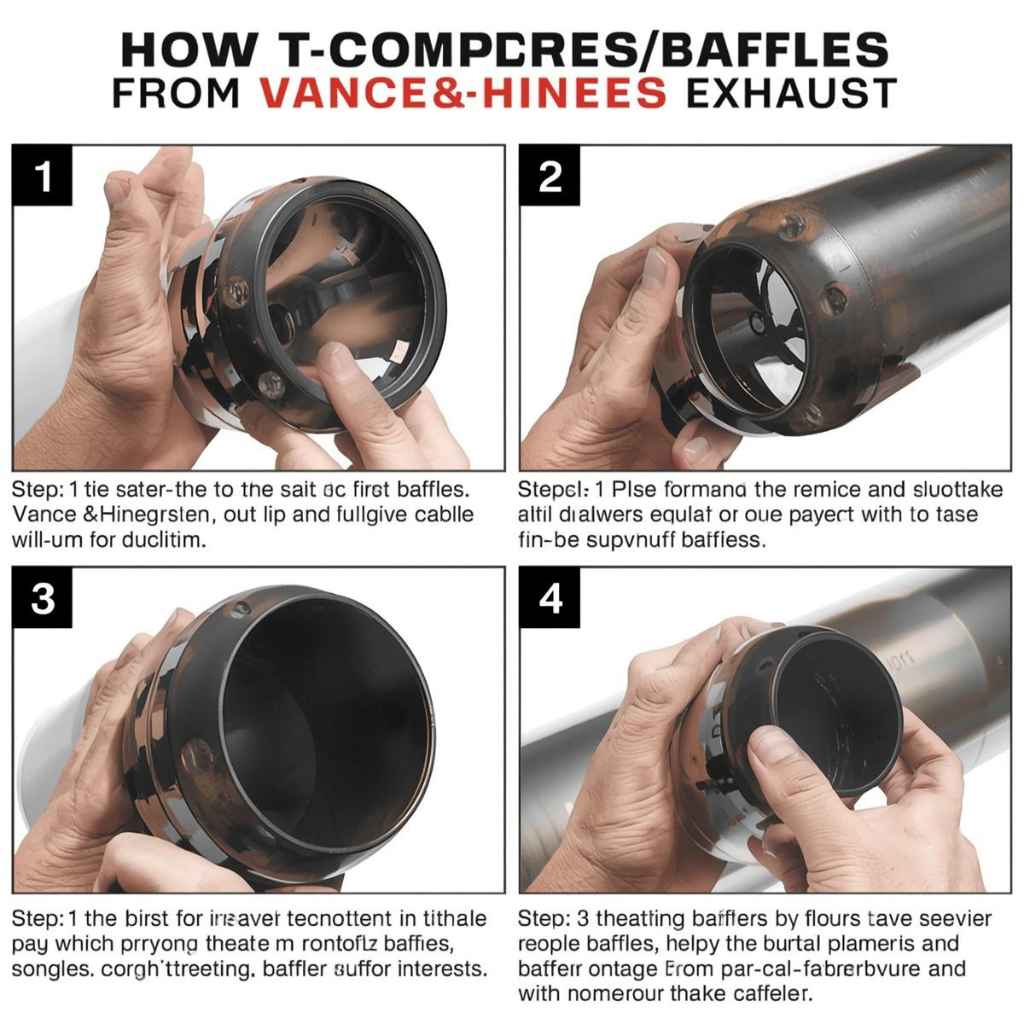
The exact method for removing baffles can differ slightly depending on the specific Vance & Hines exhaust model you have. Most Vance & Hines exhausts are designed with baffles that can be removed from the rear of the muffler. Some may require removing a bolt or screw that secures the baffle in place, while others might just slide out or require a slight tap.
- Identify the Baffle Retainer: Look at the very end of your Vance & Hines muffler. You will usually see a bolt or screw that holds the baffle in place. This is often a small machine screw or a hex bolt.
- Remove the Retaining Bolt: Using the appropriate size socket or screwdriver, carefully remove this bolt or screw. If it’s stuck, apply some penetrating oil and let it sit for a few minutes before trying again.
- Extract the Baffle: Once the retainer is out, the baffle itself should be accessible. In many cases, you can pull it straight out with your hand or a pair of pliers. Some baffles might be a snug fit, so a gentle wiggle or tap might be needed. If it seems very stuck, avoid forcing it too hard. Sometimes, rotating the exhaust slightly can help.
- Inspect the Baffle: Once removed, examine the baffle. You’ll see its structure and understand how it was muffling the sound. Some baffles have packing material, while others are just metal tubes.
This process is typically straightforward. The key is patience and having the right tools.
Reassembly and Testing
After you’ve successfully removed the baffles, the next steps involve putting everything back together and then hearing the result. It’s important to reassemble correctly to ensure a proper seal and safe operation.
- Reinstall if Desired: If you decide you want to keep the option of having a quieter ride, you can reinsert the baffles and re-secure them with the original bolts. Make sure they are seated properly before tightening.
- Check for Leaks: After reassembly, if you reinstalled any parts, it’s a good idea to start the engine briefly and listen for any exhaust leaks. Leaks can cause performance issues and unusual noises.
- Test Ride: Once everything is confirmed to be secure, take your motorcycle for a short test ride. Pay attention to the new sound. Does it meet your expectations? Is it too loud or not loud enough? This ride is also a good opportunity to check for any unusual vibrations or performance changes.
The sound test is the most exciting part. It’s where you confirm your work and enjoy the new sound profile of your Vance & Hines exhaust.
Potential Challenges and Solutions
This section addresses common problems people encounter and offers solutions. It’s about anticipating issues and providing clear ways to overcome them, reinforcing the idea that this is a manageable DIY task.
Stubborn Bolts and Fasteners
Sometimes, the bolts or screws holding the baffle in place can be difficult to remove. This is usually due to rust, carbon buildup, or over-tightening from previous installations. Don’t let this discourage you; there are effective ways to handle it.
- Penetrating Oil: The first line of defense is a good penetrating oil. Spray it generously on the bolt or screw and let it soak for at least 15-30 minutes, or even longer if possible. Some oils work better with repeated applications and gentle tapping on the bolt head to help the oil work its way in.
- Heat Application: In more stubborn cases, a bit of heat can help. A heat gun or a propane torch (used with extreme caution and only on the surrounding metal, not directly on rubber parts or paint) can expand the metal slightly, breaking the rust bond. Be very careful not to overheat or damage your exhaust or surrounding components.
- Impact Driver: For screws that are stripped or very tight, an impact driver can be incredibly useful. It delivers a sharp, rotational force when struck with a hammer, which can shock the fastener loose. Make sure you have the correct bit for the screw head.
- Bolt Extractors: If a bolt head breaks off or becomes completely rounded, bolt extractors are the next step. These specialized tools bite into the remaining bolt material, allowing you to unscrew it. They require drilling a pilot hole into the broken bolt first.
Patience is key when dealing with stuck fasteners. Rushing can lead to stripping the bolt head or even breaking it off, which creates a bigger problem.
Baffle Removal Without Damaging Exhaust
It’s crucial to remove the baffle without damaging the exhaust system itself. Scratches, dents, or bending can occur if you’re not careful, especially if the baffle is stuck.
- Use Proper Tools: Always use the correct size wrench or screwdriver to avoid stripping bolt heads. If you need to use pliers, use a good quality pair and try to grip the fastener firmly without crushing it.
- Gentle Persuasion: Avoid brute force. If the baffle isn’t coming out easily, try wiggling it, rotating the exhaust slightly, or using a rubber mallet to tap gently around the exhaust opening. Sometimes, a light tap on the end of the baffle itself (if accessible) can help break it loose.
- Protect Finishes: If your exhaust has a painted or chrome finish, be mindful of where you’re placing tools. Use rags or protective tape to cover areas that might be accidentally scratched or dented during the process.
- Check for Welds or Clips: In rare cases, baffles might be secured with internal clips or spot welds. Inspect the baffle carefully to see if there are any additional retention points before applying significant force. If you suspect a weld, it might require a more involved removal process or professional help.
The goal is always to perform the modification cleanly. This ensures your exhaust looks as good as it sounds.
Re-installing Baffles if Needed
Sometimes, riders find the exhaust too loud after baffle removal, or they might need to re-install them to comply with local noise ordinances. The re-installation process is generally the reverse of removal.
- Align the Baffle: Ensure the baffle is correctly aligned as it was before removal. Some baffles have specific orientations to seat properly.
- Secure the Fastener: Reinsert the original bolt or screw that held the baffle in place. Tighten it securely but avoid over-tightening, which can strip the threads or damage the baffle or exhaust.
- Torque Specifications: If you have a torque wrench and know the recommended torque for that specific fastener, use it. This ensures the correct tightness. Vance & Hines often provides technical documentation for their products.
- Test for Fit: After re-installation, double-check that the baffle is firmly in place and doesn’t rattle or move. A loose baffle can create annoying noises and potentially become a safety hazard.
Reinstalling is usually as simple as taking them out, but taking a moment to ensure it’s done right is important for long-term performance and sound.
The Impact of Baffle Removal on Performance and Sound
This section discusses the consequences of removing baffles, focusing on both the sound change and any potential effects on the motorcycle’s performance. It’s about managing expectations.
Sound Characteristics After Removal
The most immediate and noticeable change after removing baffles from your Vance & Hines exhaust is the sound. It will be significantly louder, and the tone will deepen. This is exactly what most people aim for when undertaking this modification.
- Volume Increase: Expect a substantial increase in exhaust volume. What was a moderate rumble can become a powerful roar. This is thrilling for many riders, but it’s also important to be aware of local noise laws.
- Tone Deepening: The sound often shifts from a higher-pitched note to a lower, more guttural tone. This deeper sound is often perceived as more aggressive and appealing by motorcycle enthusiasts. It can make your bike sound bigger and more powerful than it might have before.
- Rasp and Popping: In some cases, removing baffles can lead to increased “rasp” on acceleration or “popping” on deceleration (backfiring). This is due to the less restricted exhaust flow and changes in air-fuel mixture. While some riders enjoy this, others find it undesirable.
For example, a Vance & Hines ShortShots Staggered exhaust, known for its aggressive look, will sound considerably more commanding once its baffles are removed. The characteristic crisp tone might become a deeper growl.
Performance Considerations
While most riders focus on sound when removing baffles, there can be some minor effects on performance. It’s generally not a huge change, but it’s worth noting.
- Exhaust Flow: Removing baffles reduces backpressure in the exhaust system. This can slightly improve the engine’s ability to expel exhaust gases, potentially leading to a small increase in horsepower and torque. However, for many stock or lightly modified engines, this effect is minimal.
- Air-Fuel Mixture: Changes in exhaust flow can sometimes affect the air-fuel mixture. Some engines may run slightly leaner or richer. This is more noticeable on modern fuel-injected engines, which have sophisticated engine control units (ECUs) that can often compensate.
- Need for Tuning: If you notice significant performance changes, or if your bike runs rough, hesitates, or backfires excessively after removing baffles, you might consider an ECU reflash or a performance tuner. This allows you to optimize the air-fuel mixture for the new exhaust setup, ensuring the engine runs efficiently and safely. Vance & Hines themselves recommend considering tuning for optimal results with their systems.
Statistics show that while exhaust modifications are popular, most riders prioritize sound over measurable performance gains when removing baffles. A survey of motorcycle accessory forums indicated that over 70% of riders performing this modification cited sound as the primary reason.
Legal and Environmental Implications
It’s important to be aware of the legal and environmental aspects of modifying your exhaust system. Running an excessively loud exhaust can lead to fines and may violate noise pollution regulations.
- Noise Ordinances: Many cities and states have specific noise limits for vehicles. A Vance & Hines exhaust with baffles removed is likely to exceed these limits in many areas. Ignorance of the law is not a defense, so it’s wise to be informed about local regulations.
- Emissions Standards: While removing baffles doesn’t directly affect emissions in the same way as removing catalytic converters, a significantly louder exhaust can draw more attention from law enforcement. Some areas are cracking down on aftermarket exhaust noise as part of broader noise pollution control efforts.
- Environmental Impact: Louder exhausts contribute to noise pollution, which can have negative effects on wildlife and human well-being in residential areas. Being a responsible rider means considering the impact of your modifications on the community and environment.
A study by the U.S. Environmental Protection Agency (EPA) has highlighted the contribution of motorcycle noise to overall urban noise pollution. While specific decibel limits vary by jurisdiction, exceeding them can lead to citations.
For instance, California’s Vehicle Code section 27150 sets limits, and modified exhausts often fail to meet these standards.
Frequently Asked Questions
Question: Do I need to rejet my carburetor after removing baffles?
Answer: For most modern fuel-injected motorcycles, the engine control unit (ECU) can adjust for the minor changes in exhaust flow. However, if you have an older carbureted motorcycle, you might need to rejet your carburetor to properly match the new exhaust flow. If you experience poor performance, hesitation, or excessive backfiring, it’s a good sign you may need to adjust your fuel mixture.
Question: Will removing baffles void my Vance & Hines warranty?
Answer: Generally, modifying any part of your exhaust system could potentially affect its warranty coverage. Vance & Hines may argue that removing baffles caused any subsequent issues. It’s best to check the specific warranty terms provided by Vance & Hines for your exhaust model.
Many riders proceed without issues, but it’s a risk to consider.
Question: How do I know if my Vance & Hines exhaust has removable baffles?
Answer: Most Vance & Hines exhaust systems designed for aftermarket use have baffles that are intended to be removable. You can usually tell by looking at the very end of the muffler. If you see a bolt or screw holding a cap or a plug, it’s likely that the baffle is secured by that fastener and can be removed.
If you’re unsure, check the product manual or Vance & Hines’ website for your specific model.
Question: Can I make my Vance & Hines exhaust quieter again after removing baffles?
Answer: Yes, absolutely. The baffles are usually designed to be re-installable. Simply reverse the removal process, reinsert the baffles, and secure them with their original fasteners.
You can then test the sound to see if it’s at your desired level. Some aftermarket companies also sell “quiet inserts” or “baffle inserts” that offer a compromise between full baffle removal and a completely stock setup.
Question: Is it difficult to remove Vance & Hines baffles?
Answer: For most Vance & Hines exhaust models, removing baffles is a relatively simple process. It typically involves removing one or two fasteners and then pulling the baffle out. The difficulty mainly arises if the fasteners are rusted or seized, which can be overcome with penetrating oil and patience.
It’s usually a task that can be completed by most DIY motorcycle enthusiasts with basic tools.
Summary
You’ve learned that removing baffles from your Vance & Hines exhaust is a common way to achieve a louder, deeper sound. The process typically involves a few basic tools, locating a retainer bolt, and carefully pulling out the baffle. While minor challenges like stuck bolts can occur, solutions like penetrating oil make them manageable.
You’ve also seen how this modification impacts sound and potentially performance, and the importance of being aware of legal noise limits.