How to Remove Baffle from Yoshimura Exhaust Easily
Many motorcycle riders want to change the sound of their exhaust. A Yoshimura exhaust can sound great, but sometimes the baffle makes it too quiet. Figuring out How to Remove Baffle from Yoshimura Exhaust Easily can seem tricky, especially if you are new to working on your bike.
Don’t worry, this guide will break it down. We will show you simple steps to get your exhaust sounding just how you like it. Let’s get started so you can enjoy your ride more.
Why People Modify Yoshimura Exhaust Baffles
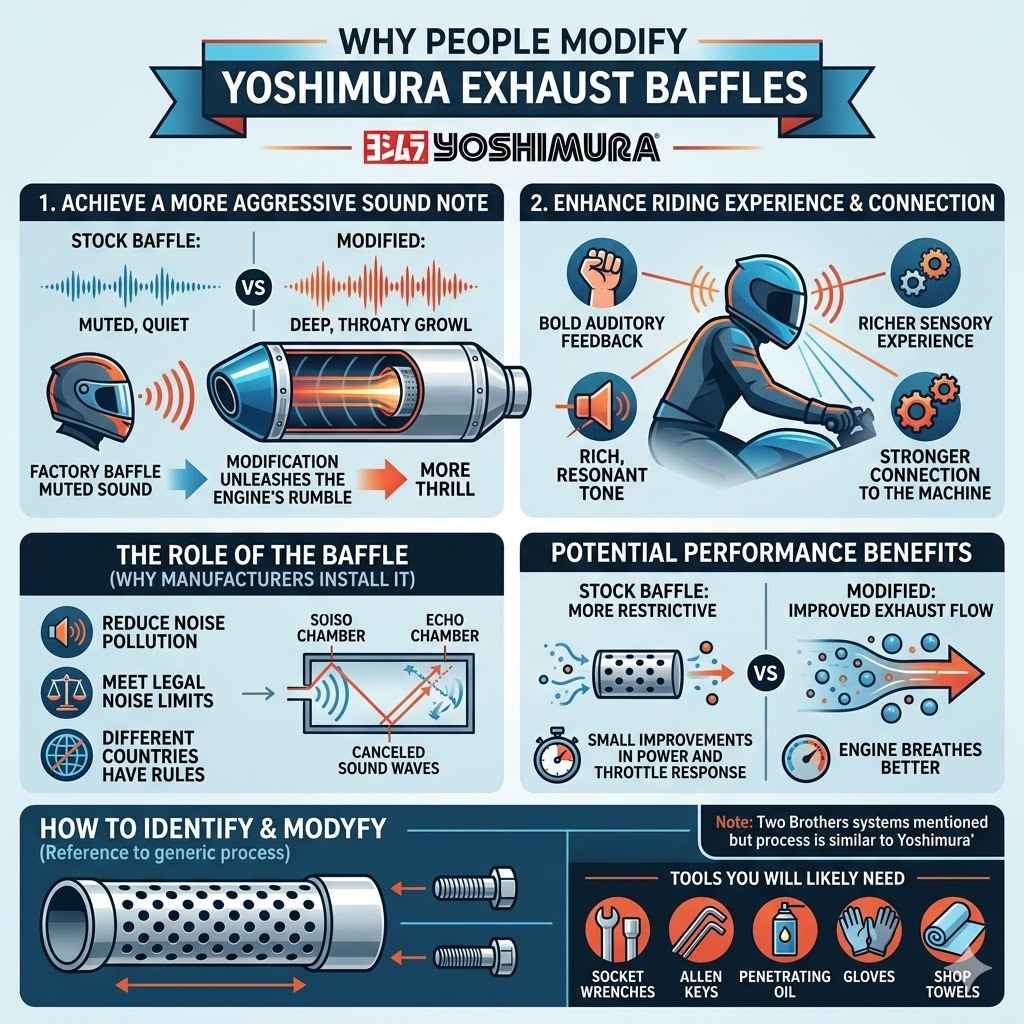
Many motorcycle owners enjoy the look and quality of Yoshimura exhausts. However, the factory baffle is designed to meet noise regulations and can sometimes mute the deep, aggressive sound that many riders desire. Removing or modifying this baffle is a common way to achieve a more thrilling exhaust note.
This allows the engine’s natural rumble and the exhaust’s design to create a more prominent and exciting sound profile, enhancing the overall riding experience. It’s a popular modification for those seeking a bolder auditory feedback from their machine.
The Role of the Baffle in Exhaust Systems
A baffle is a component inside a motorcycle’s exhaust muffler. Its main job is to quiet down the loud noise produced by the engine’s combustion. It does this by redirecting sound waves.
Think of it like an echo chamber; it bounces the sound around inside the muffler. This bouncing causes sound waves to cancel each other out. This makes the exhaust much quieter.
Without a baffle, the sound would travel straight out, making it very loud.
Manufacturers use baffles to meet legal noise limits. These limits are in place to reduce noise pollution. Different countries and states have different rules about how loud a motorcycle can be.
The baffle is a key part of making sure an exhaust system stays within these legal requirements. It balances performance with regulatory compliance.
Some riders find that the stock baffle makes the exhaust too restrictive. This can sometimes limit the engine’s ability to breathe. Removing the baffle can help the engine perform better.
It allows exhaust gases to flow out more freely. This can lead to small improvements in power and throttle response.
Achieving a Deeper Exhaust Tone
The sound of a motorcycle exhaust is a big part of its appeal. A Yoshimura exhaust is known for its quality and performance. When a baffle is removed, the exhaust note changes significantly.
The sound becomes deeper, louder, and more resonant. This is because the sound waves are no longer being significantly dampened. The engine’s combustion process is heard more directly, creating a richer, more powerful tone.
Many riders find this sound to be more exciting and a better reflection of their motorcycle’s performance capabilities.
This modified sound can also improve the rider’s connection to their machine. The engine’s growl becomes more apparent, providing constant feedback. This feedback can enhance the overall sensory experience of riding.
It adds an auditory dimension that many enthusiasts seek when customizing their bikes. It’s about making the machine sound as powerful and aggressive as it looks and performs.
Tools and Preparations for Baffle Removal
Before you start, gathering the right tools is essential for a smooth process. Having everything ready saves time and prevents frustration. Most Yoshimura exhaust baffles are secured with a screw or bolt.
This fastener is usually located at the tip of the exhaust or sometimes on the side. You will likely need a basic set of tools. This typically includes a screwdriver or a wrench.
The size needed will depend on the specific fastener.
It’s also a good idea to have some safety gear. Gloves can protect your hands from grease and sharp edges. Safety glasses are important to keep debris out of your eyes.
Make sure your motorcycle is parked on a stable, flat surface. If you are working on a hot exhaust, let it cool down completely. A hot exhaust can cause severe burns.
This preparation ensures you can perform the task safely and efficiently.
Essential Tools for the Job
The most common tool you’ll need is a screwdriver. Many Yoshimura baffles use a Phillips head screw. Sometimes, a flathead screwdriver might be necessary.
You might also need a socket wrench or an Allen key set. This is if your baffle is held in place by a bolt. The exact tool depends on the specific model of your Yoshimura exhaust.
It’s wise to inspect the fastener before you begin.
A penetrating lubricant like WD-40 can be very helpful. If the screw or bolt is stuck or rusted, this spray can loosen it. This makes removal much easier.
It prevents stripping the screw head. A small brush can also be useful to clean around the fastener area before you try to loosen it. This ensures your tool gets a good grip.
Safety Precautions Before You Begin
Safety is always the top priority when working on your motorcycle. Always ensure your bike is on a level, stable surface. Use a kickstand or a paddock stand if needed.
If you have recently ridden your motorcycle, allow the exhaust system to cool down completely. Exhaust components can get extremely hot and cause serious burns.
Wearing protective gloves is a good idea. This keeps your hands clean and protects them from any sharp edges on the exhaust. Safety glasses are crucial to prevent any dirt, rust, or small debris from getting into your eyes.
If you are working in a confined space, ensure there is good ventilation. This is especially important if you use any lubricants or cleaning sprays.
How to Remove Baffle from Yoshimura Exhaust Easily
This is where we get to the main event. Following these steps makes How to Remove Baffle from Yoshimura Exhaust Easily a straightforward task for most riders. The process is generally the same across many Yoshimura exhaust models, but always check your specific exhaust’s manual if you have it.
The goal is to locate the retaining fastener and carefully remove it. Once that’s done, the baffle usually slides or pulls out.
Remember that removing the baffle will make your exhaust louder. Ensure this is what you want. Also, check local laws regarding exhaust noise levels.
Some areas have strict regulations. Making your exhaust illegally loud could lead to fines or other penalties. Always ride responsibly and be mindful of your surroundings and other road users.
Locating the Baffle Retainer
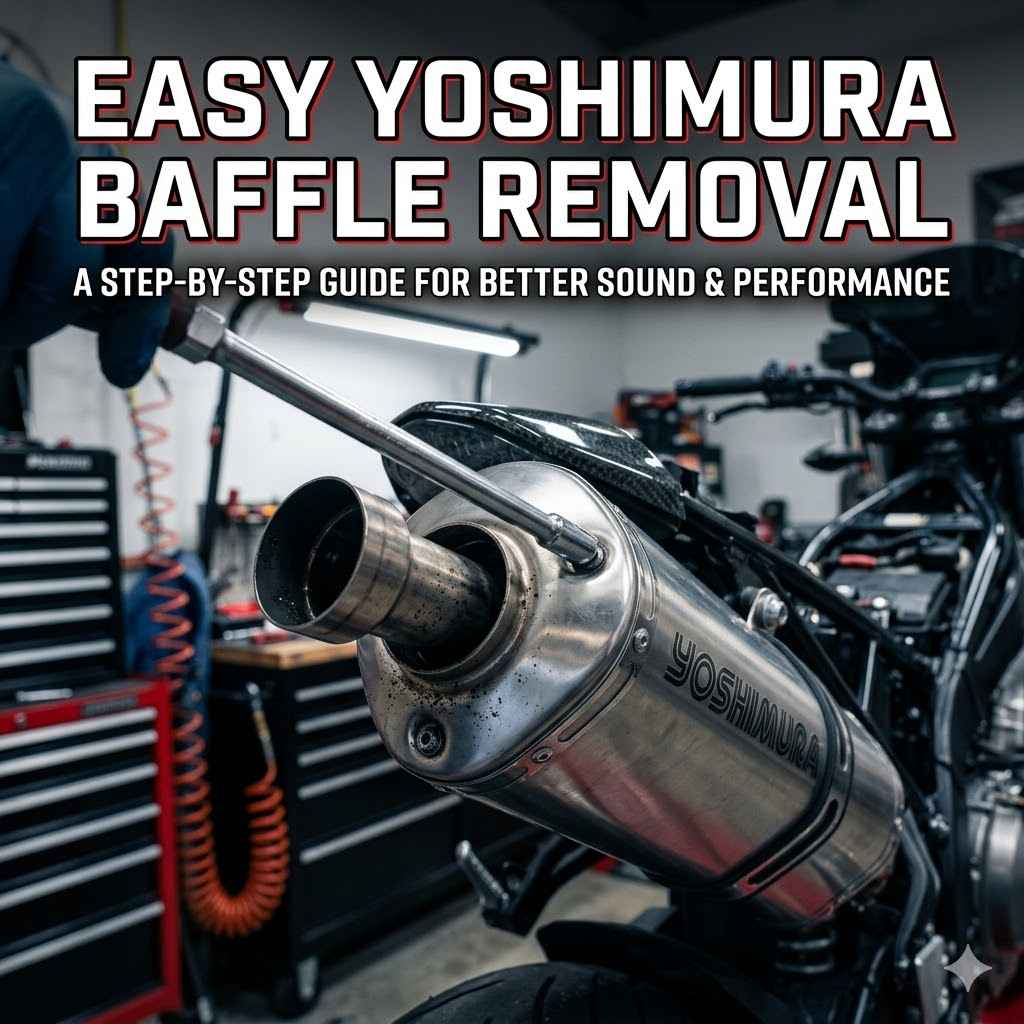
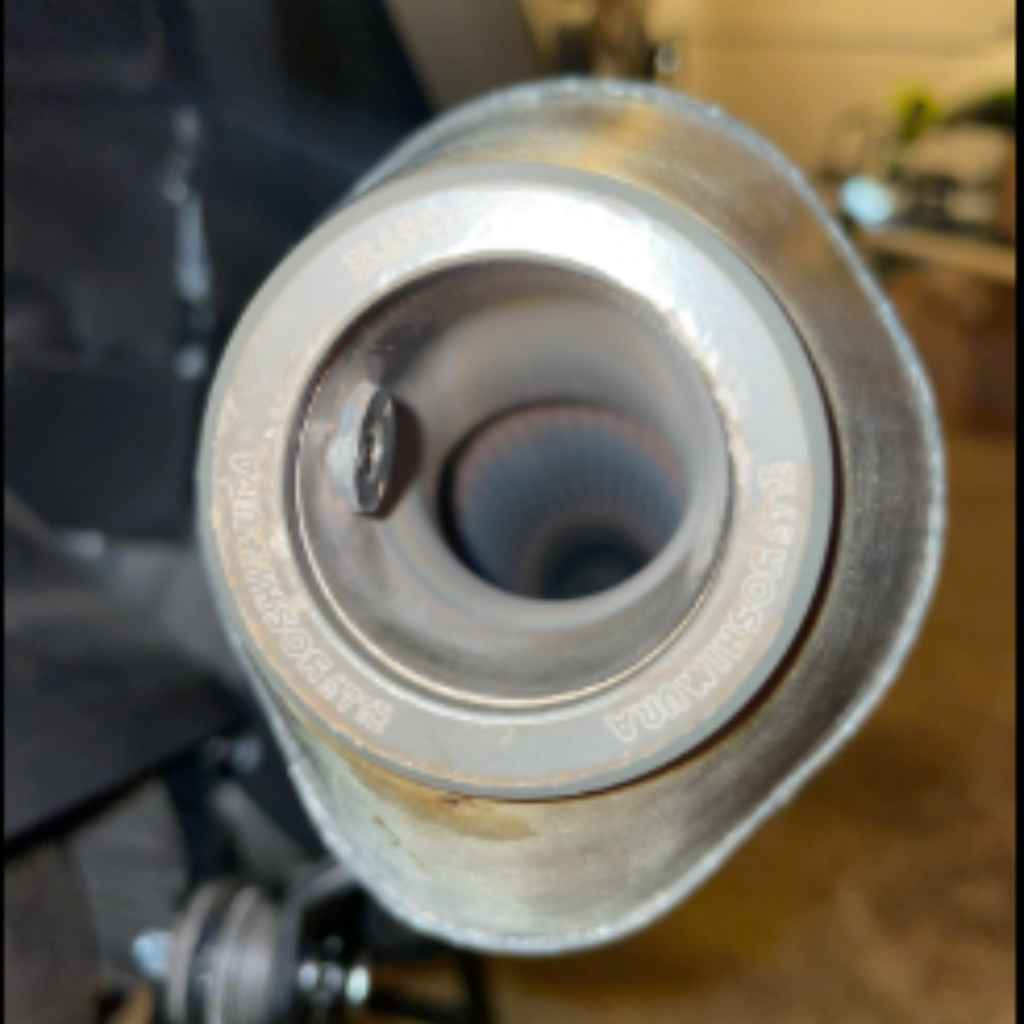
The baffle in a Yoshimura exhaust is typically held in place by a single screw or bolt. This fastener is almost always located at the very end of the exhaust pipe, inside the exhaust tip. You will see a small hole, and within that hole, a screw or bolt head.
Sometimes this is a hex screw (Allen key) or a Phillips head screw. Take a close look at the exhaust outlet.
If you can’t immediately see a screw or bolt, it might be covered by a small metal cap or plug. Gently try to pry this off with a small flathead screwdriver. Be careful not to scratch the exhaust finish.
Once the fastener is visible, identify the type of head it has. This will tell you exactly which tool you need to use.
Step-by-Step Removal Process
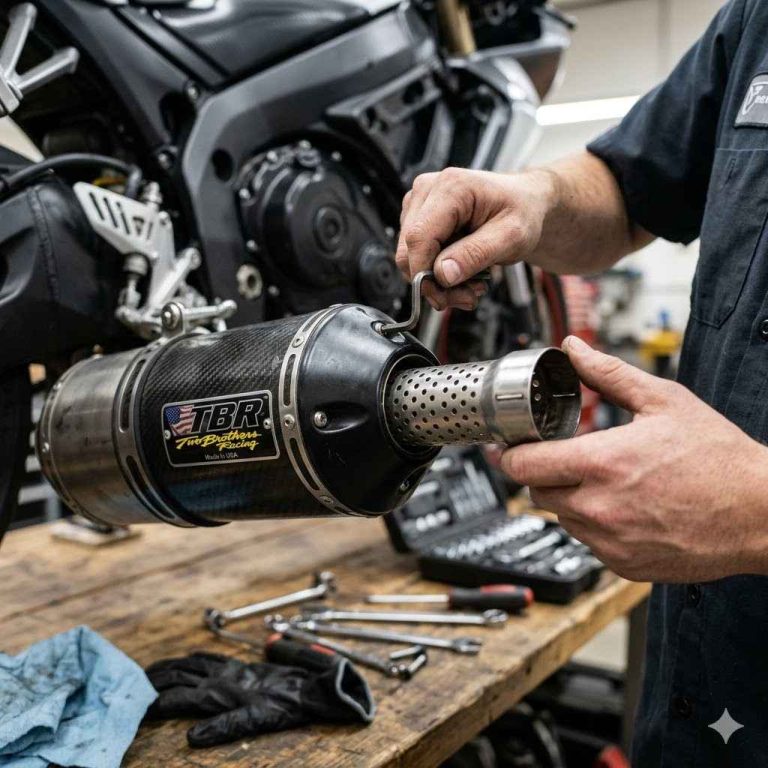
First, ensure you have the correct tool for the fastener. For example, if it’s a Phillips head screw, use a Phillips head screwdriver. Make sure the screwdriver fits snugly into the screw head to avoid stripping it.
Gently insert the tool into the fastener. Turn the screw or bolt counter-clockwise. Apply steady pressure.
If it feels very tight, you can spray a little penetrating lubricant around it and let it sit for a few minutes. This helps to loosen any rust or grime.
Once the screw or bolt is fully removed, set it aside in a safe place. You will need it if you ever want to re-install the baffle.
Now, the baffle itself needs to be removed. Most Yoshimura baffles are designed to slide or pull out from the end of the exhaust pipe. You might need to wiggle it gently.
Sometimes, a pair of pliers can help grip the baffle’s edge if it’s stuck. Be careful not to damage the exhaust pipe’s inner surface while pulling.
If the baffle is very stubborn, a light tap on the end of the exhaust might help loosen it. Do not hit it hard, as this can damage the exhaust. Once the baffle is out, you have successfully completed the main part of the process.
Reinstalling the Baffle (Optional)
If you decide to put the baffle back in later, the process is simply the reverse of removal. Slide the baffle back into the exhaust pipe until it’s fully seated. Make sure it is aligned correctly.
Then, take the screw or bolt you removed earlier. Insert it back into its original hole. Tighten it snugly but do not overtighten it.
Overtightening can strip the threads or damage the exhaust. A snug fit is all that’s needed to keep the baffle securely in place. This allows you to switch between loud and quiet modes as needed.
Troubleshooting Common Issues
Sometimes, removing a baffle isn’t as simple as it sounds. You might encounter a few common problems. These can range from a stuck fastener to a baffle that refuses to budge.
Don’t get discouraged if you face a challenge. With a few tricks, most issues can be resolved. The key is patience and using the right methods.
Dealing with stuck parts requires a gentle approach. Forcing things can lead to damage. Always try to understand why something is stuck before applying more force.
Often, a little bit of time and the right product can solve the problem without any harm to your exhaust.
Dealing with Stuck Fasteners
If the screw or bolt is difficult to turn, it’s likely due to rust or tight fitting. The first thing to try is a penetrating lubricant. Spray a good amount around the fastener and let it soak in for at least 15-30 minutes, or even longer for stubborn rust.
Brands like WD-40 or PB B’laster are effective.
After soaking, try turning the fastener again. If it still won’t budge, you might need to use a bit more leverage. A longer wrench can provide more torque.
However, be very careful not to strip the head of the screw or bolt. If the head starts to round off, stop immediately. You might need a screw extractor tool in that case.
Another trick is to gently tap the head of the fastener with a hammer. This vibration can help break the rust bond. Do this lightly while applying pressure with your wrench or screwdriver.
Sometimes, applying heat can also help, but this should be a last resort for exhaust components and done with extreme caution to avoid damaging seals or surrounding parts.
Removing a Stubborn Baffle
If the baffle itself is stuck inside the exhaust pipe, gentle persuasion is key. After removing the fastener, try wiggling the baffle back and forth. A slight twisting motion might also help loosen it.
If wiggling doesn’t work, a pair of slip-joint pliers or locking pliers can be used to grip the edge of the baffle. Apply steady, even pressure to pull it out. Be careful not to scratch the inside of the exhaust pipe or the baffle itself, as this can make future installation harder.
For extremely stubborn baffles, sometimes tapping lightly on the end of the exhaust pipe with a rubber mallet can help. This shock can dislodge the baffle. Another method is to use a long bolt or rod that fits through the baffle and gently tap it from the front of the exhaust, pushing it towards the rear.
Ensure you are pushing on a solid part of the baffle.
When to Seek Professional Help
While removing a Yoshimura exhaust baffle is usually a DIY job, there are times when professional help is best. If you find that the fastener is completely seized or the head is stripped, attempting to remove it further could cause significant damage. A professional mechanic has specialized tools and techniques to handle these situations without compromising your exhaust system.
Additionally, if you are uncomfortable with any part of the process, or if your exhaust system is particularly old or has been modified previously, it might be wise to consult a professional. They can ensure the job is done correctly and safely, preventing potential issues down the line. This is especially true if you are worried about damaging expensive aftermarket parts like your Yoshimura exhaust.
Understanding the Impact of Baffle Removal
Once you’ve removed the baffle, you’ll notice a significant change in your motorcycle’s sound. The exhaust will be louder and have a deeper tone. This is the primary reason most people do this modification.
However, there are other aspects to consider. These include the legal implications and the potential effect on engine performance. It’s good to be aware of these changes before you ride.
The sound of your bike is a big part of the riding experience. A louder exhaust can make your presence more known on the road, which can be a safety benefit. However, it can also be a nuisance to others, especially in residential areas or at night.
Balancing these factors is important.
Changes in Exhaust Sound and Volume
The most immediate and noticeable effect of removing a baffle is the increase in exhaust volume. The sound will be much louder and more aggressive. The tone will deepen, giving your motorcycle a more powerful and throaty roar.
This is because the sound waves are no longer being absorbed or redirected by the baffle’s internal chambers. They travel more directly out of the exhaust, creating a bolder sound.
Many riders find this enhanced sound to be more exhilarating. It can make the riding experience feel more visceral and engaging. The engine’s natural sound is amplified, creating a symphonic connection between the rider and their machine.
This is often what riders are seeking when they customize their exhaust systems.
Legal Considerations and Noise Ordinances
It’s very important to be aware of local noise regulations. Many cities and states have laws that limit how loud a motorcycle exhaust can be. These laws are in place to reduce noise pollution and maintain peace.
Removing the baffle from your Yoshimura exhaust will almost certainly make it louder than the legal limit in many areas.
Riding with an excessively loud exhaust can result in fines, tickets, or even the confiscation of your vehicle in some extreme cases. Before you remove the baffle, check the noise ordinances for your specific location. Some areas might allow for slightly louder exhausts, while others are very strict.
Ignorance of the law is not a valid defense.
Many Yoshimura exhausts are designed to meet specific emissions and noise standards when the baffle is installed. Removing it may alter these characteristics. This is something to keep in mind, especially if you live in an area with strict emissions testing.
Potential Impact on Engine Performance
Removing the baffle can sometimes lead to a slight improvement in engine performance. This is because the exhaust gases can flow out more freely. When a baffle is present, it can create backpressure.
This backpressure can sometimes hinder the engine’s ability to expel exhaust gases efficiently. A less restrictive exhaust allows the engine to “breathe” better.
This can result in small gains in horsepower and torque, especially at higher RPMs. Some riders report a more responsive throttle. However, the actual performance increase varies greatly depending on the specific motorcycle model, engine size, and the overall exhaust system design.
For many riders, the primary motivation is sound, not performance gains.
It’s also worth noting that for some engines, particularly smaller ones, removing the baffle might actually hurt performance. This is because some engines are tuned to work with a certain amount of backpressure. Too little backpressure can lead to a loss of low-end power.
For most modern performance motorcycles with aftermarket exhausts like Yoshimura, removing the baffle is generally beneficial or neutral for performance.
Frequently Asked Questions
Question: How do I know if my Yoshimura exhaust has a removable baffle
Answer: Most Yoshimura exhausts designed for performance modifications will have a removable baffle. It is usually secured by a single screw or bolt at the end of the exhaust pipe. Check the exhaust tip for any visible fasteners.
Question: Can I reinstall the baffle after removing it
Answer: Yes, you can reinstall the baffle. Simply reverse the removal process. Slide the baffle back into the exhaust and secure it with the original screw or bolt.
Question: What happens if I lose the baffle screw
Answer: If you lose the baffle screw, you can usually find a replacement at a local hardware store or an online motorcycle parts retailer. Make sure to get the correct size and thread pitch.
Question: Will removing the baffle void my Yoshimura warranty
Answer: It’s possible that removing the baffle could void certain parts of your Yoshimura warranty, especially if it leads to damage. It’s best to check the specific warranty terms provided by Yoshimura.
Question: Is it legal to remove the baffle from my motorcycle exhaust
Answer: The legality depends entirely on your local laws and noise ordinances. Many places have strict regulations on exhaust noise levels, and removing a baffle will likely make your exhaust too loud.
Summary
You have learned How to Remove Baffle from Yoshimura Exhaust Easily. It involves a few simple steps: gather your tools, locate the fastener, and carefully remove both the fastener and the baffle. Remember to consider the increased sound and potential legal implications.
This modification can greatly enhance your riding experience with a bolder exhaust note.