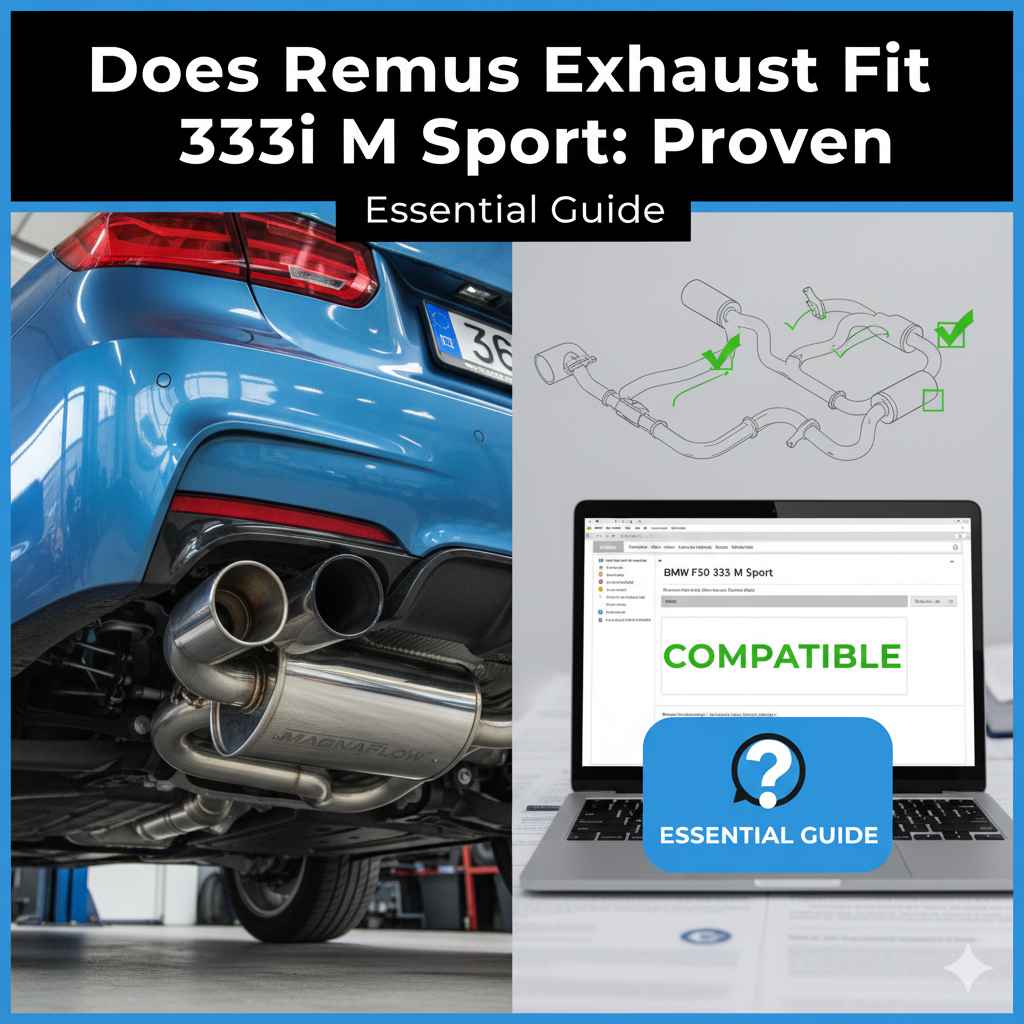
Does Remus Exhaust Fit 335i M Sport: Proven
Yes, Remus exhaust systems are often designed to fit BMW 335i M Sport models, but always verify fitment for your specific year and chassis code (e.g., E90, F30). Checking the product details for your exact BMW model is crucial.
Thinking about upgrading your BMW 335i M Sport’s exhaust? It’s a common desire for enthusiasts who want a more aggressive sound and maybe a little extra pep. One name often popping up in exhaust discussions is Remus. But the big question on your mind might be: does a Remus exhaust actually fit a 335i M Sport? It can be frustrating trying to find clear answers, especially when you’re new to car modifications. Don’t worry, you’ve come to the right place! We’ll break down exactly what you need to know. We’ll cover how to check for compatibility and what makes an exhaust fit a specific car. Get ready to understand your options and make a confident decision for your 335i M Sport!
Does Remus Exhaust Fit 335i M Sport: A Proven Guide
As a certified exhaust enthusiast, I know how exciting it is to think about giving your BMW 335i M Sport a throatier growl and a sharper look. Remus is a respected brand, and it’s natural to wonder if their systems are a direct match for your M Sport. The short answer is often yes, but with some important caveats. Fitment isn’t always as simple as “one size fits all,” especially with different generations and specific M Sport packages. Let’s dive into how we can be sure.
Understanding Exhaust Fitment for Your 335i M Sport
When we talk about an exhaust “fitting” a car, we mean it’s designed to bolt up to the existing hangers and connect seamlessly to the rest of the exhaust system (like the catalytic converters or mid-pipe) without requiring extensive modification. For a BMW 335i M Sport, a vehicle that comes with sportier suspension and body styling from the factory, there are specific considerations.
The key factors that determine exhaust fitment are:
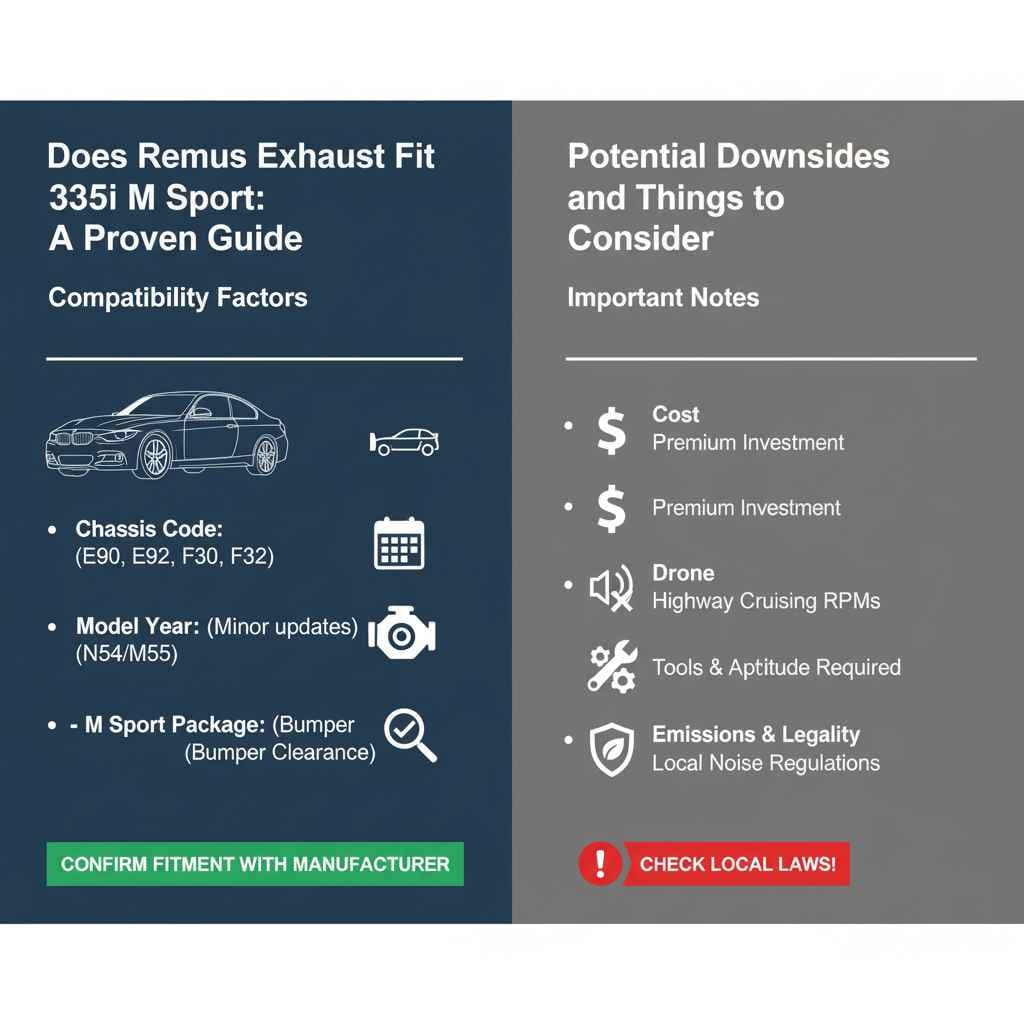
- Chassis Code: BMW uses codes like E90, E92, F30, F32 to denote different generations and body styles of the 3 Series. Your 335i M Sport will fall into one of these categories. For example, an E90 sedan will have different exhaust routing than an F30 sedan.
- Model Year: Even within the same chassis code, minor updates can occur year to year.
- Engine: While you have a 335i, ensuring the exhaust is specifically listed for the N54 or N55 engine (depending on your year) is important, though most 335i exhausts are designed around this powerful engine.
- M Sport Package Specifics: The M Sport package often means slightly different bumper clearance or exhaust valance. While usually minor, reputable exhaust manufacturers account for this.
Remus Exhaust: What You Need to Know
Remus is known for its high-quality performance exhaust systems that offer a balance of sound, performance, and build quality. They engineer their systems with specific vehicle models in mind. This means that if Remus offers an exhaust for a “BMW 335i,” it’s typically designed to fit a range of 335i models within a certain generation.
When looking at Remus exhausts for your 335i M Sport, you’ll most commonly find options for:
- E90/E92/E93 335i (approx. 2007-2013): These were powered by the twin-turbo N54 engine, and later some N55.
- F30/F32/F33/F36 335i (approx. 2012-2015): These models mainly used the single-turbo N55 engine.
How to Verify Remus Exhaust Fitment for Your 335i M Sport
This is the crucial step. Don’t guess! Here’s how you confirm fitment:
1. Identify Your BMW’s Exact Details
- Chassis Code: This is often found on a sticker in the driver’s side door jamb, or in your vehicle’s registration documents. For example, E90 is the sedan, E92 is the coupe, and F30 is the newer generation sedan.
- Model Year: Check your car’s documentation or VIN decoder.
- Engine: Confirm if it’s an N54 or N55 engine.
2. Check the Remus Product Listing
Visit the official Remus website or a reputable authorized dealer’s website. When browsing their exhaust systems for the BMW 3 Series, pay close attention to the compatibility information. It will usually list the specific chassis codes and model years the exhaust is designed for.
For instance, a product description might say something like:
“Remus Sport Exhaust System for BMW 335i (E90/E92/E93 Sedan/Coupe/Convertible) Sedan 2005-2011 – Fits M Sport models.”
Or for a newer generation:
“Remus Cat-Back Exhaust for BMW 335i (F30/F34/F36 Sedan/Gran Turismo/Gran Coupe) 2011-2015 – M Sport bumpers compatible.”
Key things to look for:
- Explicit mention of your Chassis Code (e.g., E90, F30).
- Explicit mention of your Model Year range.
- Confirmation of 335i engine compatibility.
- Any notes about M Sport bumpers or packages. Reputable manufacturers often design their rear sections to clear M Sport diffusers.
3. Contact Remus or a Dealer Directly
If the product listing is unclear, or you want absolute certainty, reach out to Remus customer support or a knowledgeable aftermarket parts dealer. Provide them with your car’s exact year, model, and chassis code. They can verify the correct part number for you. This is the safest bet to avoid costly mistakes.
4. Consult BMW 335i Forums and Communities
Enthusiast forums like Bimmerpost or dedicated BMW forums are invaluable resources. Search for threads where other 335i M Sport owners discuss their Remus exhaust installations. You can often find real-world experiences, pictures, and confirmation of fitment. You can even post your question and get direct advice from owners who have already done the upgrade.
Common Remus Systems and Their Fitment for 335i M Sport
Remus typically offers cat-back exhaust systems. A cat-back system replaces the exhaust piping from the catalytic converter(s) back to the tailpipes. This is the most common type of upgrade for sound and aesthetics.
Let’s look at some common examples (note: specific part numbers and availability can change, always double-check):
| Chassis Code | Typical Model Years | Engine | Remus System Focus | M Sport Fitment Notes |
|---|---|---|---|---|
| E90/E92/E93 | ~2007-2013 | N54 / N55 | Cat-back systems (Axle-back, Center Muffler Delete variations may exist) | Rear sections are generally designed to accommodate M Sport rear bumpers and diffusers. Check that the tips do not protrude excessively. |
| F30/F32/F33/F36 | ~2012-2015 | N55 | Cat-back systems, some with electronic valves for adjustable sound. | Designed with M Sport models in mind. Exhaust tips are usually positioned to align perfectly with the M Sport valance. |
It’s important to understand that while Remus manufactures systems based on OEM specifications, sometimes minor adjustments might be needed. However, for most Remus cat-back systems designed for the 335i, they are engineered for a bolt-on installation on M Sport variants of the same generation.
What About Headers or Downpipes?
Remus primarily focuses on cat-back systems and axle-back systems. If you’re looking for headers or performance downpipes (which connect closer to the engine), fitment can be more complex. These components are more integral to engine performance and emissions. While some companies make headers/downpipes that are compatible with Remus cat-backs, you’ll need to research these separately and ensure they offer specific fitment for your 335i M Sport. For example, aftermarket downpipes might require modifications or specific adapters to connect to a Remus cat-back system.
The Installation Process: A Beginner’s Overview
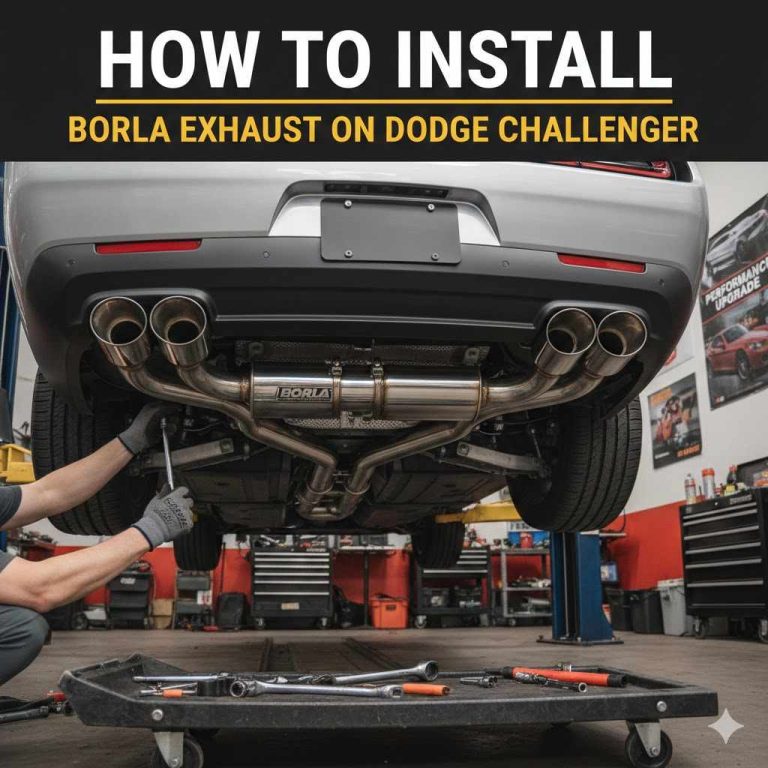
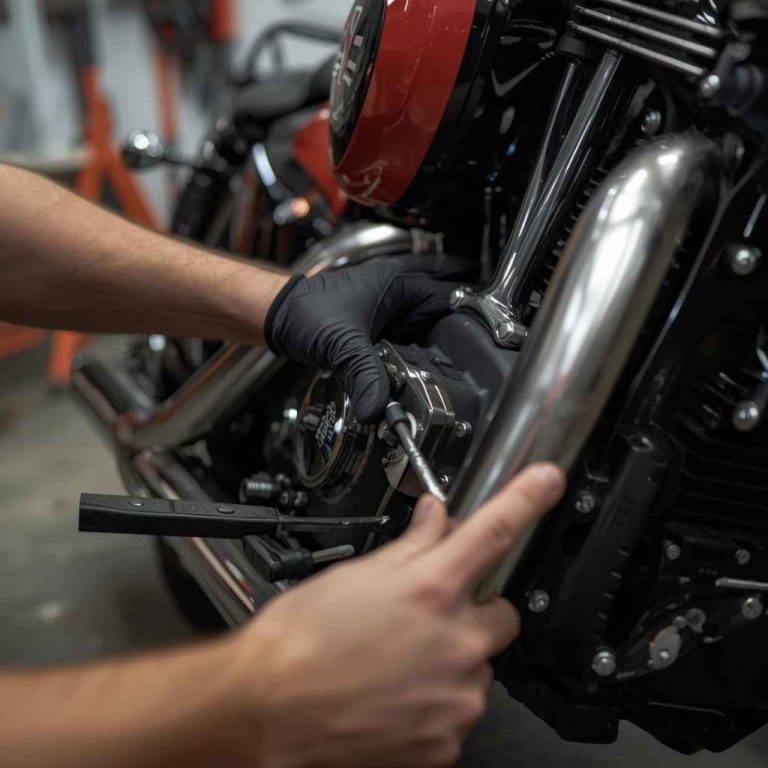
Installing a cat-back exhaust system is often considered a moderate DIY project, but it requires care, the right tools, and ideally, a helper. For a Remus exhaust on a 335i M Sport, the process generally follows these steps:
Tools You’ll Likely Need
- Safety glasses and gloves
- Jack and jack stands – Crucially important for safety! Never work under a car supported only by a jack. Refer to resources like NHTSA’s guidelines on vehicle support for best practices.
- Socket wrench set (metric sizes, typically 13mm, 15mm, 17mm)
- Extension bars for your socket wrench
- Torque wrench (for tightening bolts to spec)
- Penetrating oil (like WD-40) for rusted bolts
- Exhaust hanger removers (or a pry bar/pliers)
- New exhaust hangers (sometimes the old ones can be reused, but new ones are recommended)
- Wire brush (to clean flanges)
- Optional: Exhaust sealant or paste
Step-by-Step Installation (General Guide)
- Secure the Vehicle: Park on a flat, level surface. Engage the parking brake firmly.
- Lift the Car: Use your jack to lift the rear of the vehicle and place robust jack stands securely under the frame or designated lift points. Gently lower the car onto the stands. Ensure the car is extremely stable before proceeding.
- Locate Existing Exhaust: Identify the sections of your current exhaust system that the new Remus cat-back will replace. This is typically from the muffler(s) back.
- Apply Penetrating Oil: Spray the bolts and nuts holding the exhaust sections together, as well as the rubber exhaust hangers, with penetrating oil. Let it soak for a few minutes.
- Support the Old Exhaust: Before unbolting, place a jack stand or block of wood underneath the section of the exhaust you are about to unbolt to support its weight.
- Unbolt the Old Exhaust: Loosen and remove the bolts connecting the mid-pipe to the rear muffler section, or wherever your Remus system begins.
- Remove Exhaust Hangers: Carefully detach the old exhaust system from the rubber hangers. You may need to spray the hangers with lubricant or use an exhaust hanger removal tool.
- Gently Lower Old Exhaust: Once completely unbolted and detached from hangers, carefully remove the old exhaust system from under the car.
- Prepare New Exhaust: Get your new Remus cat-back exhaust ready. Inspect it for any damage from shipping.
- Install New Hangers: If necessary, install new rubber exhaust hangers in the designated spots under your car.
- Mount New Exhaust: Position the new Remus exhaust system under the car, aligning it with the hangers.
- Connect Sections: Use the provided hardware to loosely bolt the new Remus system together and connect it to any existing parts (like the mid-pipe or catalytic converter flange).
- Hang the Exhaust: Connect the new exhaust to the rubber hangers.
- Align and Tighten: Once everything is in position and hanging correctly, tighten all bolts and nuts. Refer to Remus documentation for specific torque specifications. Ensure the exhaust tips are centered in the M Sport bumper cutouts and have adequate clearance all around.
- Final Check: Double-check all bolts are tight and that the exhaust system is securely mounted. Ensure no part of the exhaust is touching the chassis or driveshaft inappropriately. Lower the car safely.
- Start Up: Start the engine and listen for leaks. A small amount of exhaust paste can help seal minor gaps if present.
Important Safety Note: Working on exhaust systems can sometimes involve dealing with rusty bolts and confined spaces. If you are uncomfortable at any point, or if your car is heavily rusted, it’s always best to have a professional mechanic handle the installation. Many performance shops specialize in exhaust installations and can ensure it’s done correctly and safely.
Benefits of a Remus Exhaust on Your 335i M Sport
Upgrading to a Remus exhaust isn’t just about the sound; it offers several advantages:
- Enhanced Sound: This is usually the primary motivator. Remus systems are tuned to provide a more aggressive, sporty tone without typically being overly raspy or droney (especially at cruising speeds).
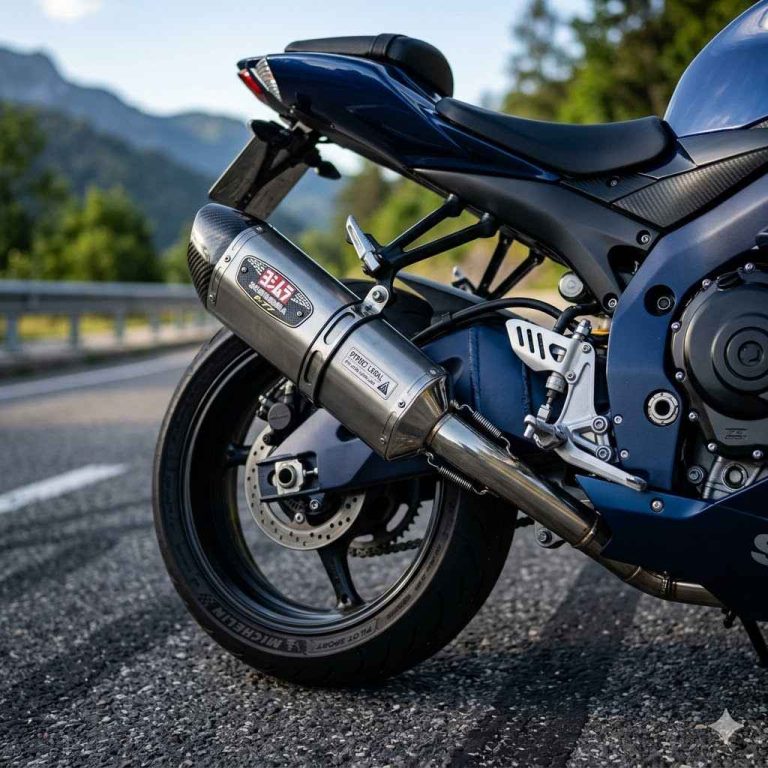
- Improved Aesthetics: Remus systems often come with polished stainless steel tips in various styles that enhance the rear-end appearance, complementing the M Sport’s aggressive styling.
- Potential Performance Gains: While a cat-back system alone might offer modest gains, a less restrictive exhaust can help the engine breathe more freely, potentially leading to slight improvements in horsepower and torque, especially when combined with other modifications. You can read more about exhaust flow and its impact on performance on resources like SAE International, which sets engineering standards for vehicle components.
- Weight Reduction: Performance exhaust systems are often made from lighter materials like TIG-welded stainless steel, which can be lighter than the stock system.
- Durability: Remus uses high-quality stainless steel, ensuring longevity and resistance to corrosion.
Potential Downsides and Things to Consider
While Remus exhausts are excellent, it’s wise to be aware of potential considerations:
- Cost: Quality performance exhaust systems represent an investment. Remus systems are premium products, and their cost reflects this.
- Drone: Some performance exhausts can introduce an annoying “drone” at certain RPMs, particularly during highway cruising. Remus generally does a good job minimizing this, but it’s a common characteristic of aftermarket systems. Reading reviews specific to your model can help gauge this.
- Installation Complexity: As covered above, while doable, it requires tools and mechanical aptitude.
- Emissions and Legality: Cat-back systems typically do not affect emissions control systems. However, in some regions, exhaust noise regulations can be strict. Always check local laws regarding exhaust loudness. For downpipes or catalytic converter replacements, this becomes a much bigger legal concern.
Frequently Asked Questions (FAQ)
Q1: Will a Remus exhaust for a regular 335i fit my M Sport model?
A: Very often, yes. Manufacturers like Remus usually design their exhausts to be compatible with M Sport packages, especially the rear bumper and diffuser clearance. However, always verify the product listing specifically mentions M Sport compatibility or provides dimensions that confirm fitment.
Q2: How difficult is it to install a Remus cat-back exhaust on a 335i M Sport?
A: While it requires some mechanical skill and tools, a cat-back exhaust installation is often considered a moderate DIY project. If you’re comfortable working under your car and have the necessary tools, it’s achievable. If not, a professional installation is recommended for safety and proper fit.
Q3: What kind of sound can I expect from a Remus exhaust on my 335i M Sport?
A: Remus systems are known for a sporty, aggressive tone that is deeper and more pronounced than the stock exhaust. They aim for a balance of sound without excessive drone at cruising speeds. The exact sound will vary slightly based on whether you have an N54 or N55 engine and the specific Remus system.
Q4: Can I install a Remus exhaust myself if I don’t have a lift?
A: Yes, you can. You’ll need a good quality jack and safely rated jack stands to raise the rear of the car high enough to work underneath it. Safety is paramount, so ensure the car is securely supported on jack stands before getting underneath.